




Three Facilities Earn the Energy Star Combined Heat and Power Award
WASHINGTON – The EPA has recognized three Energy Star Combined Heat and Power (CHP) Awards winners for using CHP to reduce their energy use by more than 18 percent.
WASHINGTON– The EPA has recognized three Energy Star Combined Heat and Power (CHP) Awards winners for using CHP to reduce their energy use by more than 18 percent. CHP, also referred to as cogeneration, generates power and thermal energy from a single fuel source.
Awardees included:
CalpineColumbiaEnergyCenter (Gaston, South Carolina): Its combustion turbine-based CHP system produces up to 500 MW of electricity and 1 million lbs. of steam per hour. The local utility grid receives all of the generated electricity while an adjacent manufacturing plant productively utilizes the steam. This CHP system requires 30 percent less fuel than typical alternatives.
University of New Mexico CHP Project (Albuquerque, New Mexico): Its natural gas-fired CHP system is located at the Ford Utilities Center. Part of a major energy infrastructure upgrade project, the CHP system supplies the campus with roughly one-third of its total electricity demand and produces steam to help meet the space heating, space cooling, and domestic hot water production needs of more than 25,000 students, staff, and faculty. With an operating efficiency of almost 65 percent, the CHP system requires 20 percent less fuel than typical alternatives.
VerizonGarden City Fuel Cell Project (Garden City, New York): Its fuel cell CHP system, located at a Verizon call routing center, is the largest U.S. commercial fuel cell installation of its kind. Hot water that would otherwise be wasted is recovered and used for the space cooling and heating of an office building that serves more than 35,000 telecommunication customers. With an operating efficiency of almost 60 percent, the CHP system requires 25 percent less fuel than typical alternatives.
Since 1999, EPA has given the Energy Star CHP Award to recognize organizations and institutions that install exceptionally efficient CHP systems. EPA's CHP partnership seeks to reduce the environmental impact of power generation. EPA works closely with energy users, the CHP industry, state and local governments, and other stakeholders to support the development of new projects that have significant energy, environmental, and economic benefits. The program plays a vital role in efforts to achieve a collaborative, public-private goal of doubling the capacity of CHP in the United States to 92 gigawatts (GW) by 2010.
Information about CHP, the Energy Star CHP Award and the EPA CHP Partnership is available at www.epa.gov/chp.
More Green Fleet
The EV Breakdown Nobody's Talking About: Why Most Electric Vehicle Roadside Calls Aren't Mechanical Failures
Here's why EV breakdowns are widely misunderstood.
Read More →
ChargePoint Now Available in Energy Pass
ChargePoint and additional planned charging network integrations were added to GM's Energy Pass.
Read More →

First Look: Slate Auto's Electric Fleet Pickup
Could an affordable, modular EV pickup make electrification more practical for fleets?
Read More →
Slate Debuts Colorful, Unique EV Models
A recent media and client event, studded with electric vehicles dressed up on platforms, planted a new position for the manufacturer in the wider EV market. Fleets will find cost-saving advantages.
Read More →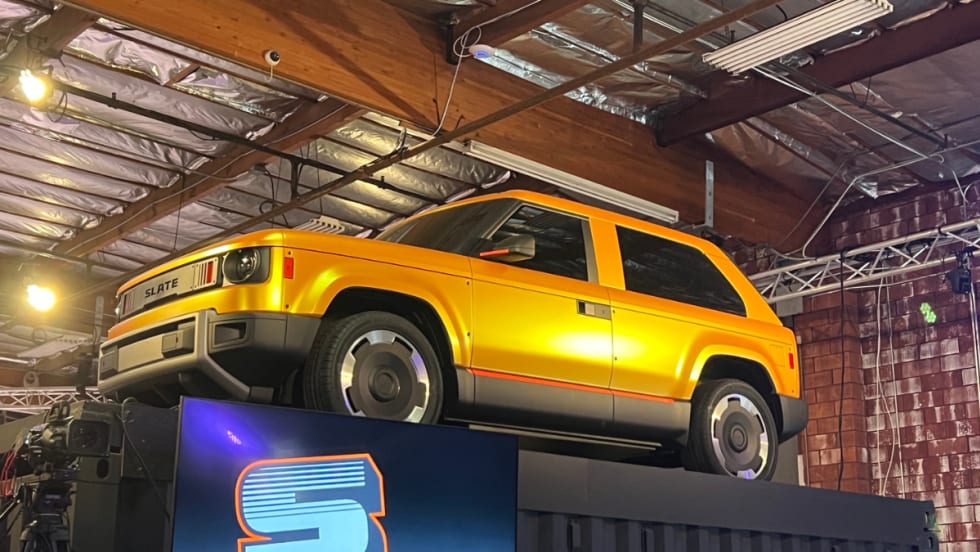
Slate Electric SUV, Pickup Switchable Model Aims For Light-Duty Fleets
Everything about this EV is counterintuitive and understated, making it stand out from the crowd.
Read More →
Inspiration Mobility Acquires Key Electrada Assets
Inspiration Mobility Group has acquired select assets of Electrada, adding the fleet electrification provider's team, technology, and charging infrastructure development capabilities to its energy management business.
Read More →
Turning Connected Vehicle Data Into Decisions That Matter
Fleet leaders have more data than ever, but turning that data into clear, actionable decisions remains a challenge. This white paper shows how leading organizations are using connected vehicle data to improve safety, reduce costs, and optimize fleet performance. Learn how to turn insight into action across your fleet.
Read More →
Are You Tracking Your Fleet's True Total Cost of Ownership?
Bobit Business Media surveyed 190 fleet professionals and found that while most fleets are tracking costs, fragmented systems and data gaps are keeping true TCO visibility out of reach. With rising pressure to control spend in an increasingly volatile environment, the gap between what fleets think they know and what the data actually shows is wider than you might expect. See how your peers are managing costs today and where the industry still has room to improve.
Read More →
Hybrids: Electrification Without the Challenges
For fleet managers, fuel is one of the biggest line items in the budget — and it's one hybrids can shrink without changing how your people work. Download the eBook to see the numbers, understand the technology, and get a step-by-step guide to making the switch.
Read More →