




Thanksgiving Road Deaths Expected to Rise
The National Safety Council estimates that 421 people could lose their lives in car crashes during the upcoming holiday weekend — a 7% jump over the average.
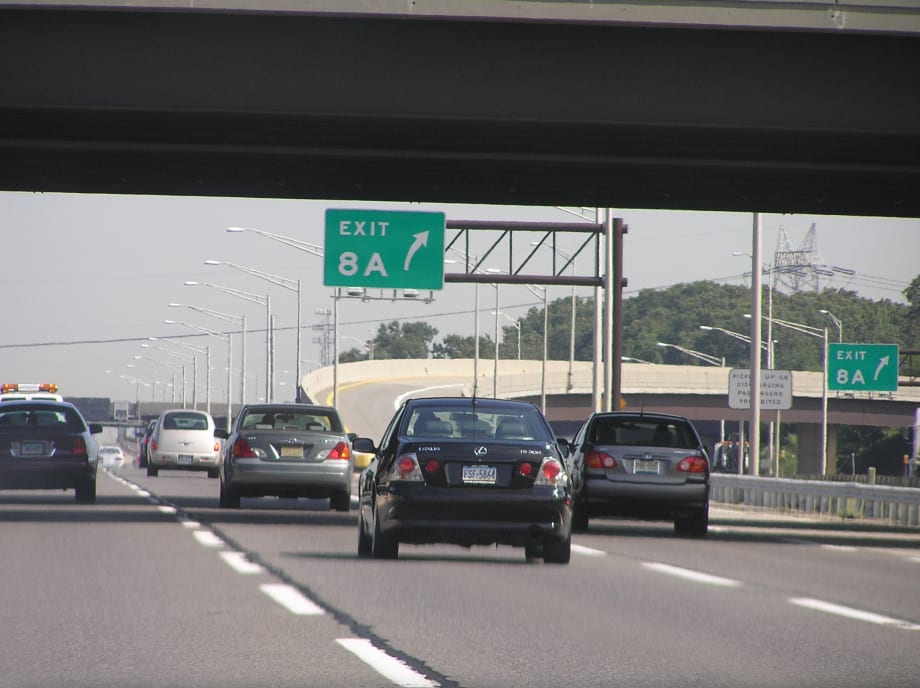
Photo by Mlaurenti/Wikipedia.
Photo by Mlaurenti/Wikipedia.
An analysis from the National Safety Council concludes that an estimated 421 people could be killed and another 48,500 seriously injured in car crashes during the upcoming Thanksgiving holiday period.
The estimate is 7% higher than the average number of deaths — 393 — for that weekend, the National Safety Council (NSC) said. The Thanksgiving Day holiday begins at 6 p.m. Wednesday, Nov. 22, and ends at 11:59 p.m. Sunday, Nov. 26.
Historical trends show that on average, more than one-third of Thanksgiving Day holiday period fatalities involve alcohol-impaired drivers. Since the Wednesday before Thanksgiving is known for its high volume of both travel and alcohol consumption, the council is warning drivers to be particularly vigilant at the start of the holiday period.
"While many of us are putting together grocery lists and travel plans for Thanksgiving, we can't forget that long holiday weekends are particularly deadly on the roads,” said NSC President and CEO Deborah A.P. Hersman. “If you plan to celebrate, make smart decisions and commit to having a driver that is not impaired by alcohol or drugs behind the wheel. This Thanksgiving, let’s ensure everyone in every family arrives home safely.”
With preventable deaths at an all-time high, NSC has called for states to take actions to reduce safety risks —particularly on the roads. The NSC State of Safety report encourages states to institute state sobriety checkpoints, require ignition interlocks for first-time and repeat offenders, ban open containers, and automatically revoke licenses for more than 90 days for drivers with BAC levels above .08 or those who refuse to test.
Alcohol impairment, of course, isn’t the only safety threat to drivers. Distracted driving is rampant — even in parking lots, which will be jammed with Black Friday shoppers. A National Safety Council poll conducted last year found two-thirds of drivers — 66% — would make phone calls while driving through a parking lot and 56% would text.
The council offers these safety tips for drivers:
Remember, drugged driving is impaired driving. Visit StopEverydayKillers.orgto learn about the scope of the prescription opioid crisis.
Buckle up on every trip in every seating position.
Make sure children are properly restrained in the appropriate seats for their height, weight and age.
Get plenty of sleep and take regular breaks to avoid fatigue.
If you're the parent of a teen driver, download the New Driver Deal at DriveitHOME.org.
Learn about your vehicle's safety systems and how to use them at MyCarDoesWhat.org.
Check your vehicle for recalls at ChecktoProtect.org.
Supplemental traffic fatality estimates information can be found here.
More Safety

Nexar-Nauto Merger Aims to Give Fleets Better Safety Intelligence Through Larger Driving Dataset
Stefan Heck tells Automotive Fleet that combining more than 10 billion miles of driving history with Nexar's AI models will give fleets deeper insights into driver risk and roadway conditions than either company could provide independently.
Read More →
Don't Wait for a Crisis: 5 Ways to Build Mental Health Into Your Fleet Safety Program
For Suicide Prevention Month, fleet and safety leaders have an opportunity to put mental health where it belongs: at the center of workplace safety.
Read More →
How Camera Data Can Strengthen a Fleet’s Insurance Renewal
Insights from a commercial insurance carrier and a broker show how fleets can turn video telematic data, driver coaching, and improved claims results into a stronger case at insurance renewal.
Read More →
The Safest Fleets Aren’t the Ones with the Most Technology
You’ve made the telematics investment. Here’s how to capture the other half of its value and build the safest fleet on the road.
Read More →
Hidden in Plain Sight: Fleet Compliance Risks
Fleet compliance isn't just about having policies — it's about consistently enforcing them. This practical guide reveals six hidden compliance risks common in public sector and shared fleet operations and outlines proven strategies to improve visibility, accountability, and audit readiness
Read More →
NETS Sets 2026 Fleet Safety Benchmark Conference for Indianapolis
The Sept. 15–17 program will feature fleet benchmarking data, case studies, emerging technologies, and implementation strategies while running alongside the NSC Safety Congress & Expo.
Read More →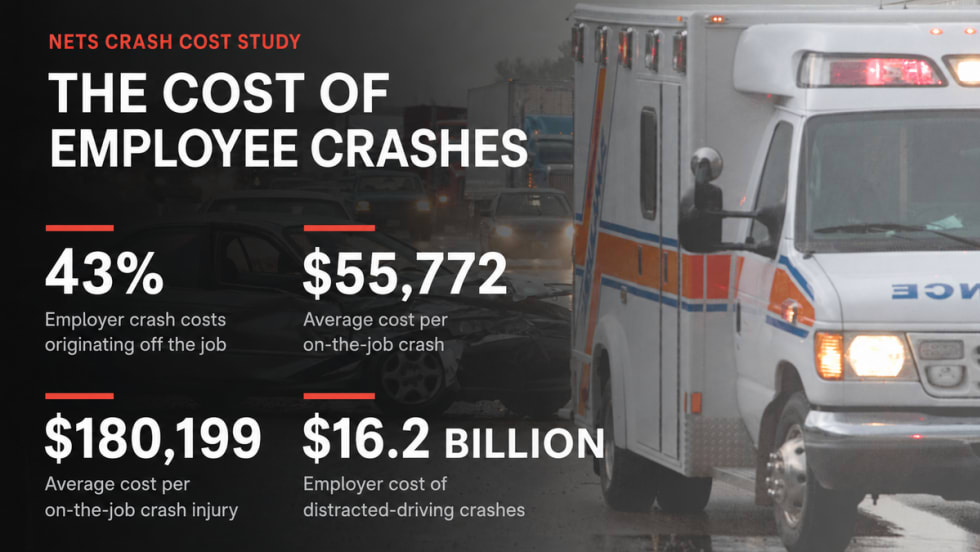
Off-the-Job Crashes Account for 43% of Employers’ $61.7 Billion Crash Burden
NETS quantifies costs dispersed across fleet, risk, HR, and other departments while providing new per-crash benchmarks for employers.
Read More →
Ram Recalls More Than 1.27 Million 1500 Pickups for Seat Belt Anchor Issue
The recall affects certain 2019-2026 Ram 1500 pickups that may have improperly attached second-row seat belt buckle anchors.
Read More →
How Better Visibility Cut Speeding Violations by 48%
Fleet leaders don't need more data, they need clearer visibility into what the data is saying. This case study explores how one utility replaced speeding-event counts with a single metric — miles driven in violation — to strengthen safety and significantly reduce speeding violations.
Read More →
Operation Safe Driver Week: Why the Industry's Oldest Safety Campaign Still Matters to Fleets
A look at how a 2007 enforcement initiative became one of the most consequential weeks on the fleet safety calendar, and what it means for your drivers in 2026.
Read More →