




Tests of Plug-In Hybrids Register Mixed Results
Plug-in hybrid Toyota Prius tests by city of Seattle and Idaho National Laboratory show an average of only 51 mpg.
Although city officials in Seattle say they are happy with the more than a dozen Toyota Prius hybrids in its fleet with new plug-in technology, the vehicles are coming nowhere near the claims that they would get 100 mpg using battery packs installed in the trunk, according to Wired.com. The test hybrids have been equipped with the Hymotion aftermarket plug-in conversion system from A123 Systems.
Although the plug-in Prius hybrids have used less gas and emitted less CO2 than their conventional counterparts, the vehicles are averaging just 51 mpg. Seattle has totaled more than 17,000 miles testing 14 plug-in hybrids in the past year.
Although careful drivers have achieved 100 mpg in plug-in hybrids, the Seattle fleet test and others suggest that "real world" may be far smaller. The results may point to the many non-technological factors that come into play in wringing better fuel efficiency from plug-in hybrid cars, such as driver behavior.
Seattle decided to try the technology in March 2008 after the U.S. Department of Energy agreed to subsidize the program. The city maintains a fleet of 300 conventional Prius hybrids and converted 14 of them to plug-ins.
General Motors and Toyota are among the automakers promising to have plug-ins on the road as early as next year. The results of these early fleet tests suggest EV advocates and automakers will have to tell people how to drive the cars most efficiently because they may not catch on if consumers don't see the fuel efficiency they're promised.
Idaho National Laboratory is seeing similar results with the 104 plug-in hybrid vehicles it is monitoring in 22 states. The cars have logged more than 300,000 miles in the past year and returned an average of 46 to 51 mpg.
EV advocates say the drivers aren't being told how to maximize fuel efficiency, and they don't care because they aren't paying for the gas. To get the most from plug-in hybrids, they say, use a light touch on the accelerator, lower your speed, and plug it in at every opportunity to keep the batteries fully charged.
Keeping the cars charged is also key. If the battery runs down, the gas engine must work harder-the battery becomes dead weight-and that cuts efficiency. Seattle officials discovered the plug-ins were being driven with dead batteries nearly one-third of the time. The cars with fully charged batteries got 50 percent better fuel economy than those with dead ones.
Plug-in advocates say Seattle's fleet results are no reason to pull the plug on the cars. The technology works, they say, and it will deliver on fuel economy, but only if people are instructed on how to get the most out of the cars.
More Green Fleet
The EV Breakdown Nobody's Talking About: Why Most Electric Vehicle Roadside Calls Aren't Mechanical Failures
Here's why EV breakdowns are widely misunderstood.
Read More →
ChargePoint Now Available in Energy Pass
ChargePoint and additional planned charging network integrations were added to GM's Energy Pass.
Read More →

First Look: Slate Auto's Electric Fleet Pickup
Could an affordable, modular EV pickup make electrification more practical for fleets?
Read More →
Slate Debuts Colorful, Unique EV Models
A recent media and client event, studded with electric vehicles dressed up on platforms, planted a new position for the manufacturer in the wider EV market. Fleets will find cost-saving advantages.
Read More →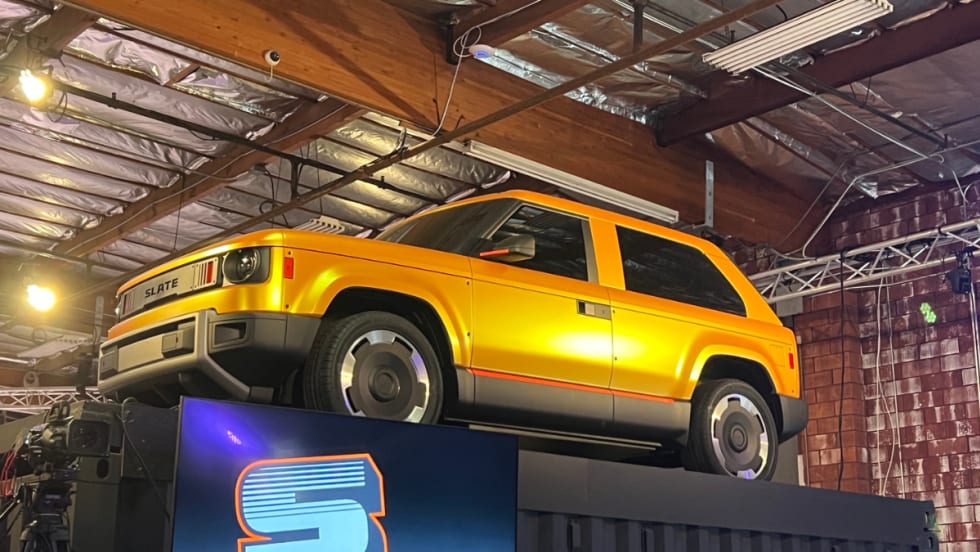
Slate Electric SUV, Pickup Switchable Model Aims For Light-Duty Fleets
Everything about this EV is counterintuitive and understated, making it stand out from the crowd.
Read More →
Inspiration Mobility Acquires Key Electrada Assets
Inspiration Mobility Group has acquired select assets of Electrada, adding the fleet electrification provider's team, technology, and charging infrastructure development capabilities to its energy management business.
Read More →
Turning Connected Vehicle Data Into Decisions That Matter
Fleet leaders have more data than ever, but turning that data into clear, actionable decisions remains a challenge. This white paper shows how leading organizations are using connected vehicle data to improve safety, reduce costs, and optimize fleet performance. Learn how to turn insight into action across your fleet.
Read More →
Are You Tracking Your Fleet's True Total Cost of Ownership?
Bobit Business Media surveyed 190 fleet professionals and found that while most fleets are tracking costs, fragmented systems and data gaps are keeping true TCO visibility out of reach. With rising pressure to control spend in an increasingly volatile environment, the gap between what fleets think they know and what the data actually shows is wider than you might expect. See how your peers are managing costs today and where the industry still has room to improve.
Read More →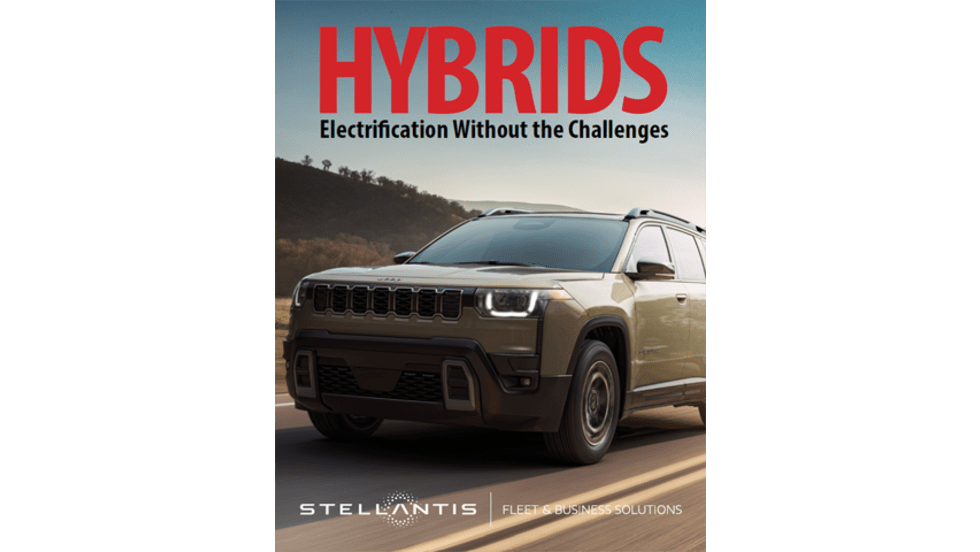
Hybrids: Electrification Without the Challenges
For fleet managers, fuel is one of the biggest line items in the budget — and it's one hybrids can shrink without changing how your people work. Download the eBook to see the numbers, understand the technology, and get a step-by-step guide to making the switch.
Read More →