




Tesla Recalls 345 Roadsters
SAN CARLOS, CA --- Tesla Motors has launched a safety recall covering all 345 Tesla Roadsters manufactured before April 22, 2009.
SAN CARLOS, CA --- Tesla Motors has launched a safety recall covering all 345 Tesla Roadsters manufactured before April 22, 2009.
Tesla said it decided to inspect the rear inner hub flange bolts on several Roadsters after one owner reported uncharacteristic handling. After a root-cause analysis, Tesla determined that the rear inner hub flange bolts on a small percentage of Roadster vehicles were improperly torqued during assembly by Lotus, the contract manufacturer of the Roadster chassis. Lotus is conducting a similar recall on some Lotus Elise and Exige vehicles.
No accidents have been reported as a result of this manufacturing issue, which is unrelated to the Roadster's all-electric powertrain.
Tesla will make house calls to service cars at owners' homes or offices or to pick up the car and take it to a repair facility, if necessary. Service will be performed at no cost to the customer and will include a complimentary full-vehicle inspection and software upgrade.
"We plan to do everything we can to address this matter swiftly and keep customers satisfied," said Greg Zanghi, Tesla's director of service and parts operations.
Tesla Motors designs and sells high-performance electric cars. Last month, Daimler AG acquired an equity stake of nearly 10 percent of Tesla Motors. The two companies have been working closely to integrate Tesla's lithium-ion battery packs and electronics into the first 1,000 units of Daimler's electric smart car.
More Safety
How 5-Second Telematics Data Is Changing Fleet Safety
This episode connects with Steve Santostasi of Ford Pro and covers how a few seconds of data can make a difference in fleet safety.
Read More →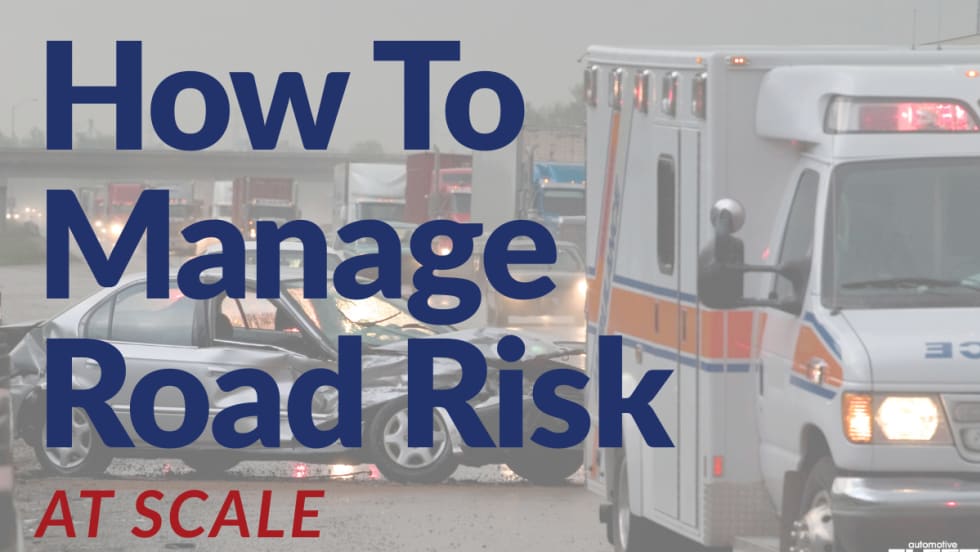
Managing Road Risk at Scale: Why Fleet Safety Needs a Data-Driven Framework
Insights from the FIA Road and Driver Safety Indexes reveal how to manage road risk on a larger scale.
Read More →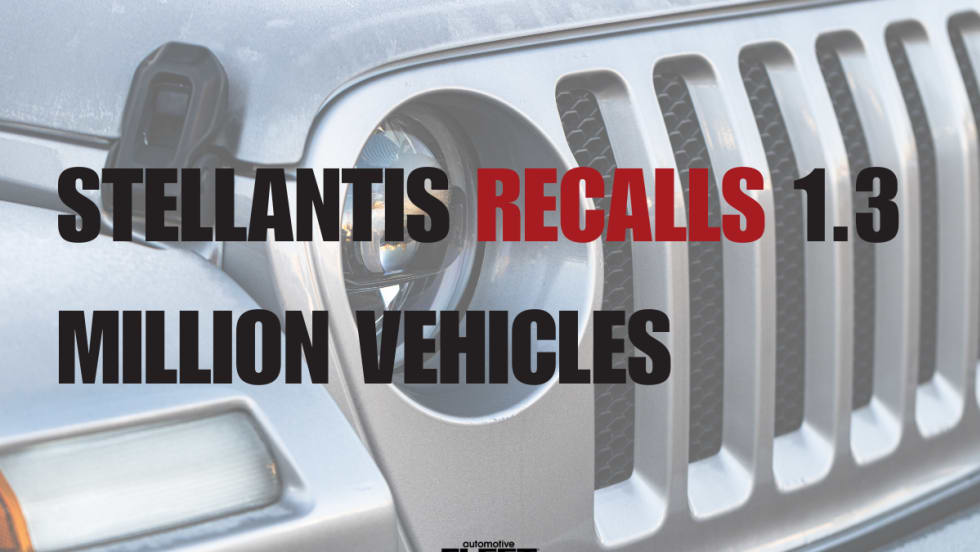
Stellantis Recalls 1.3 Million Jeep Vehicles Worldwide Over Fire Risk
Stellantis is recalling more than 1.3 million Jeep Wrangler and Gladiator models worldwide over a fire risk linked to power steering pump wiring.
Read More →

Coaching Is Not Training, Even When AI Is Doing It
AI-powered safety platforms can detect risky behaviors and deliver immediate feedback. But effective driver development still requires a foundation of training followed by coaching that reinforces those skills.
Read More →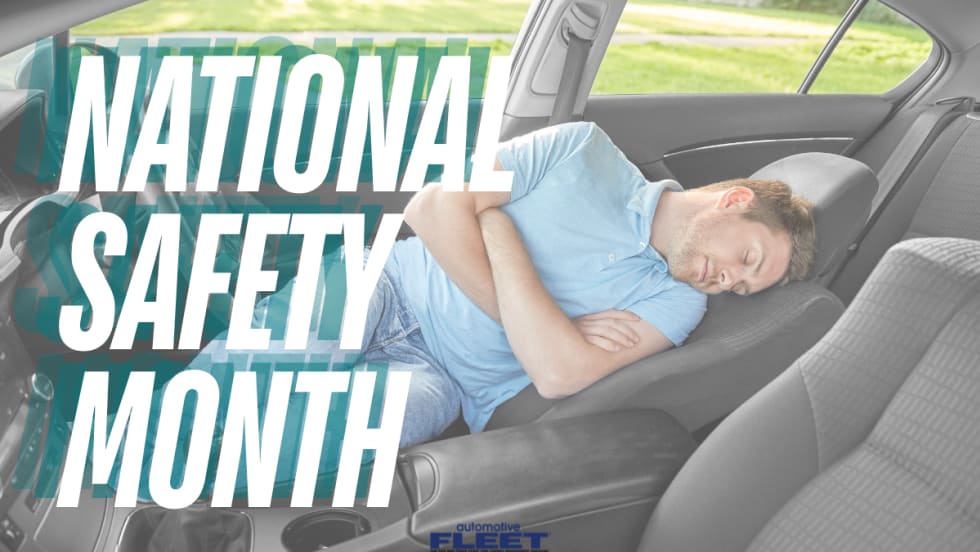
How Emotions Behind the Wheel Can Affect Fleet Safety
During National Safety Month, fleets are encouraged to look beyond distracted driving and recognize how stress, fatigue, and emotional well-being influence driver performance and crash risk.
Read More →
Nominations Open for 2026 Fleet Safety Award
Nominations have officially opened for the 2026 Fleet Safety Award Winner.
Read More →
Turning Connected Vehicle Data Into Decisions That Matter
Fleet leaders have more data than ever, but turning that data into clear, actionable decisions remains a challenge. This white paper shows how leading organizations are using connected vehicle data to improve safety, reduce costs, and optimize fleet performance. Learn how to turn insight into action across your fleet.
Read More →
Cameras, Safety and Insurance: From Reactive Claims to Real-time Prevention
Commercial auto remains one of the most challenging and costly lines of coverage for fleet operators and insurers alike. Learn more about how to effectively address these issues from Onur Aksan, Enterprise Business Development Executive, Geotab.
Read More →
NAFA Fleet Safety Symposium to Collocate With 2026 Fleet Forward Conference
The daylong certificate program will precede the Fleet Forward Conference at the Gaylord National Harbor in Maryland.
Read More →
The Distractions You Can’t Turn Off: What Drivers Face Outside the Vehicle
Fleet drivers face constant visual, cognitive, and environmental interruptions the moment they hit the road. From roadside chaos to mental fatigue and digital overload, today’s biggest driving risks often come from outside the vehicle itself.
Read More →