




Tennessee’s Poole Re-elected Chairman of GHSA
Under his leadership, the association sets priorities and revises drugged-driving policy.
Kendell Poole, director of the Tennessee Governor’s Highway Safety Office, was recently re-elected chairman of the Governors Highway Safety Association (GHSA).
Under Poole’s leadership, GHSA will continue to focus on assisting state implementation of highway safety programs authorized under MAP-21 (Moving Ahead for Progress in the 21st Century), the federal highway bill that provides resources to states to keep America’s roadways safe.
In addition, Poole will continue to provide national leadership on key highway safety issues, including drunk and drugged driving, occupant protection, distracted driving and speeding.
During GHSA’s annual meeting in California in August, the group’s leadership team noted that although MAP-21 provides many tools for states, just a small number of states qualified for some of the federal incentive grants during the first year (FY 2013) of the current two-year federal transportation funding program. Only two states qualified for the ignition interlock grant, just seven states and Guam qualified for the distracted driving funding, and no states qualified for the teen driving incentive grant.
Chairman Poole noted GHSA remains committed to addressing the “Big 3” highway safety issues: impaired driving, occupant protection and speeding.
“States are working diligently to continue the gains in these areas by leveraging proven countermeasures such as the national Click It or Ticket seat belt mobilization and Drive Sober or Get Pulled Over drunk driving crackdowns,” said Poole.
Recognizing the toll drugged driving is taking on the nation’s roadways, states are also taking steps to get these offenders off the road.
At the annual meeting, GHSA members revised the association’s drugged-driving policy, recommending that states consider enacting or expanding existing administrative license revocation (ALR) laws to include drug-impaired drivers who fail or refuse a drug test.
“One in three drivers with known drug test results who were killed in a motor vehicle crash in 2009 tested positive for drugs,” said Poole. “That’s not just illicit substances, but also over-the-counter and prescription medications. While states are educating the public about the dangers of drugged driving and funding stepped-up enforcement, strong policy is essential to send a message that driving under the influence of drugs simply will not be tolerated.”
GHSA also continues to work on the issues of motorcycle safety and teen driving. During the past 18 months, the association has released a series of reports discussing the uptick in fatalities involving these high-risk populations and measures to address them.
GHSA said it supports a comprehensive strategy of laws, training, licensing and education to address motorcycle safety, as well as strong graduated driver licensing laws coupled with research-based parent education programs to help teens survive their most dangerous driving years.
More Safety

Nexar-Nauto Merger Aims to Give Fleets Better Safety Intelligence Through Larger Driving Dataset
Stefan Heck tells Automotive Fleet that combining more than 10 billion miles of driving history with Nexar's AI models will give fleets deeper insights into driver risk and roadway conditions than either company could provide independently.
Read More →
Don't Wait for a Crisis: 5 Ways to Build Mental Health Into Your Fleet Safety Program
For Suicide Prevention Month, fleet and safety leaders have an opportunity to put mental health where it belongs: at the center of workplace safety.
Read More →
How Camera Data Can Strengthen a Fleet’s Insurance Renewal
Insights from a commercial insurance carrier and a broker show how fleets can turn video telematic data, driver coaching, and improved claims results into a stronger case at insurance renewal.
Read More →
The Safest Fleets Aren’t the Ones with the Most Technology
You’ve made the telematics investment. Here’s how to capture the other half of its value and build the safest fleet on the road.
Read More →
Hidden in Plain Sight: Fleet Compliance Risks
Fleet compliance isn't just about having policies — it's about consistently enforcing them. This practical guide reveals six hidden compliance risks common in public sector and shared fleet operations and outlines proven strategies to improve visibility, accountability, and audit readiness
Read More →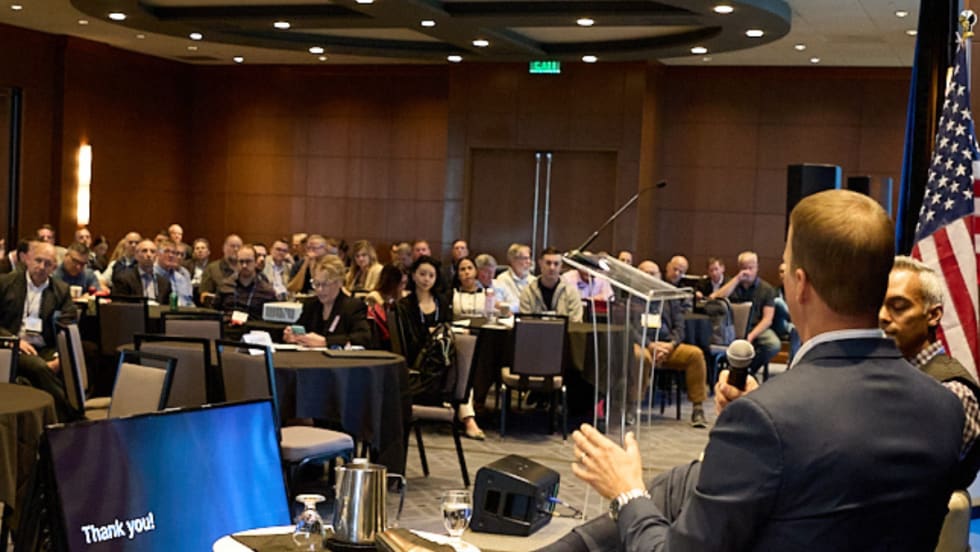
NETS Sets 2026 Fleet Safety Benchmark Conference for Indianapolis
The Sept. 15–17 program will feature fleet benchmarking data, case studies, emerging technologies, and implementation strategies while running alongside the NSC Safety Congress & Expo.
Read More →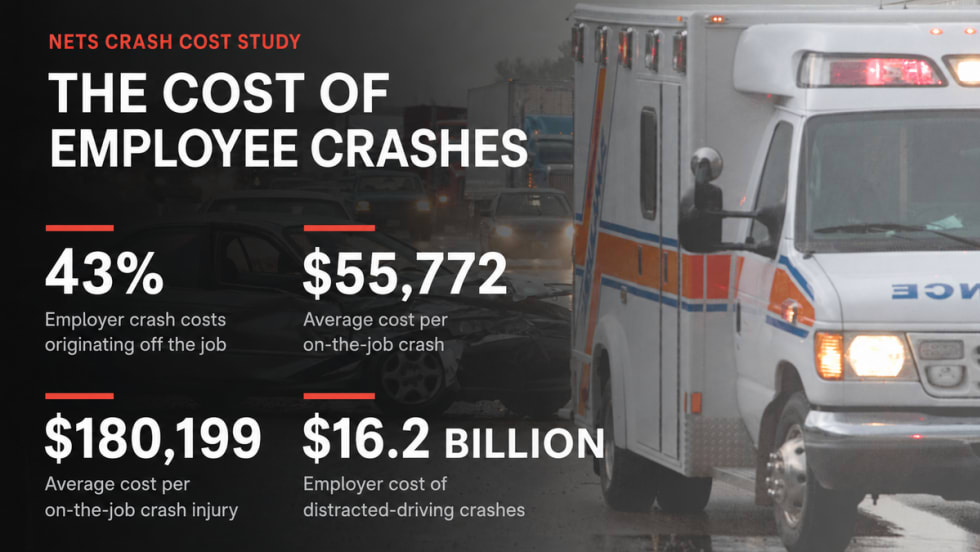
Off-the-Job Crashes Account for 43% of Employers’ $61.7 Billion Crash Burden
NETS quantifies costs dispersed across fleet, risk, HR, and other departments while providing new per-crash benchmarks for employers.
Read More →
Ram Recalls More Than 1.27 Million 1500 Pickups for Seat Belt Anchor Issue
The recall affects certain 2019-2026 Ram 1500 pickups that may have improperly attached second-row seat belt buckle anchors.
Read More →
How Better Visibility Cut Speeding Violations by 48%
Fleet leaders don't need more data, they need clearer visibility into what the data is saying. This case study explores how one utility replaced speeding-event counts with a single metric — miles driven in violation — to strengthen safety and significantly reduce speeding violations.
Read More →
Operation Safe Driver Week: Why the Industry's Oldest Safety Campaign Still Matters to Fleets
A look at how a 2007 enforcement initiative became one of the most consequential weeks on the fleet safety calendar, and what it means for your drivers in 2026.
Read More →