




Target Purchases a Fleet of Segway PTs
MINNEAPOLIS - Segway Inc. announced that Target has purchased a fleet of Segway Personal Transporters (PTs) making Target one of Segway's largest customers.
MINNEAPOLIS - Segway Inc. announced that Target has purchased a fleet of Segway Personal Transporters (PTs) making Target one of Segway's largest customers.
The units will be used for security patrols at more than 150 Target and SuperTarget stores throughout the U.S. Minneapolis-based B2B Segway, a Segway Authorized Dealer specializing in commercial applications, secured the Target contract and executed the deployment of the units to the Target stores.
Tripp Welborne, director of operations, Assets Protection, Target, said, "The Segway PT is an innovative addition to our multi-layered mobile security strategy that employs technology to ensure the safeness of our guests and team members."
"We are honored to have Target as our customer," said Jim Norrod, CEO of Segway Inc. "Target has achieved success by focusing on great guest service and this purchase of a large Segway PT fleet is an extension of that."
Target Assets Protection team members will use the Segway PTs to patrol the parking lots and surrounding environments of Target stores in markets such as Chicago, Miami, Dallas, Los Angeles and Seattle. In preparation for the launch of the program, Target developed a comprehensive Segway PT training program that security personnel completed before the units were deployed at their stores.
Worldwide more than 600 police and security organizations use Segway PTs to patrol urban business centers, airports, university and corporate campuses, parks and shopping malls. The Segway PT has several operating characteristics that make it ideally suited to these tasks:
Officers stand eight inches taller on a Segway PT making it easier forthem to see and be seen over crowds and parked cars.
Segway PTs are self-balancing even when standing still, and can turn in place. This enables officers to easily move among parked cars and shoppers.
The units are battery powered, use no gasoline and give off no emissions during operation. Thus, they can be used both indoors and out.
More Green Fleet
EV Charging Use Is Outpacing Infrastructure Growth
ChargePoint’s 2026 Charging Forward Report points to rising charger use, higher-powered charging, commercial vehicle electrification, and energy-management technology. Here’s what fleets should know.
Read More →
Merchants Fleet Reports 290M EV Miles as Fleets Navigate Changing Electrification Market
From millions in operating savings to hundreds of millions of EV miles, Merchants Fleet’s latest report reveals what’s working and what’s changing in fleet electrification.
Read More →
The EV Breakdown Nobody's Talking About: Why Most Electric Vehicle Roadside Calls Aren't Mechanical Failures
Here's why EV breakdowns are widely misunderstood.
Read More →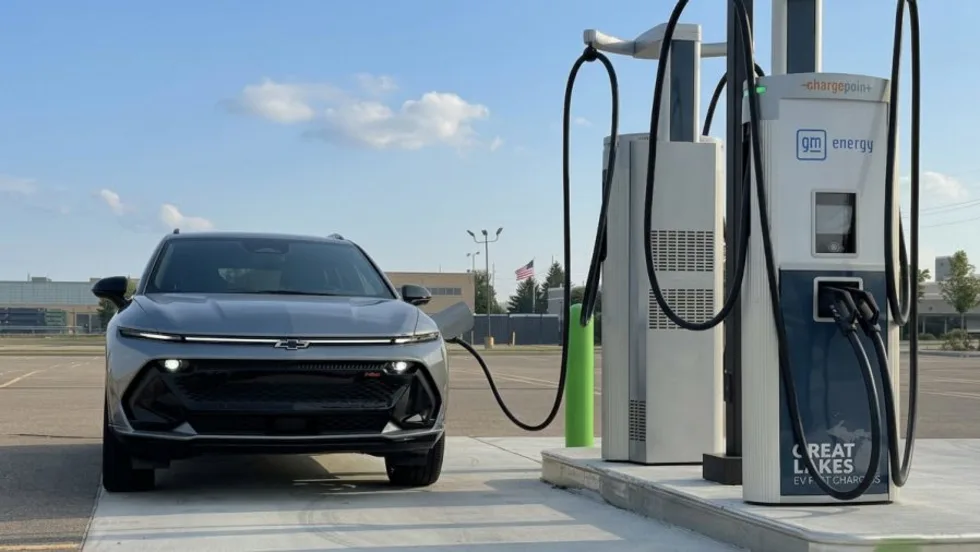
ChargePoint Now Available in Energy Pass
ChargePoint and additional planned charging network integrations were added to GM's Energy Pass.
Read More →
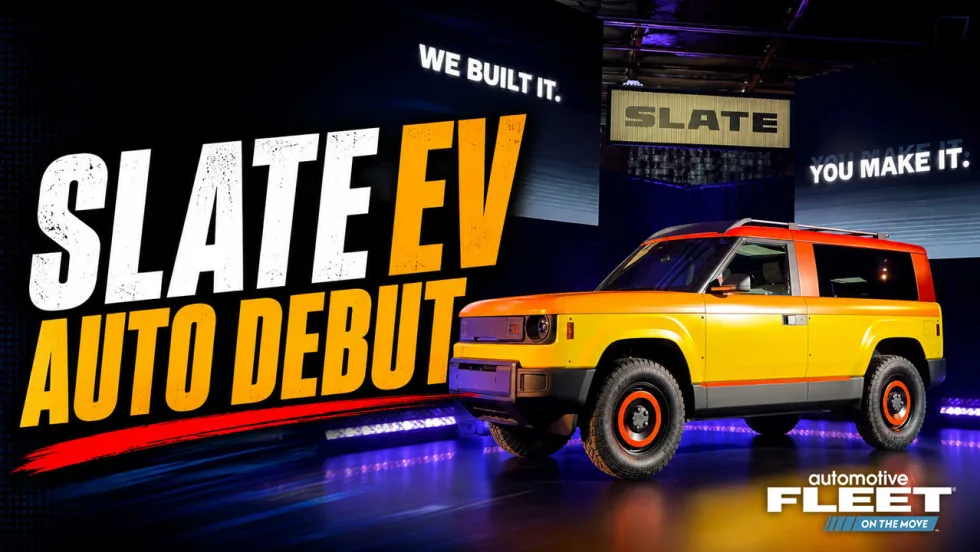
First Look: Slate Auto's Electric Fleet Pickup
Could an affordable, modular EV pickup make electrification more practical for fleets?
Read More →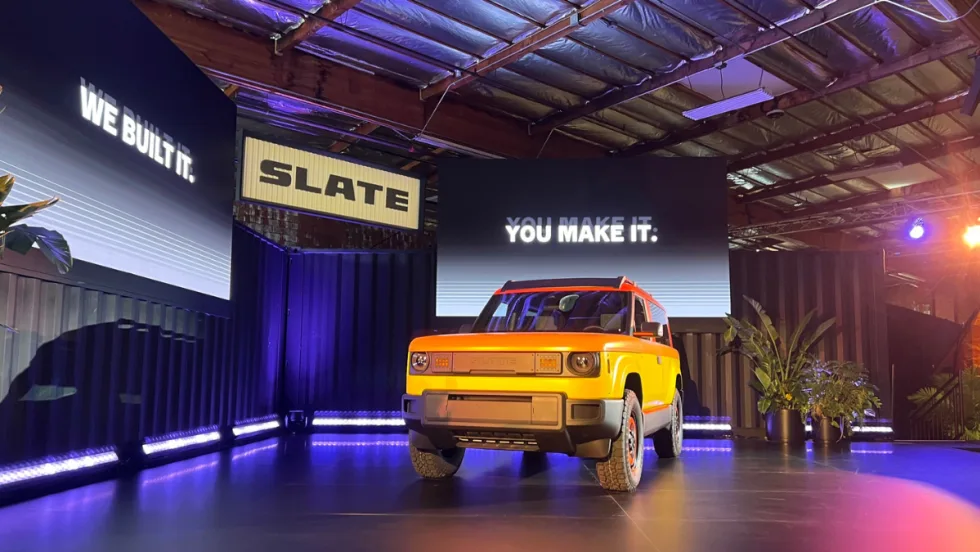
Slate Debuts Colorful, Unique EV Models
A recent media and client event, studded with electric vehicles dressed up on platforms, planted a new position for the manufacturer in the wider EV market. Fleets will find cost-saving advantages.
Read More →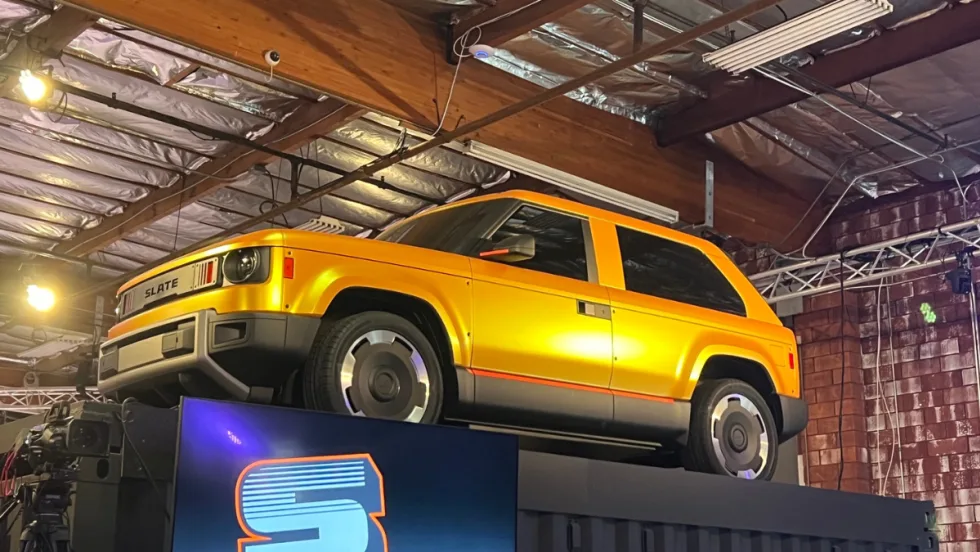
Slate Electric SUV, Pickup Switchable Model Aims For Light-Duty Fleets
Everything about this EV is counterintuitive and understated, making it stand out from the crowd.
Read More →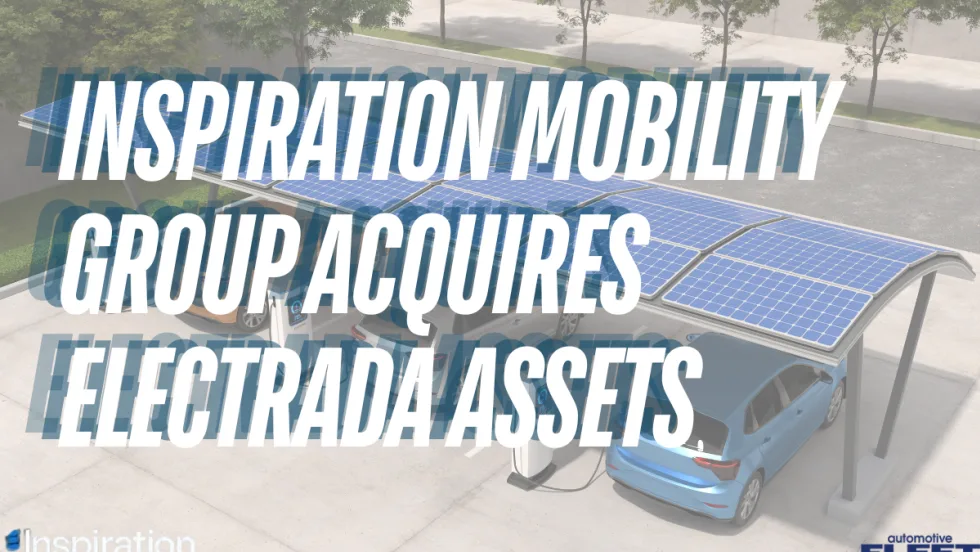
Inspiration Mobility Acquires Key Electrada Assets
Inspiration Mobility Group has acquired select assets of Electrada, adding the fleet electrification provider's team, technology, and charging infrastructure development capabilities to its energy management business.
Read More →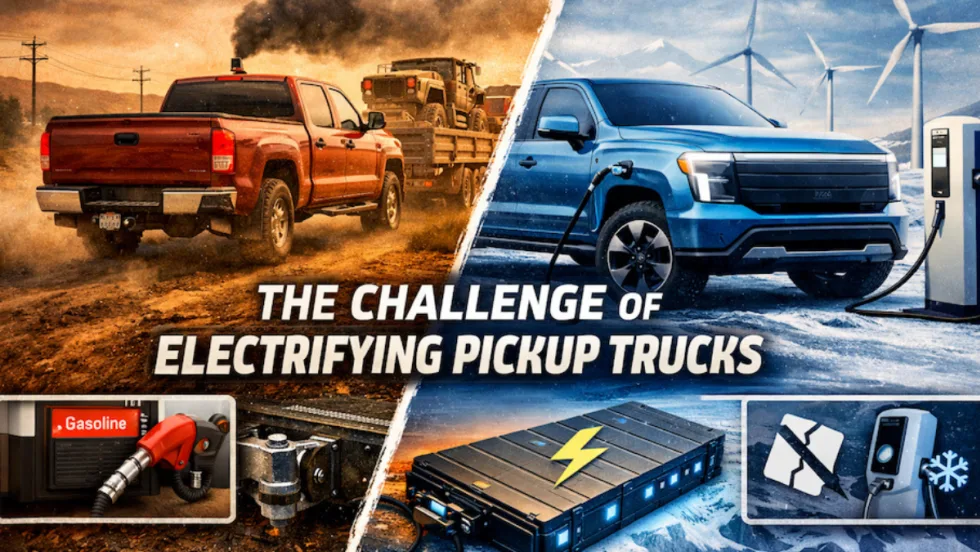
Why America’s Most Popular Vehicle is So Hard to Electrify
Turning America’s favorite workhorse electric means balancing range, payload, charging infrastructure, and price, an equation automakers are still trying to solve.
Read More →