




Takata Vehicle Safety Recall Now Biggest Ever
The Japan-based auto safety parts supplier reaches an agreement with NHTSA to expand its recall of defective air bag inflators, which have been linked to six deaths worldwide.
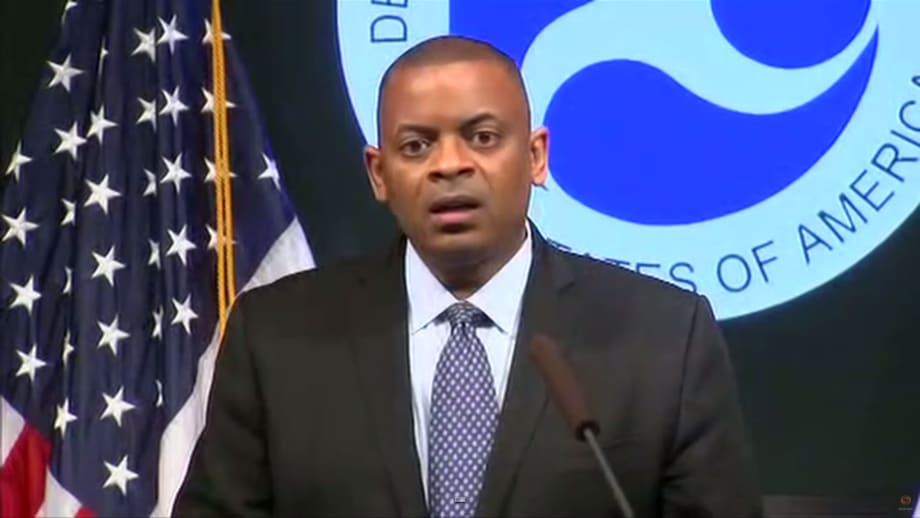
Screen shot of U.S. Transportation Secretary Anthony Foxx during press conference, via YouTube.

Screen shot of U.S. Transportation Secretary Anthony Foxx during press conference, via YouTube.
The Takata Corp. has agreed to expand the national recall of its defective air bag inflators, bringing the number of vehicles covered to nearly 34 million, U.S. Transportation Secretary Anthony Foxx announced.
Takata’s action, following months of growing pressure from the National Highway Traffic Safety Administration, makes the vehicle safety recall the largest ever in the U.S.
The recall expansion essentially doubles the number of vehicles covered. The goal is to replace certain types of driver- and passenger-side air bag inflators made with a “propellant that can degrade over time and has led to ruptures that have been blamed for six deaths worldwide,” the National Highway Traffic Safety Administration said in a released statement.
The agency is waiting for the automakers to supply a complete list of vehicles affected by the recall expansion. When the information becomes available, it will be released publicly.
“We are pleased to have reached this agreement with NHTSA, which presents a clear path forward to advancing safety and restoring the trust of automakers and the driving public,” Takata CEO Shigehisa Takada said in a statement.
NHTSA also issued a consent order requiring Takata to cooperate with the agency’s future regulatory actions tied to the recall investigation and oversight. The federal safety agency, part of the Department of Transportation, is taking steps to assume legal authority over management of the safety recall. NHTSA intends to organize and prioritize replacement of Takata’s defective air bag inflators.
The actions expand regional recalls of Takata passenger-side inflators, currently limited to areas of high absolute humidity, to nationwide recalls involving more than 16 million vehicles. Additionally, the current nationwide recall of driver-side inflators will expand to more than 17 million vehicles.
“It’s anticipated that the remedy of vehicles will be prioritized based upon risk, with the vehicles that present the greatest risk in terms of age and geographic location to be serviced first,” NHTSA said.
Despite investigations and testing by Takata, automakers and independent researchers, a definitive root cause for the inflator malfunctions still hasn’t been established, NHTSA said. But the problem appears to be related to moisture infiltrating the defective inflators over extended periods of time.
Eventually, that moisture causes changes in the structure of the chemical propellant that ignites when an air bag deploys. The degraded propellant ignites too quickly, producing excess pressure that causes the inflator to rupture. The resulting metal shards can strike vehicle occupants and cause serious injury or death.
NHTSA has already held informal discussions with automakers and parts suppliers in “an effort to coordinate one of the largest and most complex product recalls in history,” the agency said.
Ten automakers – Honda, BMW, Fiat Chrysler (FCA), Ford, General Motors, Mazda, Mitsubishi, Nissan, Subaru and Toyota – have previously issued recalls to replace the air bag inflators. The recall expansion is expected to add Daimler Trucks to the list of affected manufacturers.
“From the very beginning, our goal has been simple: a safe air bag in every vehicle,” said NHTSA Administrator Mark Rosekind. “The steps we’re taking today represent significant progress toward that goal.”
More Safety

Nexar-Nauto Merger Aims to Give Fleets Better Safety Intelligence Through Larger Driving Dataset
Stefan Heck tells Automotive Fleet that combining more than 10 billion miles of driving history with Nexar's AI models will give fleets deeper insights into driver risk and roadway conditions than either company could provide independently.
Read More →
Don't Wait for a Crisis: 5 Ways to Build Mental Health Into Your Fleet Safety Program
For Suicide Prevention Month, fleet and safety leaders have an opportunity to put mental health where it belongs: at the center of workplace safety.
Read More →
How Camera Data Can Strengthen a Fleet’s Insurance Renewal
Insights from a commercial insurance carrier and a broker show how fleets can turn video telematic data, driver coaching, and improved claims results into a stronger case at insurance renewal.
Read More →
The Safest Fleets Aren’t the Ones with the Most Technology
You’ve made the telematics investment. Here’s how to capture the other half of its value and build the safest fleet on the road.
Read More →
Hidden in Plain Sight: Fleet Compliance Risks
Fleet compliance isn't just about having policies — it's about consistently enforcing them. This practical guide reveals six hidden compliance risks common in public sector and shared fleet operations and outlines proven strategies to improve visibility, accountability, and audit readiness
Read More →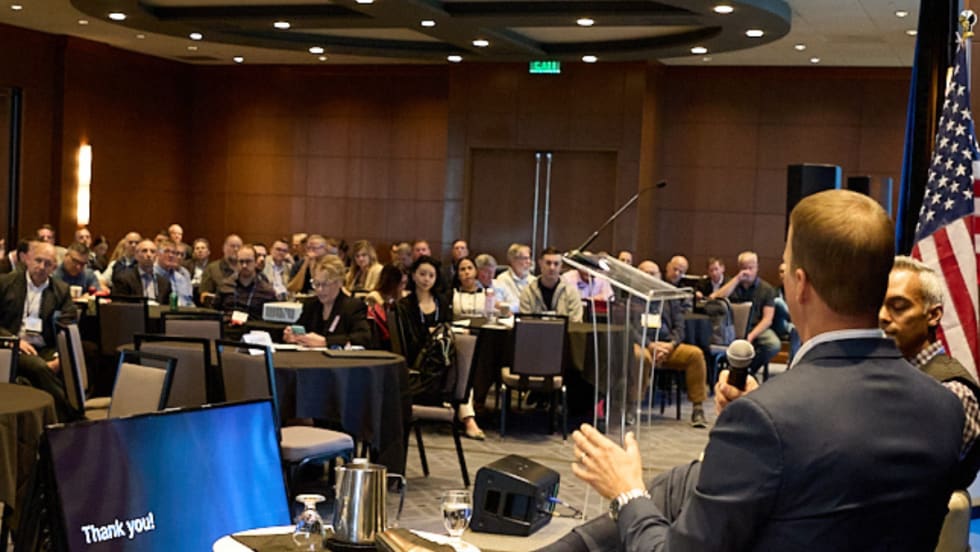
NETS Sets 2026 Fleet Safety Benchmark Conference for Indianapolis
The Sept. 15–17 program will feature fleet benchmarking data, case studies, emerging technologies, and implementation strategies while running alongside the NSC Safety Congress & Expo.
Read More →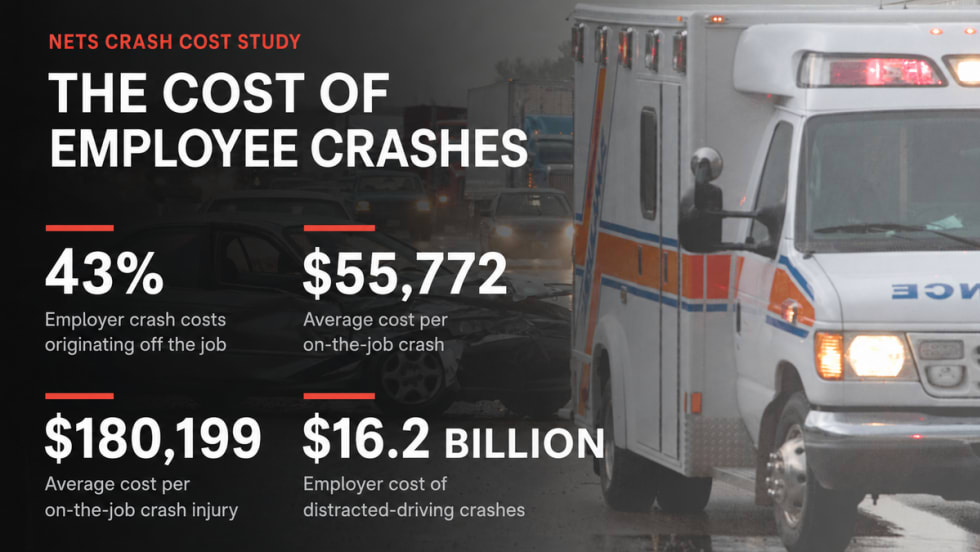
Off-the-Job Crashes Account for 43% of Employers’ $61.7 Billion Crash Burden
NETS quantifies costs dispersed across fleet, risk, HR, and other departments while providing new per-crash benchmarks for employers.
Read More →
Ram Recalls More Than 1.27 Million 1500 Pickups for Seat Belt Anchor Issue
The recall affects certain 2019-2026 Ram 1500 pickups that may have improperly attached second-row seat belt buckle anchors.
Read More →
How Better Visibility Cut Speeding Violations by 48%
Fleet leaders don't need more data, they need clearer visibility into what the data is saying. This case study explores how one utility replaced speeding-event counts with a single metric — miles driven in violation — to strengthen safety and significantly reduce speeding violations.
Read More →
Operation Safe Driver Week: Why the Industry's Oldest Safety Campaign Still Matters to Fleets
A look at how a 2007 enforcement initiative became one of the most consequential weeks on the fleet safety calendar, and what it means for your drivers in 2026.
Read More →