




Takata Air Bag Test Spurs New GM Recall
The recall affects 395 2015 model-year Buick LaCrosse, Cadillac XTS, Chevrolet Camaro, Equinox, Malibu and GMC Terrain vehicles.

Photo of Chevrolet Malibu courtesy of GM.

Photo of Chevrolet Malibu courtesy of GM.
General Motors is recalling 395 2015 model-year Buick LaCrosse, Cadillac XTS, Chevrolet Camaro, Equinox, Malibu and GMC Terrain vehicles so dealers can replace their front seat-mounted, side-impact air bag modules manufactured by Takata.
Takata on Oct. 6 notified GM that a side air bag inflator failed safety testing conducted at the Takata Monclova Mexico inflator plant the previous day, according to a GM report sent to the National Highway Traffic Safety Administration. During Takata’s testing, some of the inflator’s components burst apart when the air bag deployed. There was a release of high-pressure gas, and component fragments were propelled into the air.
Exploding Takata air bag inflators have been linked to at least eight deaths, seven of which occurred in the U.S. Takata air bag recalls have affected approximately 19 million vehicles in the U.S., according to NHTSA. Those vehicles were manufactured by 11 different automakers that used Takata as a supplier.
This month, GM immediately took steps to trace inflators from the same lot as the one that failed the test, the automaker said. The recall, set to begin Oct. 19, covers vehicles equipped with those air bag inflators.
After dealers replace the suspect inflators, the parts will be collected as evidence for an ongoing investigation, NHTSA said.
GM's number for this recall is 01320.
More Safety
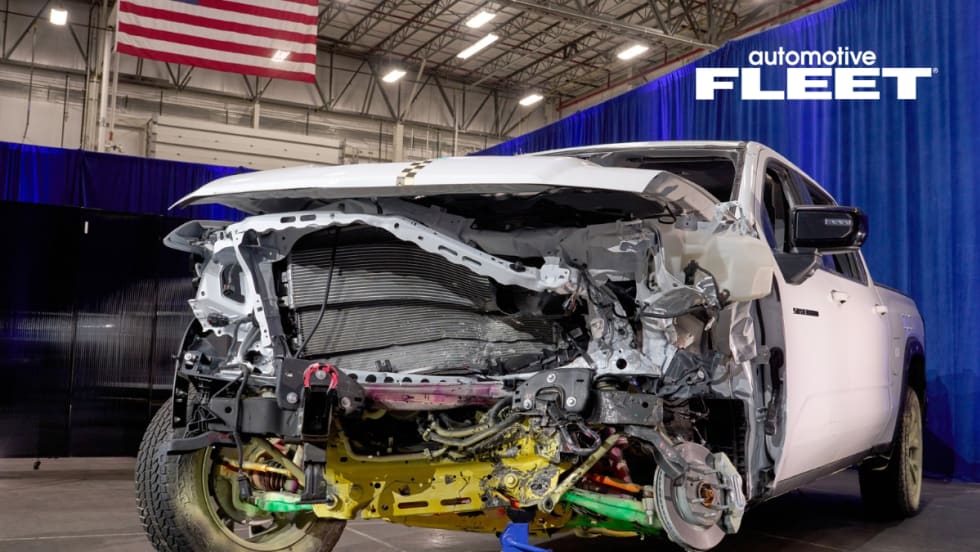
GM Conducts 92,000 Virtual Crash Tests for 2027 Chevrolet Silverado 1500
General Motors used computer simulations to evaluate crash scenarios, occupant protection and vehicle design variations before conducting physical crash tests.
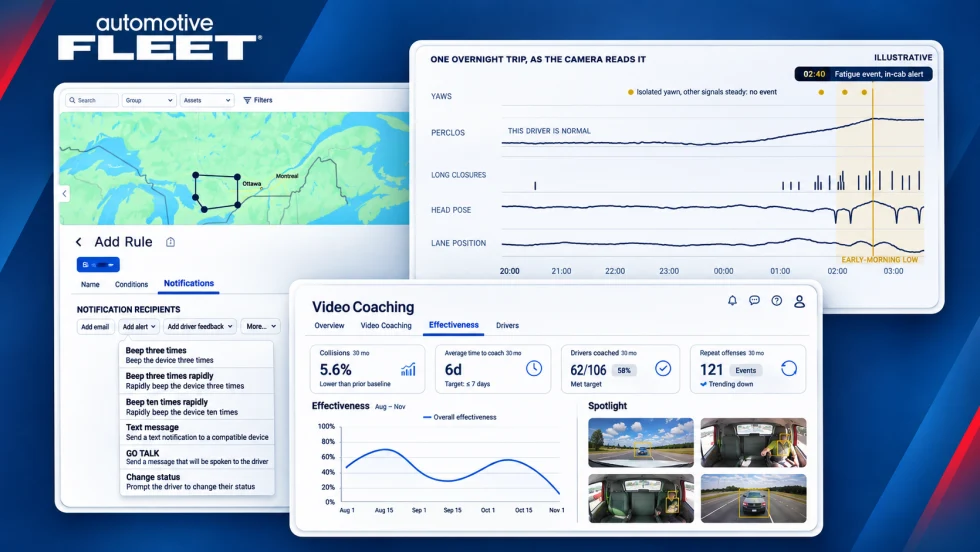
Geotab Adds AI-Powered Driver Coaching and Fatigue Detection Features
New capabilities include fatigue monitoring, two-way audio, coaching effectiveness analytics and location-based privacy controls for fleet safety management.
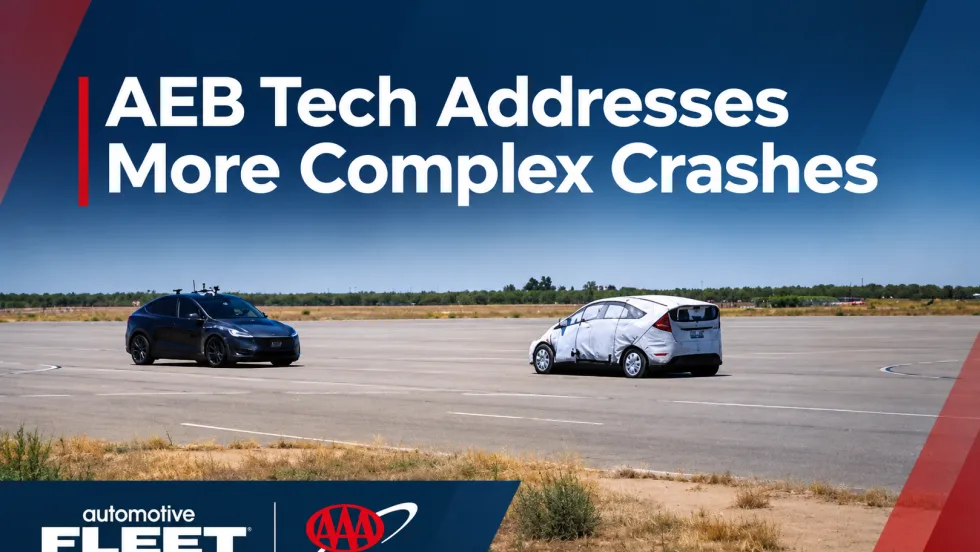
AAA Testing Finds Gaps in Intersection AEB Crash Prevention
Testing of four 2026 model-year vehicles found that automatic emergency braking prevented collisions in standardized intersection scenarios, but three vehicles failed to avoid crashes when another vehicle turned into their path.

Which Fleet Types Have the Highest Severe Speeding Rates?
New research from SambaSafety finds significant differences in speeding rates across fleet industries, even as nearly 90% of surveyed fleets report using telematics.
When a Cyberattack Hits Your Fleet: What Happens Next?
“You have two opportunities to test your plans: when you choose or when the threat actor chooses.” A cybersecurity expert reveals what fleet managers need to know before a cyberattack puts their operations at risk — and why the decisions made in the first moments can shape the entire recovery.

Tips for Driving Safely on Halloween Night
This video features a reminder from the Connecticut Department of Transportation (DOT) and the Connecticut Police Chiefs Association, urging drivers to prioritize safety this Halloween.
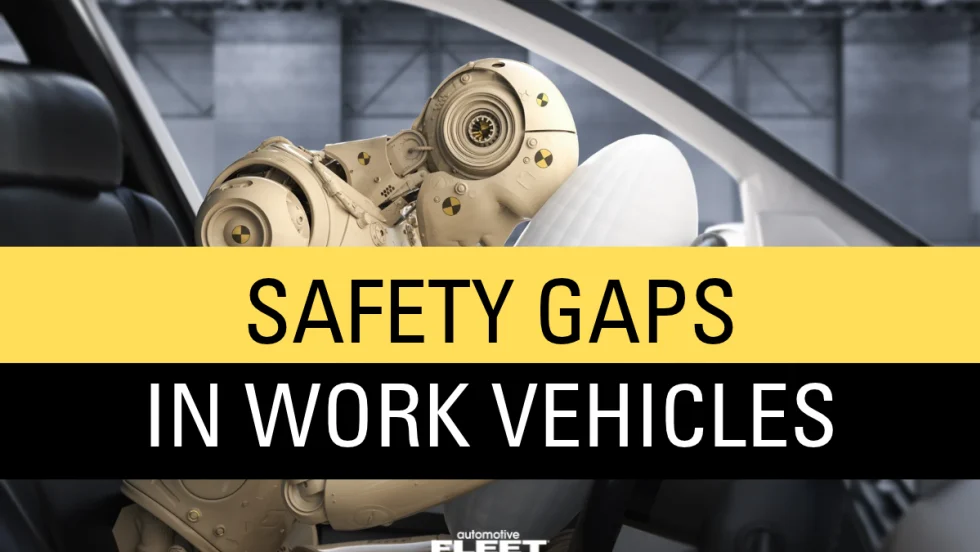
IIHS Crash Avoidance Tests Reveal Safety Gaps in Cargo Vans and Work Trucks
New IIHS crash avoidance ratings show uneven performance among cargo vans and heavy-duty pickups, with most struggling to avoid vehicle-to-vehicle collisions.
What’s Next for Fleet? Safety, AI & Industry Recognition | AF News Recap
Could your company's culture be encouraging distracted driving? This week, we're exploring how workplace expectations affect driver safety, what AI, EVs, and autonomous vehicles could mean for the future of fleet management, and how fleet professionals can strengthen their award nominations.

Does Your Fleet's Culture Encourage Distracted Driving?
What happens when the people responsible for enforcing safety rules are the ones setting the wrong example? The answer may reveal why some of the biggest risks to fleet drivers have little to do with what's written in the employee handbook.

Fleet Manager’s Ultimate Playbook: Navigating the New Standard in OEM Connectivity
Rising operating costs, driver safety concerns, and unplanned downtime are putting unprecedented pressure on modern fleets. Discover how fleet managers use embedded OEM connectivity and real-time vehicle data to cut TCO, prevent downtime, and protect drivers without aftermarket telematics hardware.