Learn More
Find out what other fleet managers think about charging infrastructure in our Global Fleet Advisory Board story UK Electrification Under The Spotlight With The Global Fleet Advisory Board.
 MENU
MENU SEARCH
The first annual Association of Fleet Professionals conference tackled all things electrification.

James Rooney discusses electrification, ESG, and the challenges of managing a fleet at the Automotive Fleet Professionals conference.
Ralph Morton
For many organizations, tackling the infrastructure required to switch to an electric fleet is one of the key issues for fleet managers.
Should it be home charging only? What about depot charging? And how should drivers re-charge on the road when required?
These were the complex issues discussed at the recent Association of Fleet Professionals’ annual conference with a panel of experts and fleet controllers.
Alex Potts, head of sales at bp pulse advised that it was imperative to survey depots correctly before beginning any installation programs.
“You need to de-risk the process and recognize the transition process,” he said. “So it’s important to optimize the infrastructure build at the lowest cost possible. Much of the sum spent is under the ground - such as trenches and substations - so make sure what you put down is correct. Because you don't want to keep digging up your depots and causing disruption to your operations because your initial plans were out.”
He added that consultancy prior to installation commencement would help future proof operational requirements and whether the cost per mile could be better flexed against the public network instead.
Ashley Tate, CEO of Mina, an EV charging solution provider that allows fleet vehicles to be charged at home and on the road with one simple bill for the fleet owner, said that where possible and practicable, fleets should consider home charging
“The upfront cost of a home charge point can be expensive, but allowing drivers to charge at home will pay for itself sooner than most people think.
"Factoring in downtime, on average a home charger pays for itself after 5000 miles, and thereafter you’ll be saving around £170 for every 1,000 miles by charging at home, as opposed to charging in public.
“Not only that, it’s where drivers want to charge. We’ve heard stories of drivers sitting in car parks late at night because that’s the only way for them to charge their vehicles. If businesses get their EV strategies wrong, they will lose drivers to competitors that get it right. We’ve seen this happen. Businesses need to consider what’s best for their drivers”.
Home charging was the approach that James Rooney, fleet engineer for Centrica (owners of British Gas) took. With responsibility for 9,000 LCVs and 1,500 cars and an ambition to change all these vehicles to EVs by 2025, James said:
“At the moment we have 1,200 EVs on the road and getting there so far has been very directed. EVs are highly involved and it’s important to chunk the process down and do the simple things first. So what we did was home charging. In many ways home AC charging is so much better: it’s cheaper and there’s less battery degradation and can be done overnight.”
Another head of fleet, Duncan Webb at ISS Facility Services, said he uses a mix of infrastructure solutions to deliver electricity to the company’s fleet. Starting first with plug-in hybrid and battery electric vehicles (BEV), Duncan says ISS is now going BEV only for cars.
“With vans, though, we’re early in our electrification journey,” he said. “But the successes so far are a 25% reduction in CO2 emissions.” Nevertheless, Duncan admitted vans were “tough on charging”.
He said: “Many of our drivers do not have a drive where they can instal a home charger and we do not have any depots. So our reliance on fast charging is going to be huge. People standing at rapid chargers are going to cost me more than diesel. But it’s what we have to do to lower our carbon emissions.”
Geofencing is a familiar fleet tool today, but its early adoption marked a major shift in vehicle tracking, route monitoring, and the debate over employee privacy.
Read More →
Holman is bringing its Mexican fleet management operation fully under its own brand after more than 30 years as a joint venture. The change gives multinational fleet customers a single Holman operation across the U.S., Canada, and Mexico.
Read More →
Regular tire checks can do more than extend tread life. These five maintenance practices can help work truck fleets catch problems early, reduce costs, and prevent downtime.
Read More →
The age-old problem of downtime will always be a reality, but with new strategies at hand, fleets have more ways to keep trucks on the road longer.
Read More →


Part Two: Commercial auto remains one of the most challenging and costly lines of coverage for fleet operators and insurers alike. Continue learning more about how to effectively address these issues from Onur Aksan, Enterprise Business Development Executive, Geotab
Read More →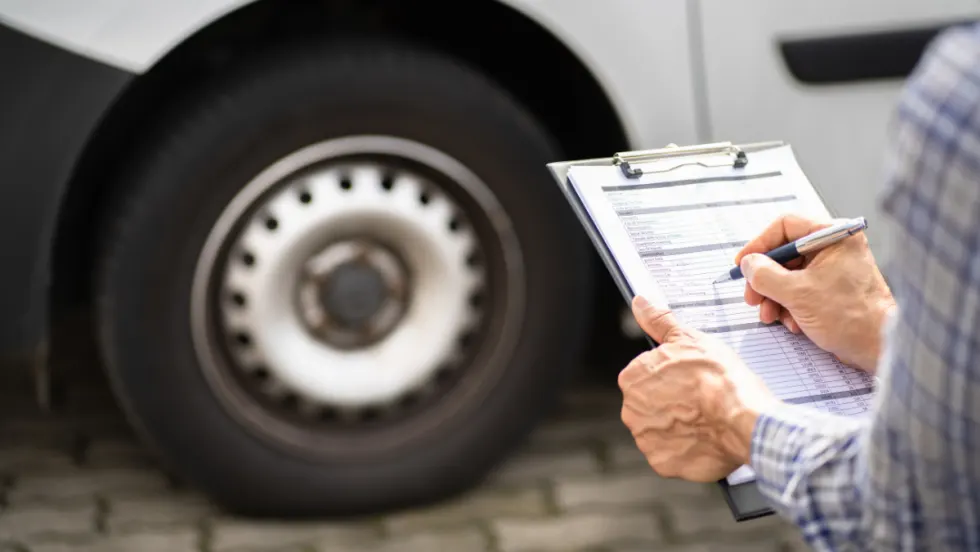
Commercial auto remains one of the most challenging and costly lines of coverage for fleet operators and insurers alike. Learn more about how to effectively address these issues from Onur Aksan, Enterprise Business Development Executive, Geotab.
Read More →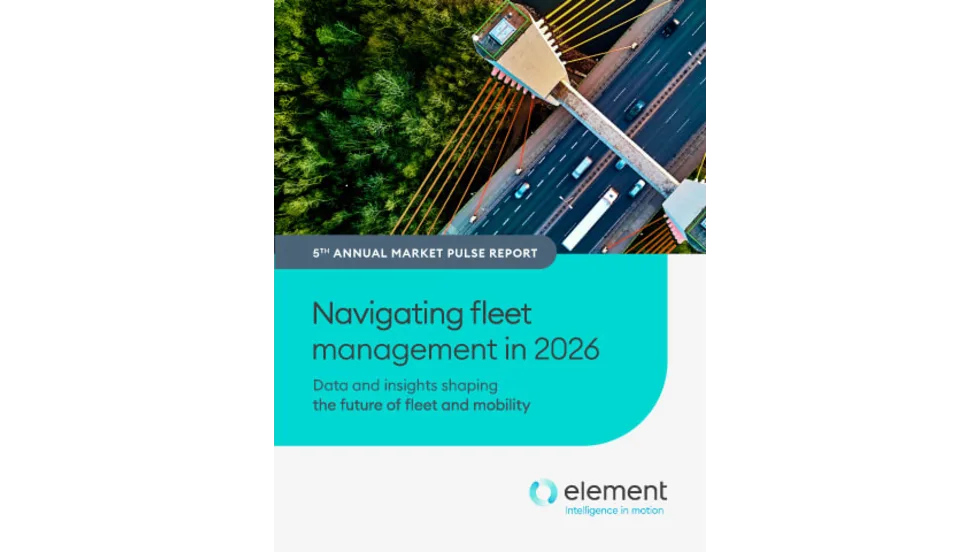
Fleet leaders are under pressure to reduce costs, adapt to economic uncertainty, and make smarter decisions. See how peers across North America are responding with real data, proven strategies, and forward-looking insights. Download the 2026 Market Pulse Report to benchmark your strategy and uncover where you can gain an edge.
Read More →
Enterprise Mobility connects with mobility solutions around the globe
Read More →