




Study Ties Driver Falling History to Crash Risk
New research from the AAA Foundation for Traffic Safety finds that older drivers with a history of falling are 40% more likely to experience a vehicle collision.
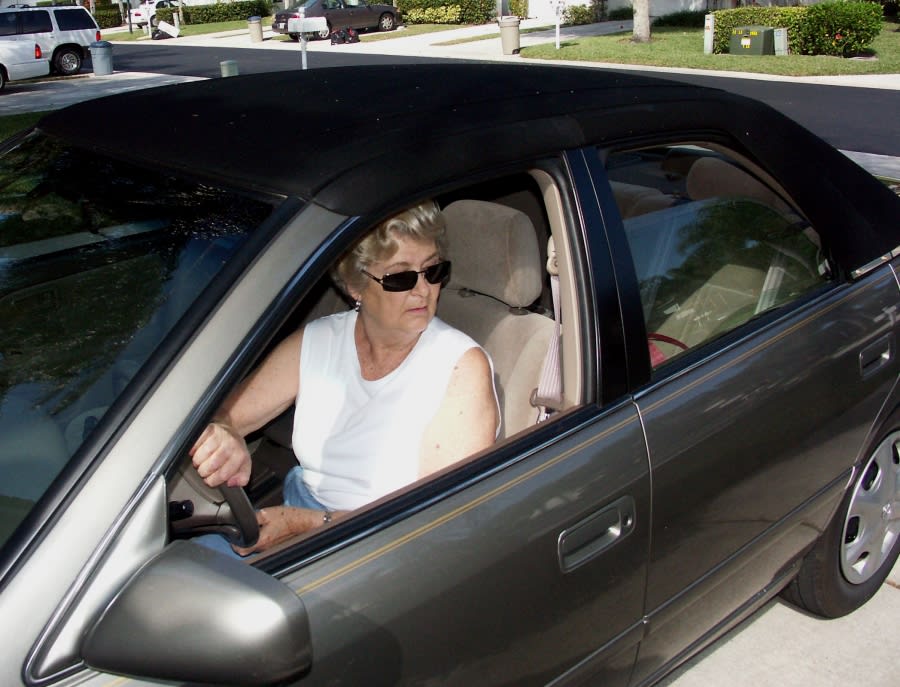
Photo courtesy of AAA Foundation for Traffic Safety.
Photo courtesy of AAA Foundation for Traffic Safety.
Older drivers with a history of falling are 40% more likely to be involved in crashes than their peers, according to a new study released by the AAA Foundation for Traffic Safety.
Falls limit older drivers’ ability to function behind the wheel and can make driving risky for themselves and others on the road, researchers found. Each year, about 12 million older adults experience a fall.
“Drivers age 60 and older are involved in more than 400,000 crashes each year, and it’s important that we find ways to keep them and others safe on the road,” said Peter Kissinger, president and CEO of the AAA Foundation for Traffic Safety. “This research is critical because it shows that we can now use an older driver’s fall history to identify if they are at greater risk for a crash.”
The report, “Associations Between Falls and Driving Outcomes in Older Adults,” is the latest research released as part of the organization’s Longitudinal Research on Aging Drivers (LongROAD) project.
Researchers from the University of Colorado Anschutz Medical Campus along with the AAA Foundation for Traffic Safety discovered that falls can increase crash risk in two distinct ways.
First, falls can result in a loss of functional ability — for example, wrist fractures or a broken leg — which can make it difficult for older drivers to steer or brake to avoid a crash. Second, falls can increase an individual’s fear of falling, which can lead to a decrease in physical activity that weakens driving skills.
“Falls often scare people into being less active, but decreasing physical activity can weaken muscles and coordination and make someone more likely to be in a crash,” said Anita Lorz Villagrana,” Automobile Club of Southern California’s community programs and traffic safety manager. “As a leading advocate for senior driver safety, AAA offers a variety of programs and resources to help older drivers assess and improve their driving performance and to help avoid crashes.”
The research suggests that falls represent a possible early indicator of declining physical fitness. Addressing the health issues that originally led to the fall — such as lower body weakness, poor balance, slow reaction time, medication side effects, dizziness or vision problems — can help older drivers strengthen their functional ability and lower their future risk for crashing or experiencing another fall.
“Older drivers should find activities that enhance balance, strengthen muscles and promote flexibility,” Lorz Villagrana said. “Even a low-impact fitness training program or driver improvement course can help safely extend an older driver’s years on the road.”
AAA recommends a series of exercises and stretches to improve neck, shoulder, trunk, back and overall body flexibility, which can help a driver who has suffered from a recent fall.
More Safety
IIHS Crash Avoidance Tests Reveal Safety Gaps in Cargo Vans and Work Trucks
New crash-avoidance ratings from the Insurance Institute for Highway Safety reveal inconsistent performance among commercial vehicles, with several popular cargo vans and heavy-duty pickups struggling to avoid collisions with other vehicles and pedestrians.
Read More →
What’s Next for Fleet? Safety, AI & Industry Recognition | AF News Recap
Could your company's culture be encouraging distracted driving? This week, we're exploring how workplace expectations affect driver safety, what AI, EVs, and autonomous vehicles could mean for the future of fleet management, and how fleet professionals can strengthen their award nominations.
Read More →
Does Your Fleet's Culture Encourage Distracted Driving?
What happens when the people responsible for enforcing safety rules are the ones setting the wrong example? The answer may reveal why some of the biggest risks to fleet drivers have little to do with what's written in the employee handbook.
Read More →
Fleet Manager’s Ultimate Playbook: Navigating the New Standard in OEM Connectivity
Rising operating costs, driver safety concerns, and unplanned downtime are putting unprecedented pressure on modern fleets. Discover how fleet managers use embedded OEM connectivity and real-time vehicle data to cut TCO, prevent downtime, and protect drivers without aftermarket telematics hardware.
Read More →
From Driver Well-Being to EV Charging | AF News Recap
Mental health belongs in the fleet safety conversation. This week, we’re looking at five ways fleets can support employee well-being before a crisis, plus Holman’s expansion in Mexico, new one-day Fleet Forward passes, and why EV charging demand is outpacing infrastructure growth.
Read More →
Nexar-Nauto Merger Aims to Give Fleets Better Safety Intelligence Through Larger Driving Dataset
Stefan Heck tells Automotive Fleet that combining more than 10 billion miles of driving history with Nexar's AI models will give fleets deeper insights into driver risk and roadway conditions than either company could provide independently.
Read More →
Don't Wait for a Crisis: 5 Ways to Build Mental Health Into Your Fleet Safety Program
For Suicide Prevention Month, fleet and safety leaders have an opportunity to put mental health where it belongs: at the center of workplace safety.
Read More →
How Camera Data Can Strengthen a Fleet’s Insurance Renewal
Insights from a commercial insurance carrier and a broker show how fleets can turn video telematic data, driver coaching, and improved claims results into a stronger case at insurance renewal.
Read More →
The Safest Fleets Aren’t the Ones with the Most Technology
You’ve made the telematics investment. Here’s how to capture the other half of its value and build the safest fleet on the road.
Read More →
Hidden in Plain Sight: Fleet Compliance Risks
Fleet compliance isn't just about having policies — it's about consistently enforcing them. This practical guide reveals six hidden compliance risks common in public sector and shared fleet operations and outlines proven strategies to improve visibility, accountability, and audit readiness
Read More →