




Study Shows Dramatic Reductions in Diesel Engine Emissions
The study, conducted by the Coordinating Research Council and the Health Effects Institute, shows that clean diesel technologies in engines manufactured beginning in 2007 not only reduced certain emissions by 90 percent over 2004 models, but far exceeded expectations in their performance in cleaning up the nation's air quality.
A new study shows that clean diesel technologies in engines manufactured beginning in 2007 not only reduced certain emissions by 90 percent over 2004 models, but far exceeded expectations in their performance in cleaning up the nation's air quality.
Emission reductions by 2007 model engines "exceeded substantially even those levels required by law," said the study, conducted by the Coordinating Research Council and the Health Effects Institute. Current engine models produced 98 percent less carbon monoxide, 10 percent less nitrogen oxide, 95 percent less non-methane hydrocarbons and 89 percent less particulate matter than required by EPA's 2007 diesel engine emission standards.
"These latest emissions figures are a testament to the trucking and engine manufacturing industries' deep commitment to the environment," said ATA President and CEO Bill Graves. "We're proud of the significant progress that has been made, and we look forward to building upon this foundation as we continue to work toward a more sustainable future."
Exceeding the 2007 standards marks a major milestone in clean diesel technology, and new engines built to 2010 standards will be even cleaner, slashing nitrogen oxide emissions by another 50 percent.
In addition to reducing emissions through clean diesel technologies, the trucking industry's progressive environmental sustainability program will reduce fuel consumption by 86 billion gallons and CO2 emissions by 900 million tons for all vehicles over the next 10 years by: setting governors on post-1992 trucks to limit speeds to no more than 65 mph; enacting a national speed limit of 65 mph for all vehicles; reducing engine idling; reducing congestion by improving highways; using more productive truck combinations; supporting national fuel economy standards for trucks; and increasing fuel efficiency by encouraging participation in the U.S. EPA SmartWay Transport Partnership program.
"Diesel engines are the workhorses of the nation's transportation infrastructure because they are fuel efficient, durable and reliable,"said Jed Mandel, President of the Engine Manufacturers Association. "We can now add near-zero emissions to the list of diesel's positive attributes."
The study, sponsored by a multi-party group of government and industry organizations including the U.S. Department of Energy, the U.S. Environmental Protection Agency, the California Air Resources Board and the Engine Manufacturers Association, is phase 1 of the Advanced Collaborative Emissions Study (ACES). This five year, comprehensive emissions testing program will test the emissions and health effects of new technology diesel engines to document the improvements that have been made and to ensure that there are no unintended emissions from these new technologies. The results of the ACES study can be found by visiting here.
For more information about ATA's sustainability plan, visit www.trucksdeliver.org.
More Green Fleet

EV Charging Use Is Outpacing Infrastructure Growth
ChargePoint’s 2026 Charging Forward Report points to rising charger use, higher-powered charging, commercial vehicle electrification, and energy-management technology. Here’s what fleets should know.
Read More →
Merchants Fleet Reports 290M EV Miles as Fleets Navigate Changing Electrification Market
From millions in operating savings to hundreds of millions of EV miles, Merchants Fleet’s latest report reveals what’s working and what’s changing in fleet electrification.
Read More →
The EV Breakdown Nobody's Talking About: Why Most Electric Vehicle Roadside Calls Aren't Mechanical Failures
Here's why EV breakdowns are widely misunderstood.
Read More →
ChargePoint Now Available in Energy Pass
ChargePoint and additional planned charging network integrations were added to GM's Energy Pass.
Read More →

First Look: Slate Auto's Electric Fleet Pickup
Could an affordable, modular EV pickup make electrification more practical for fleets?
Read More →
Slate Debuts Colorful, Unique EV Models
A recent media and client event, studded with electric vehicles dressed up on platforms, planted a new position for the manufacturer in the wider EV market. Fleets will find cost-saving advantages.
Read More →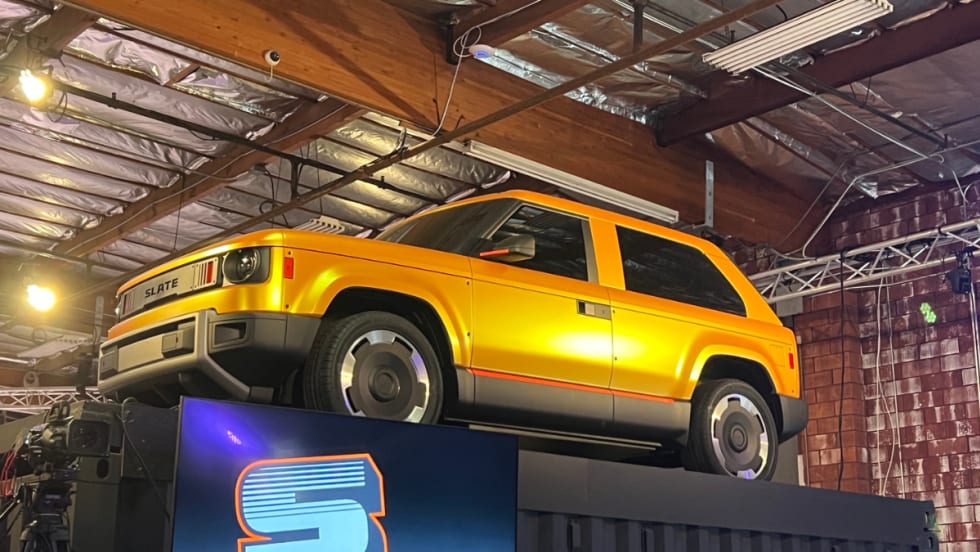
Slate Electric SUV, Pickup Switchable Model Aims For Light-Duty Fleets
Everything about this EV is counterintuitive and understated, making it stand out from the crowd.
Read More →
Inspiration Mobility Acquires Key Electrada Assets
Inspiration Mobility Group has acquired select assets of Electrada, adding the fleet electrification provider's team, technology, and charging infrastructure development capabilities to its energy management business.
Read More →
Turning Connected Vehicle Data Into Decisions That Matter
Fleet leaders have more data than ever, but turning that data into clear, actionable decisions remains a challenge. This white paper shows how leading organizations are using connected vehicle data to improve safety, reduce costs, and optimize fleet performance. Learn how to turn insight into action across your fleet.
Read More →