




Study Credits Vehicles, Not Drivers, for Better Road Safety
WASHINGTON, D.C. – Cars are becoming safer, but the people who drive them are not, an Insurance Institute for Highway Safety study found. In fact, without design changes that have made vehicles safer, including the growing prevalence of airbags, the death toll on the nation's roads would be higher by about 5,000 people annually, more than 11 percent of last year's total, primarily because drunken driving rates have not changed much in the 10 years studied, seatbelt use has climbed
WASHINGTON, D.C. – Cars are becoming safer, but the people who drive them are not, an Insurance Institute for Highway Safety study found. In fact, without design changes that have made vehicles safer, including the growing prevalence of airbags, the death toll on the nation’s roads would be higher by about 5,000 people annually, more than 11 percent of last year’s total, primarily because drunken driving rates have not changed much in the 10 years studied, seatbelt use has climbed at only a moderate pace, and people are driving faster. According to a preliminary estimate by the government’s National Highway Traffic Safety Administration, the death rate per million miles traveled has fallen almost every year since 1966, although it was up slightly in 2005. It would have risen in the 10 years ended 2004, rather than falling 16.8 percent, if not for the improvements in vehicles, the insurance institute’s study found. “Every year we look at the fatality rate and it is coming down, and people are becoming complacent; people think we’re doing everything right,” said Adrian Lund, an author of the study, which examined the period from 1994 to 2004, as quoted in the New York Times. “Our results show in recent years it’s only because we’re doing such a good job of getting people into safer vehicles.” Belt use among front-seat occupants increased to about 80 percent in 2004, from about 58 percent in 1994, and is about 82 percent now. The agency says each increase of one percentage point in belt use saves some 270 lives a year; highway deaths last year were about 43,200. The study also noted that increased vehicle safety during the decade correlated with an increase in average vehicle weight and size, a trend that is unlikely to survive in an era of $3-a-gallon gasoline.
More Safety
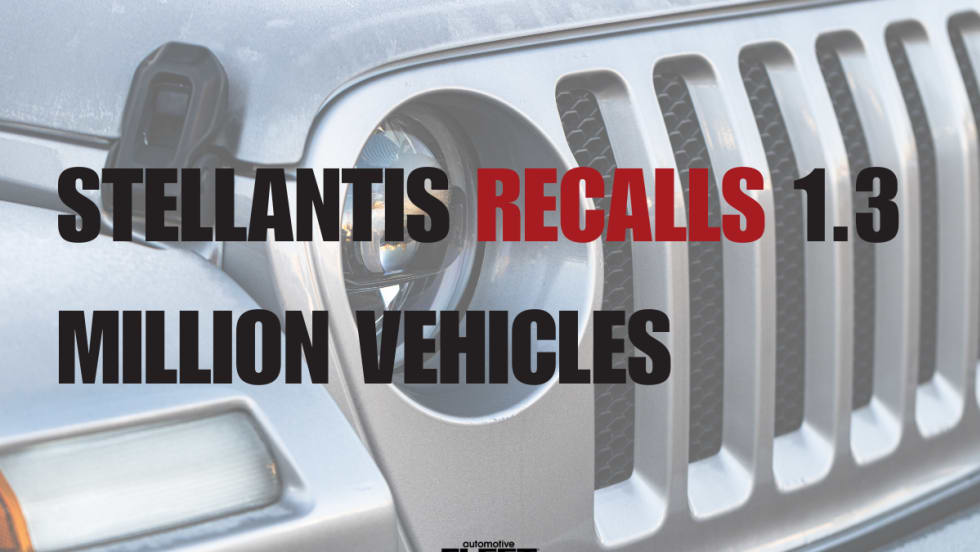
Stellantis Recalls 1.3 Million Jeep Vehicles Worldwide Over Fire Risk
Stellantis is recalling more than 1.3 million Jeep Wrangler and Gladiator models worldwide over a fire risk linked to power steering pump wiring.
Read More →
Coaching Is Not Training, Even When AI Is Doing It
AI-powered safety platforms can detect risky behaviors and deliver immediate feedback. But effective driver development still requires a foundation of training followed by coaching that reinforces those skills.
Read More →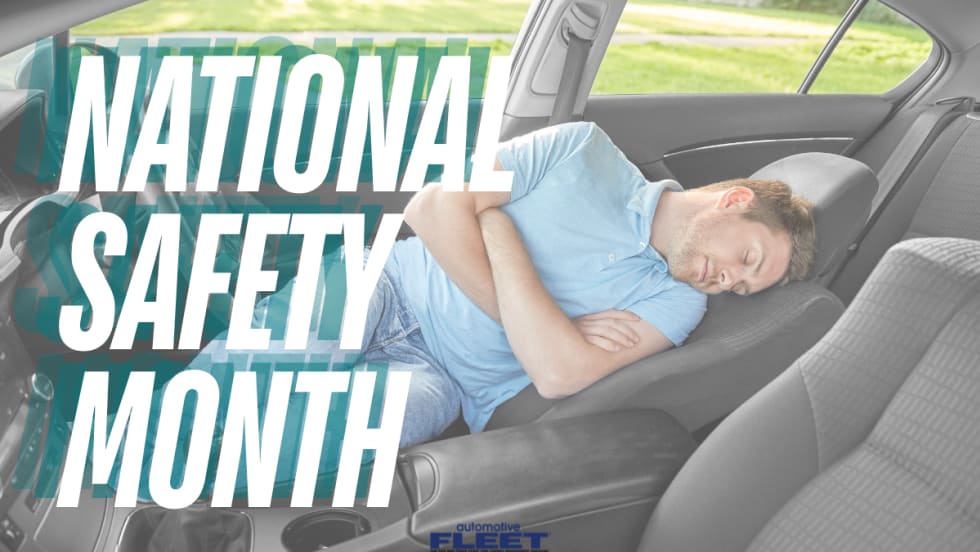
How Emotions Behind the Wheel Can Affect Fleet Safety
During National Safety Month, fleets are encouraged to look beyond distracted driving and recognize how stress, fatigue, and emotional well-being influence driver performance and crash risk.
Read More →

Nominations Open for 2026 Fleet Safety Award
Nominations have officially opened for the 2026 Fleet Safety Award Winner.
Read More →
Turning Connected Vehicle Data Into Decisions That Matter
Fleet leaders have more data than ever, but turning that data into clear, actionable decisions remains a challenge. This white paper shows how leading organizations are using connected vehicle data to improve safety, reduce costs, and optimize fleet performance. Learn how to turn insight into action across your fleet.
Read More →
Cameras, Safety and Insurance: From Reactive Claims to Real-time Prevention
Commercial auto remains one of the most challenging and costly lines of coverage for fleet operators and insurers alike. Learn more about how to effectively address these issues from Onur Aksan, Enterprise Business Development Executive, Geotab.
Read More →
NAFA Fleet Safety Symposium to Collocate With 2026 Fleet Forward Conference
The daylong certificate program will precede the Fleet Forward Conference at the Gaylord National Harbor in Maryland.
Read More →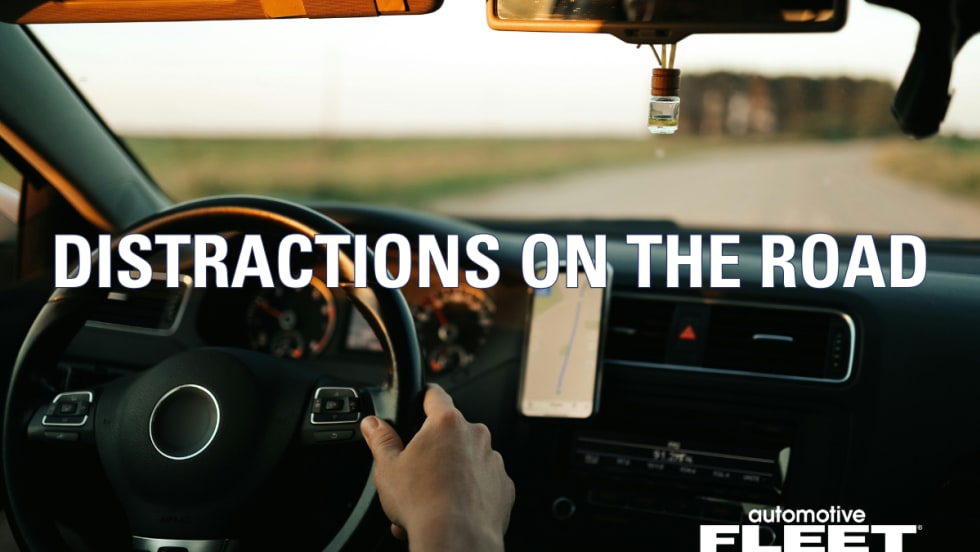
The Distractions You Can’t Turn Off: What Drivers Face Outside the Vehicle
Fleet drivers face constant visual, cognitive, and environmental interruptions the moment they hit the road. From roadside chaos to mental fatigue and digital overload, today’s biggest driving risks often come from outside the vehicle itself.
Read More →
FLASH Weather AI Launches First Deep-Learning Hail Prediction Model With High-Resolution Forecasting
FLASH Weather AI has launched a first-of-its-kind hail prediction model capable of forecasting hail size and arrival time at 1-kilometer resolution up to 55 minutes ahead, giving fleets and insurers critical time to prepare for severe storms.
Read More →
How Coca-Cola United Protects Its Fleet from Growing Legal Risk
As litigation risk rises, vehicles are increasingly targeted. This Coca-Cola bottler shares how it’s reducing exposure through driver training, technology, and a proactive risk management approach.
Read More →