




Studies: Shift to Biofuel Would Raise Greenhouse Gas Emissions
MINNEAPOLIS, Minn. --- Two studies published last week in the journal Science concluded that any major shift to growing biofuel crops for fuel production would actually increase greenhouse gas emissions instead of reduce them.
MINNEAPOLIS, Minn. --- Two studies published last week in the journal Science concluded that any major shift to growing biofuel crops for fuel production would actually increase greenhouse gas emissions instead of reduce them.
One study analysis asserted that clearing forests and grasslands to grow the crops would release vast amounts of carbon into the air, more than offsetting the benefits of burning biofuels instead of gasoline.
"We're rushing into biofuels and we need to be very careful," Jason Hill, one of the study co-authors, told the Los Angeles Times. "It's a little frightening to think that something this well intentioned might be very damaging." Hill is an economist and ecologist at the University of Minnesota.
The second study concluded that converting existing farmland from food to biofuel crops would increase greenhouse gas emissions because food production would be shifted to other parts of the world and result in the destruction of more forests and grasslands to make way for farming.
The analysis found that a U.S. cornfield devoted to producing ethanol would have to be farmed for 167 years before it would begin to deliver a net reduction in emissions.
"Any biofuel that uses productive land is going to create more greenhouse gas emissions than it saves," said Timothy Searchinger, the study's lead author. He is a researcher at the Woodrow Wilson School of Public and International Affairs at Princeton University.
More Green Fleet

Everything You Need to Know About Renewable Diesel
Learn how renewable diesel works, how it differs from biodiesel, and what work truck fleets should know about costs, emissions, and performance.
Read More →
EV Charging Use Is Outpacing Infrastructure Growth
ChargePoint’s 2026 Charging Forward Report points to rising charger use, higher-powered charging, commercial vehicle electrification, and energy-management technology. Here’s what fleets should know.
Read More →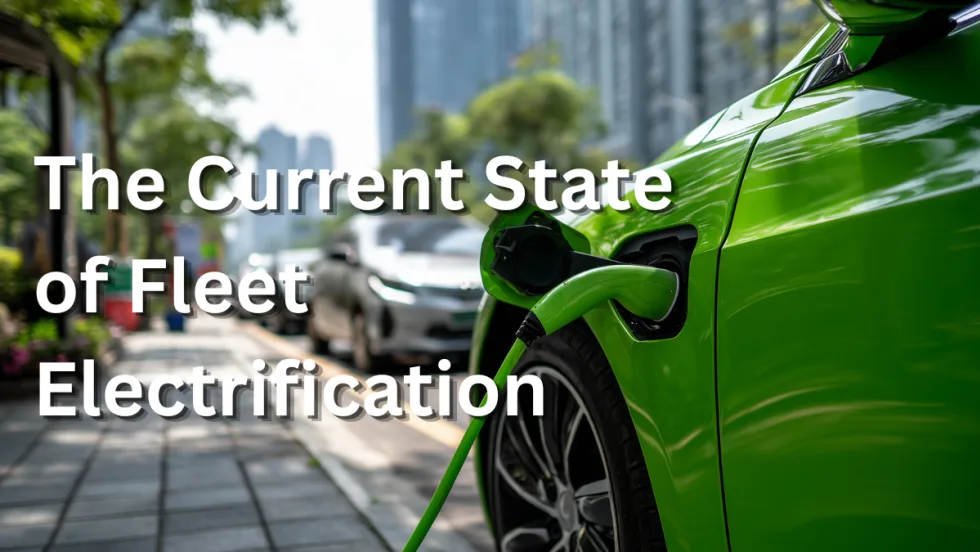
Merchants Fleet Reports 290M EV Miles as Fleets Navigate Changing Electrification Market
From millions in operating savings to hundreds of millions of EV miles, Merchants Fleet’s latest report reveals what’s working and what’s changing in fleet electrification.
Read More →
The EV Breakdown Nobody's Talking About: Why Most Electric Vehicle Roadside Calls Aren't Mechanical Failures
Here's why EV breakdowns are widely misunderstood.
Read More →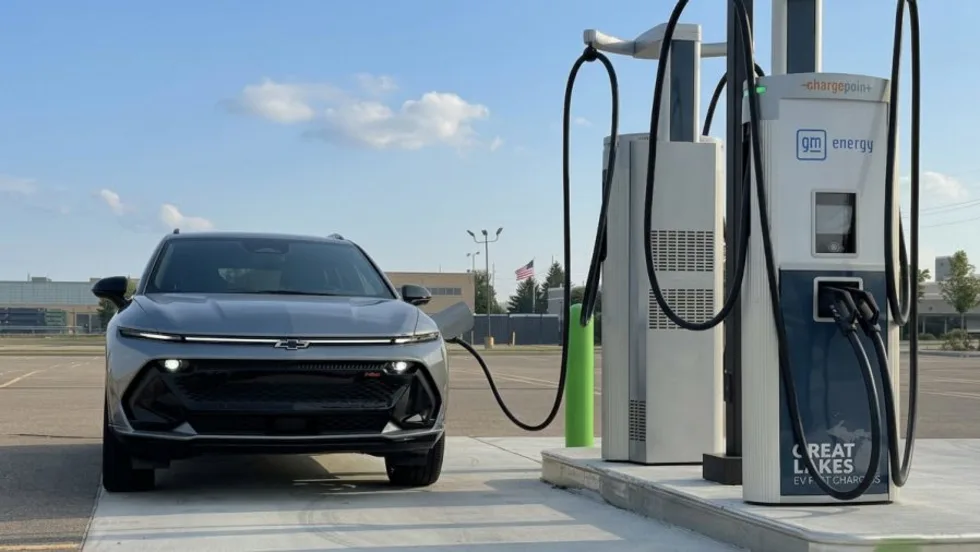
ChargePoint Now Available in Energy Pass
ChargePoint and additional planned charging network integrations were added to GM's Energy Pass.
Read More →

First Look: Slate Auto's Electric Fleet Pickup
Could an affordable, modular EV pickup make electrification more practical for fleets?
Read More →
Slate Debuts Colorful, Unique EV Models
A recent media and client event, studded with electric vehicles dressed up on platforms, planted a new position for the manufacturer in the wider EV market. Fleets will find cost-saving advantages.
Read More →
Slate Electric SUV, Pickup Switchable Model Aims For Light-Duty Fleets
Everything about this EV is counterintuitive and understated, making it stand out from the crowd.
Read More →
Inspiration Mobility Acquires Key Electrada Assets
Inspiration Mobility Group has acquired select assets of Electrada, adding the fleet electrification provider's team, technology, and charging infrastructure development capabilities to its energy management business.
Read More →