





Read More: How Stellantis Is Electrifying Its Dealers
Stellantis North America Announces Executive Changes
William Peffer and Jim Morrison were named as Stellantis' new executives, as the company enters a new chapter in North America.
November 30, 2023
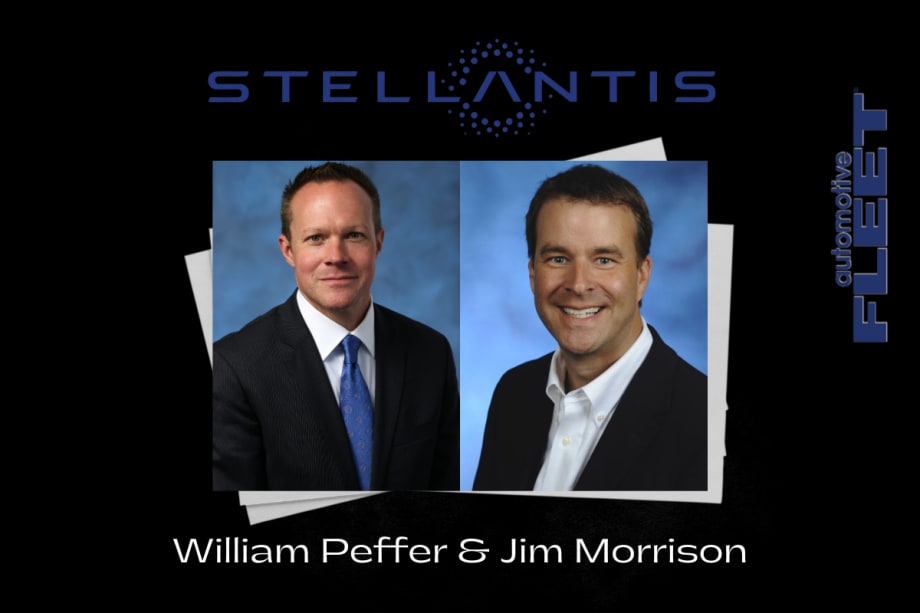
William Peffer is named responsible for Jeep brand North America, while Jim Morrison is named responsible for the newly formed Jeep Performance Parts business.
Photo: Stellantis
1 min to read
Stellantis North America announced on Nov. 30 that it has named two executives to roles in support of the Jeep brand as the region prepares for its electric offensive in 2024. Both moves are effective on Dec. 1.
Stellantis Reveals Changes
William Peffer is named responsible for Jeep brand North America. Peffer joined the Company in 2020 where he has served as CEO of Maserati North America. Previously, he was COO of Kia Motors America.
Jim Morrison is named responsible for the newly formed Jeep Performance Parts business where he will lead the effort to capitalize on growth opportunities.
Morrison previously was head of Jeep North America and has held positions in sales as well as with the Jeep and Ram brands.
“We are entering a new chapter for the region, and I’m confident both Bill and Jim will bring their passion and intense customer focus to their new assignments,” said Mark Stewart, COO of Stellantis North America. “Bill’s deep brand experience will bring a unique and valuable perspective for the Jeep brand as it begins to roll out its electric portfolio next year. Jim’s unbridled passion for Jeep and its capability on and off-road will help to elevate and accelerate our aftermarket business, most importantly with the brand’s electric future just around the corner for our North American customers.”
More Operations

The Next Evolution of Fleet Management: Autonomous Operations
This opening keynote session at the Fleet Forward Conference highlights the future of autonomous driving for fleets.
Read More →
How to Reduce the Total Cost of Risk From Catalytic Converter Theft
A stolen catalytic converter can cost fleets far more in downtime and lost productivity than in repairs. A total-cost-of-risk approach can help fleet managers quantify their exposure and prioritize theft prevention.
Read More →
Personal-Use Charges Rise as Vehicle Values Fall | AF News Recap
Personal-use charges are climbing, wholesale used-vehicle values are declining, and commercial fleet sales growth is slowing. This week, we're breaking down the latest fleet data, plus how Element Fleet Management is helping Waymo prepare for its first Canadian robotaxi market.
Read More →

Here's When You Should Make an Exception to Fleet Policy
Fleet policies are designed to create consistency, but not every driver or situation fits neatly within standard rules.
Read More →
AI-Native or AI-Acquired: What Should Fleet Managers Look for in an AI Platform?
Six questions can help fleet managers look beyond AI marketing claims to evaluate integration, data access, and real-world operational performance.
Read More →
Sponsored•October 14, 2026
A buyer's guide to fleet management software in 2027
Buying fleet management software in 2027 means looking beyond features and price. As fleet operations, technology and expectations evolve, this guide explores what today’s fleet professionals should consider when choosing a system that can deliver value now and adapt to what comes next.
Read More →
What Will Shape the Next Era of Fleet Management?
EVs, AI, and autonomous vehicles are reshaping fleet management. Discover what’s ahead—and how fleet leaders can prepare for the next era.
Read More →
How Fleets Can Recruit and Train Veterans for Technician Roles
Here's how the technician shortage has affected uptime for fleets, and what to do about it.
Read More →
Avis Budget Group Deploys Neology Toll Management Technology Across Major Brands
Neology’s neoFleet platform will manage toll transactions and toll-authority operations for vehicles across Avis, Budget, Payless, Budget Truck and Zipcar.
Read More →
Fleet Personal-Use Charges Edge Higher in 2026
Nearly eight in 10 surveyed fleets allow personal use of company vehicles, while just over half of respondents report charging employees for the privilege.
Read More →