




How Stellantis Is Electrifying Its Dealers
Stellantis has partnered with AGI and Charge Enterprises, Inc. to focus on the transition to electric vehicle sales and service, along with charging infrastructure.

Partnering with Charge and AGI helps Stellantis in its Dare Forward 2030 plan of reaching carbon net zero emissions by 2038.
Photo: Canva/Charge/Stellantis/AGI
Stellantis announced on Aug. 23 its focus on the transition to electric vehicle sales and service. It has partnered with AGI in the hopes that the company’s electrical engineering, project management, fabrication, and maintenance capabilities will provide an additional resource for Stellantis dealers to help accelerate their EV readiness.
The move adds AGI to the Stellantis U.S. roster of EV infrastructure and training partners, including Future Energy and Vehya.
“As we accelerate the drive toward EVs, Stellantis is in full-execution mode with an electrification strategy designed specifically to address the needs of our dealership network,” said Jeff Kommor, head of sales at Stellantis, in a recent news release. “We are working lockstep with our national dealer council to develop and support their long-term plans during this industry-changing transition.”
“AGI has been helping our customers build out EV charging capabilities for nearly a decade, and as one of the leading EVSE providers in the nation we are excited to expand our relationship with Stellantis dealers as an approved, turnkey EV charging solutions provider,” said Dave Clower, senior vice-president and GM of AGI’s electrical lighting and maintenance division.
Charge Enterprises
Stellantis announced its partnership with Charge Enterprises, Inc. on Aug. 28, in which Charge has become an EV charging installation partner for Stellantis’ U.S. dealer network.
Charge becomes the fourth recommended partner for dealer EV readiness for Stellantis dealers across the U.S., joining Future Energy, Vehya, and AGI.
In another step to ready its 2,600-plus dealerships for the automotive industry's electrification plans, Stellantis is partnering with Charge Enterprises to support the implementation of its required timeline.
“As our partners in the automotive industry transition to electric-vehicle sales and service, our goal is to provide our 2,600-plus U.S. dealers with high-quality options that meet their individual EV integration needs within every area of the dealership business,” said Kommor.
As an experienced infrastructure partner, Charge’s client education, project management, design, engineering, and installation will provide a full-service solution for dealers.
"All of the dealers we work with value our dedicated approach and our thoughtful mindset to delivering solutions today while preparing our clients for the EV infrastructure demands of tomorrow," said Mark LaNeve, president of Charge. “We remain committed to helping as many auto dealers throughout the country execute on much-needed EV charging infrastructure as we remain focused on meeting the needs of the Stellantis dealer body, who are doing a great job meeting the needs of their customers.”
Stellantis unveiled its plan for the coming decade, Dare Forward 2030, that will drive further electrification by reaching carbon net zero emissions by 2038, offering more than 25 BEVs by 2030, and preparing for 50% of sales in the U.S. to be battery-electric vehicles by the end of this decade.
More Green Fleet
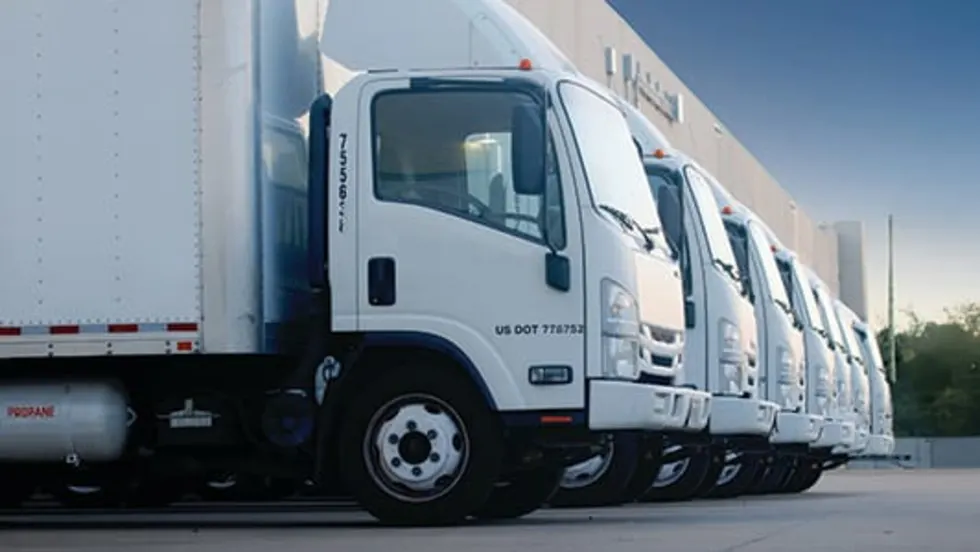
New Propane Autogas Program Offers Fleet Compensation
Qualified commercial fleets can receive $7,500 per eligible propane autogas vehicle and up to $10,000 for new refueling site prep. Learn how the program works and see whether your fleet qualifies.
Read More →
EV Charging Use Is Outpacing Infrastructure Growth
ChargePoint’s 2026 Charging Forward Report points to rising charger use, higher-powered charging, commercial vehicle electrification, and energy-management technology. Here’s what fleets should know.
Read More →
Merchants Fleet Reports 290M EV Miles as Fleets Navigate Changing Electrification Market
From millions in operating savings to hundreds of millions of EV miles, Merchants Fleet’s latest report reveals what’s working and what’s changing in fleet electrification.
Read More →
The EV Breakdown Nobody's Talking About: Why Most Electric Vehicle Roadside Calls Aren't Mechanical Failures
Here's why EV breakdowns are widely misunderstood.
Read More →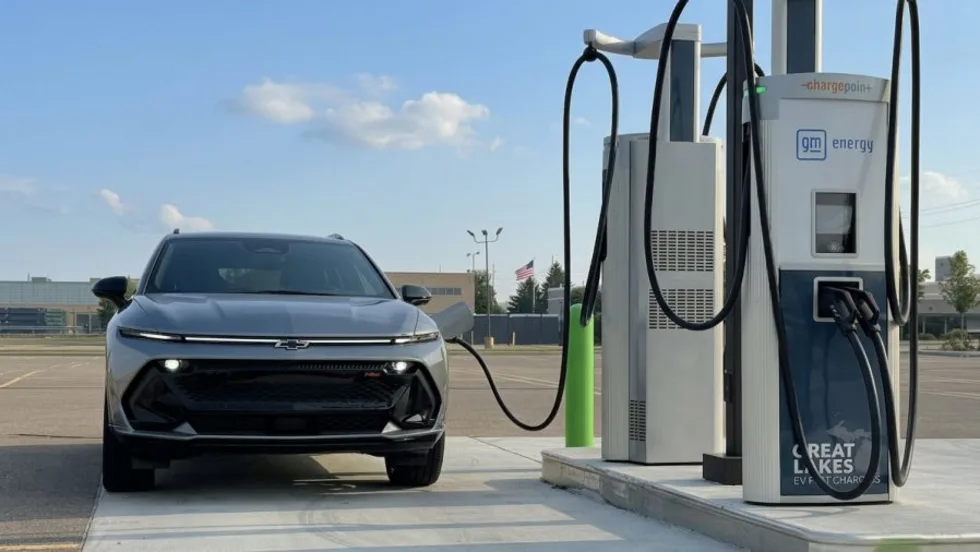
ChargePoint Now Available in Energy Pass
ChargePoint and additional planned charging network integrations were added to GM's Energy Pass.
Read More →

First Look: Slate Auto's Electric Fleet Pickup
Could an affordable, modular EV pickup make electrification more practical for fleets?
Read More →
Slate Debuts Colorful, Unique EV Models
A recent media and client event, studded with electric vehicles dressed up on platforms, planted a new position for the manufacturer in the wider EV market. Fleets will find cost-saving advantages.
Read More →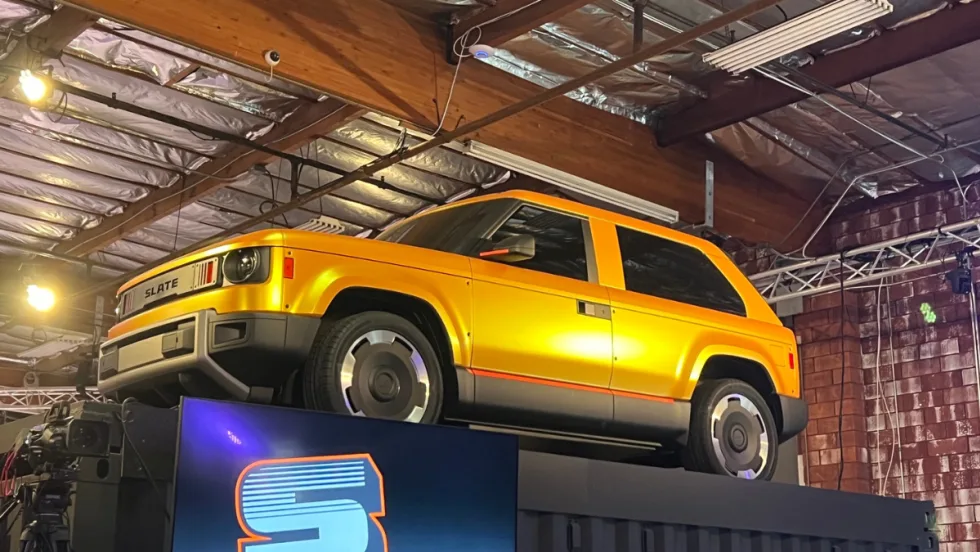
Slate Electric SUV, Pickup Switchable Model Aims For Light-Duty Fleets
Everything about this EV is counterintuitive and understated, making it stand out from the crowd.
Read More →
Inspiration Mobility Acquires Key Electrada Assets
Inspiration Mobility Group has acquired select assets of Electrada, adding the fleet electrification provider's team, technology, and charging infrastructure development capabilities to its energy management business.
Read More →