




State Fleets Are Sidestepping Ethanol Use
WASHINGTON - The state of New Jersey owns more than 2,200 cars and light trucks that run on E-85, a cleaner-burning fuel mix of 85 percent ethanol and 15 percent gasoline.
WASHINGTON - The state of New Jersey owns more than 2,200 cars and light trucks that run on E-85, a cleaner-burning fuel mix of 85 percent ethanol and 15 percent gasoline, according to www.stateline.org. But a state worker in Trenton, N.J., would have to drive nearly 30 miles one-way to get that special fuel in downtown Philadelphia.
New Jersey’s “flex-fuel” vehicles are being run only on dirtier unleaded gasoline because the Garden State is one of seven where there are no state-owned or retail pumps that dispense E-85, including Alaska, Hawaii, Maine, New Hampshire, Rhode Island, and Vermont. Although flex-fuel cars can use conventional gasoline, they emit more carbon dioxide than if they used the mostly ethanol mix.
Nationwide, state governments have bought more than 40,000 flex-fuel vehicles to meet requirements of the federal Energy Policy Act of 1992. The act was intended to reduce the nation’s dependence on foreign oil, but 30 states do not provide E-85 at any state-owned fuel depots, and only 18 states have more than 10 retail sites with the special fuel.
In theory, the 1992 law should have been a boon for ethanol, but states have exploited a loophole: The act does not actually require states use any alternative fuel. When the law was passed, states were required to buy for their fleets a small percentage of alternatively-fueled vehicles and mostly purchased vehicles that ran only on compressed natural gas or propane.
But by the late 1990s, domestic automakers were mass-producing flex-fuel vehicles that could run on gasoline or alternative fuel, and states started snapping them up to meet the law’s growing requirements. These new flex-fuel vehicles also relieved them of using E-85. The federal law required that by 2001, 75 percent of new state vehicles had to be able to run on something besides gasoline, with exceptions for law enforcement cars and heavy equipment, according to www.stateline.org.
Governments and commercial retailers may be unwilling to invest in the equipment to pump ethanol because the national Underwriters Laboratory removed its safety endorsement for E-85 pumps, raising liability concerns for both retailers and government fleets.
Many states are now moving to cut their gasoline use by purchasing hybrid vehicles that get greater efficiency by using electric engine to complement a gasoline-powered motor.
More Green Fleet
EV Charging Use Is Outpacing Infrastructure Growth
ChargePoint’s 2026 Charging Forward Report points to rising charger use, higher-powered charging, commercial vehicle electrification, and energy-management technology. Here’s what fleets should know.
Read More →
Merchants Fleet Reports 290M EV Miles as Fleets Navigate Changing Electrification Market
From millions in operating savings to hundreds of millions of EV miles, Merchants Fleet’s latest report reveals what’s working and what’s changing in fleet electrification.
Read More →
The EV Breakdown Nobody's Talking About: Why Most Electric Vehicle Roadside Calls Aren't Mechanical Failures
Here's why EV breakdowns are widely misunderstood.
Read More →
ChargePoint Now Available in Energy Pass
ChargePoint and additional planned charging network integrations were added to GM's Energy Pass.
Read More →
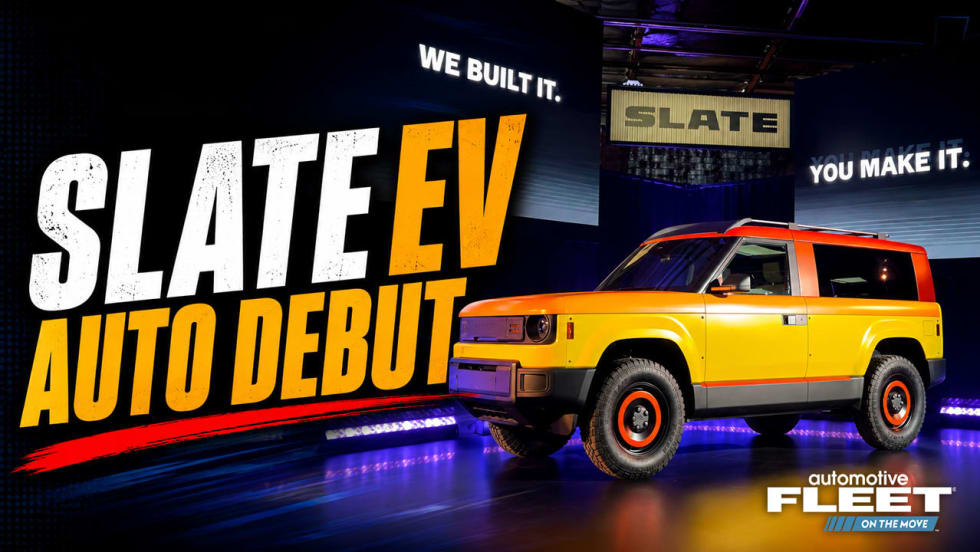
First Look: Slate Auto's Electric Fleet Pickup
Could an affordable, modular EV pickup make electrification more practical for fleets?
Read More →
Slate Debuts Colorful, Unique EV Models
A recent media and client event, studded with electric vehicles dressed up on platforms, planted a new position for the manufacturer in the wider EV market. Fleets will find cost-saving advantages.
Read More →
Slate Electric SUV, Pickup Switchable Model Aims For Light-Duty Fleets
Everything about this EV is counterintuitive and understated, making it stand out from the crowd.
Read More →
Inspiration Mobility Acquires Key Electrada Assets
Inspiration Mobility Group has acquired select assets of Electrada, adding the fleet electrification provider's team, technology, and charging infrastructure development capabilities to its energy management business.
Read More →
Turning Connected Vehicle Data Into Decisions That Matter
Fleet leaders have more data than ever, but turning that data into clear, actionable decisions remains a challenge. This white paper shows how leading organizations are using connected vehicle data to improve safety, reduce costs, and optimize fleet performance. Learn how to turn insight into action across your fleet.
Read More →