




Standards Groups Collaborate to Advance EV Infrastructure
WARRENDALE, PA – As a result of the new strategic partnership with the IEEE Standards Association (IEEE-SA) SAE International said it is making considerable progress on development of a prototype charging coupler.
WARRENDALE, PA – As a result of the new strategic partnership with the IEEE Standards Association (IEEE-SA) SAE International said it is making considerable progress on development of a prototype charging coupler.
SAE International said that early next year it plans to establish a standard, integrated coupler that would allow electric vehicles and plug-in hybrid electric vehicles (EVs/PHEVs) to be charged from either a conventional 15-amp AC wall outlet or a DC connector of up to 90 kilowatts.
The SAE J1772 “Electric Vehicle and Plug In Hybrid Electric Vehicle Conducive Charge Coupler” standard -- agreed to in 2009 and officially published by SAE International in January 2010 -- is the world’s first industry-consensus standard to provide critical guidelines for safety, charging control and connectors used to charge EVs/PHEVs. Automakers including Ford, General Motors, Honda, Nissan and Toyota have adopted SAE J1772.
The in-development SAE J1772 combo solution would take another leap toward stabilizing and unifying the global market for manufacturers of EVs/PHEVs, SAE International said. The standard is planned to enable both AC and DC Level 1 and faster Level 2 charging all via a single vehicle inlet for the first time. Manufacturers would be able to leverage one coupler in EVs/PHEVs for all markets, regardless of the differences in electrical systems and charging locations from country to country.
Integrating the different types of charging functionality would also greatly enhance the convenience of operating such a vehicle, SAE International said.
SAE J1772 goes further still, by defining communications between an EV/PHEV and off-board charger and the smart grid. Power line communications (PLC) is defined in SAE J1772 as the technology for enabling these vehicle-to-grid (V2G) communications, without requiring changes such as the addition of another pin to the coupler architecture.
That’s where IEEE comes in. PLC implementations from both the HD-PLC Alliance and HomePlug Powerline Alliance are based on IEEE 1901-2010, an advanced broadband over powerline (BPL) standard. And the IEEE 1901 inter-system protocol (ISP) prevents interference when the different PLC implementations are operated within close proximity of one another.
The drive toward an SAE J1772 combo solution illustrates the need for the strategic partnership recently forged by the IEEE-SA and SAE International -- and, more broadly, the coordination across historically disparate technology spaces and organizations that is demanded by the Smart Grid, SAE International said.
Another example is the ongoing IEEE P2030.1 “Guide for Electric-Sourced Transportation Infrastructure” standards project. Work is being carried out by four task forces -- vehicle technology (including charging systems), electric grid (from generation to consumer), roadmap (including privacy and roaming) and communication/cyber security -- and then integrated within the full working group for broader discussion and input.
The Smart Grid effort is different in the sweep of technologies, industries and markets that it touches. For manufacturers, utilities, governments and consumers to realize the Smart Grid’s benefits as quickly and cost-effectively as possible, the global standards community must operate cooperatively to logically integrate the work across technology spaces.
In the past, standards-development organizations (SDOs) tended to work chronologically -- one after another, almost in a vacuum from one another.
But, if an SDO missed a development in a related industry while working on its own standard for the Smart Grid, that SDO could be sending its stakeholders in the wrong direction -- or in the right direction but much more slowly than is necessary. There are so many tentacles and the velocity of development is so great, that the Smart Grid demands a new, more coordinated mode.
The IEEE-SA/SAE International partnership in vehicular technology related to the Smart Grid -- confirmed by a memorandum of understanding (MOU) signed in February 2011 -- is designed to accelerate more meaningful standards that drive greater improvements in market access, cost reductions and technological innovation. As part of the partnership, IEEE-SA and SAE International said they are sharing with one another their draft standards related to the Smart Grid and vehicle electrification.
More Green Fleet
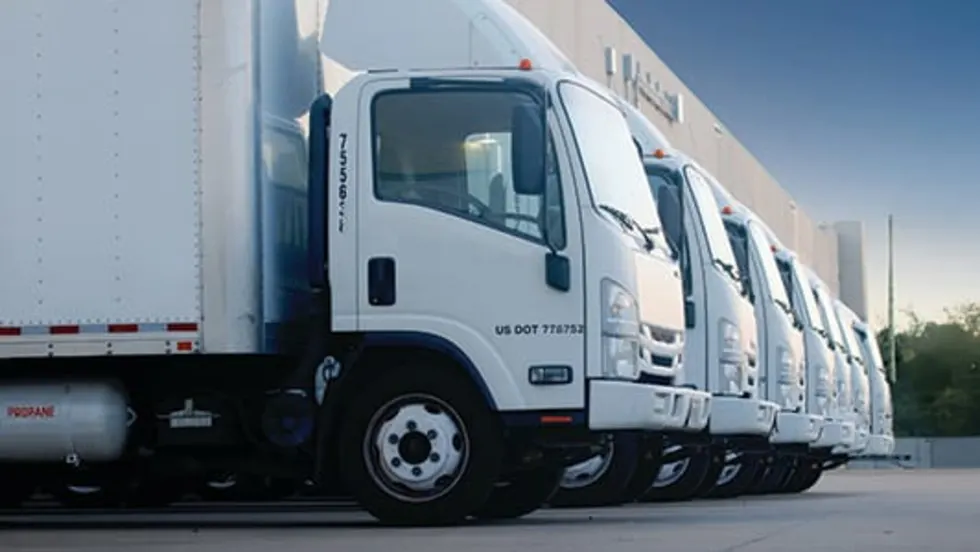
New Propane Autogas Program Offers Fleet Compensation
Qualified commercial fleets can receive $7,500 per eligible propane autogas vehicle and up to $10,000 for new refueling site prep. Learn how the program works and see whether your fleet qualifies.
Read More →
EV Charging Use Is Outpacing Infrastructure Growth
ChargePoint’s 2026 Charging Forward Report points to rising charger use, higher-powered charging, commercial vehicle electrification, and energy-management technology. Here’s what fleets should know.
Read More →
Merchants Fleet Reports 290M EV Miles as Fleets Navigate Changing Electrification Market
From millions in operating savings to hundreds of millions of EV miles, Merchants Fleet’s latest report reveals what’s working and what’s changing in fleet electrification.
Read More →
The EV Breakdown Nobody's Talking About: Why Most Electric Vehicle Roadside Calls Aren't Mechanical Failures
Here's why EV breakdowns are widely misunderstood.
Read More →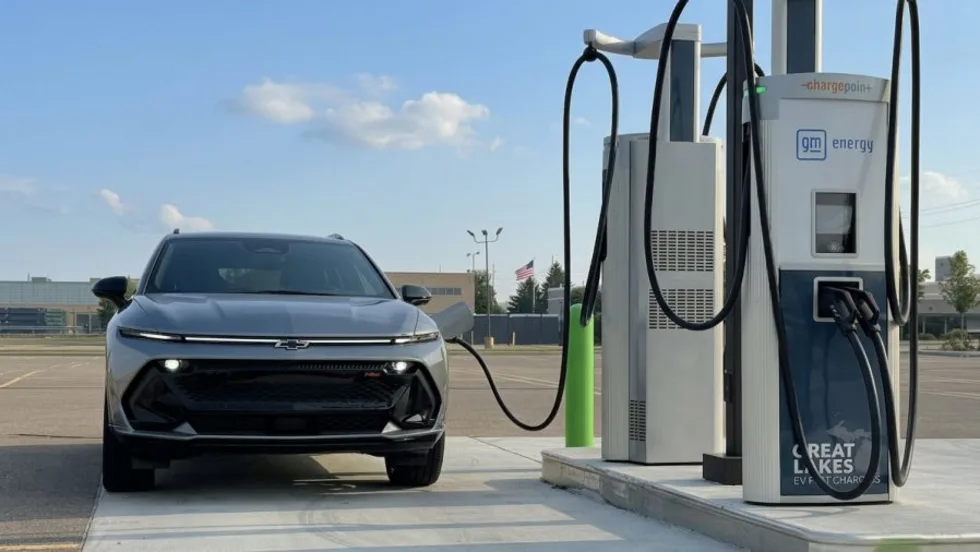
ChargePoint Now Available in Energy Pass
ChargePoint and additional planned charging network integrations were added to GM's Energy Pass.
Read More →
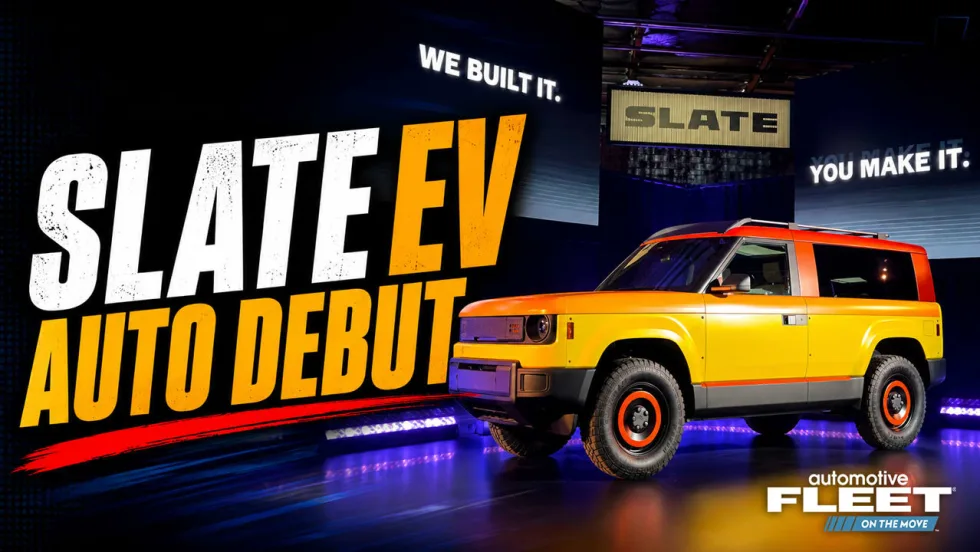
First Look: Slate Auto's Electric Fleet Pickup
Could an affordable, modular EV pickup make electrification more practical for fleets?
Read More →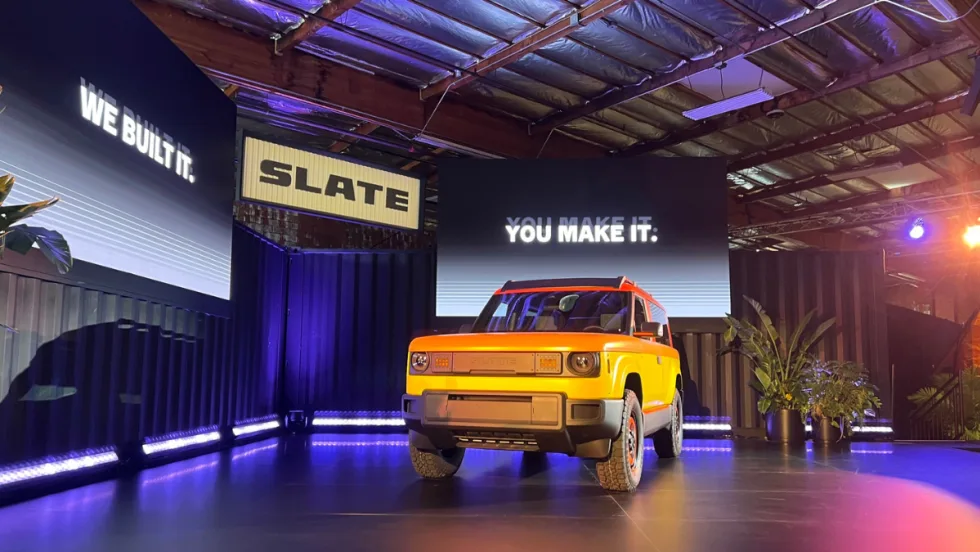
Slate Debuts Colorful, Unique EV Models
A recent media and client event, studded with electric vehicles dressed up on platforms, planted a new position for the manufacturer in the wider EV market. Fleets will find cost-saving advantages.
Read More →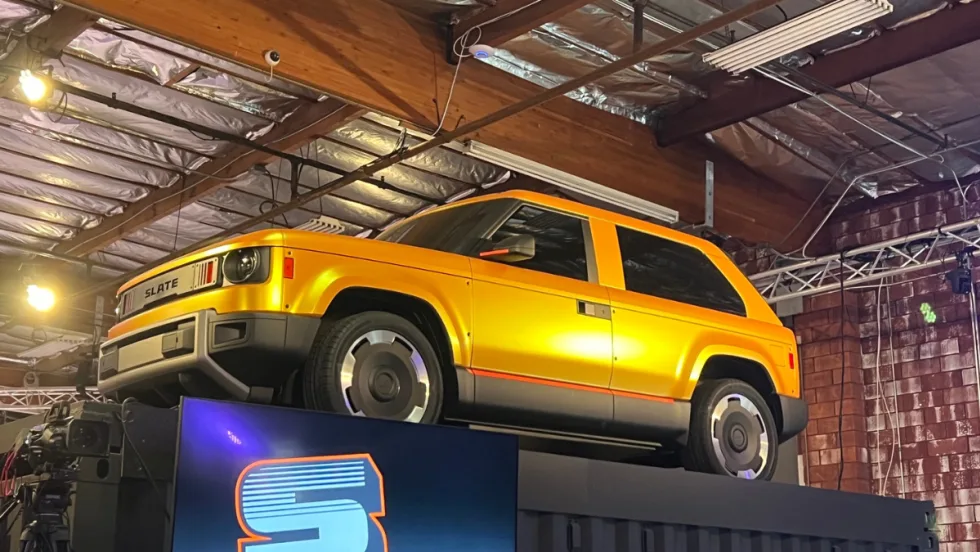
Slate Electric SUV, Pickup Switchable Model Aims For Light-Duty Fleets
Everything about this EV is counterintuitive and understated, making it stand out from the crowd.
Read More →
Inspiration Mobility Acquires Key Electrada Assets
Inspiration Mobility Group has acquired select assets of Electrada, adding the fleet electrification provider's team, technology, and charging infrastructure development capabilities to its energy management business.
Read More →