




Seat Belt Usage Up in 37 States
WASHINGTON, D.C. — Seat-belt-use rates increased in 37 states this year, a fact that federal highway safety officials attribute to increased awareness and police enforcement, according to a report by the Associated Press on November 23.
WASHINGTON, D.C. — Seat-belt-use rates increased in 37 states this year, a fact that federal highway safety officials attribute to increased awareness and police enforcement, according to a report by the Associated Press on November 23. Arizona and Hawaii achieved seat-belt-use rates of more than 95 percent, the highest ever reported, the National Highway Traffic Safety Administration said. The national seat-belt-use rate in 2004 was 80 percent, also an all-time high. Mississippi improved its seat belt use rate by 1.6 percent but still had the lowest rate in the nation at 63.2 percent. Massachusetts, Arkansas and South Carolina were the only other states with belt use rates at 65 percent or lower. NHTSA Administrator Dr. Jeffrey Runge said seat belt advertising campaigns combined with police enforcement have helped boost the numbers. Most states collected their data in June, shortly after a $30 million national advertising campaign. Primary seat-belt laws, which allow police to stop a motorist for not wearing a seat belt, also may have helped increase usage levels, NHTSA said. Tennessee, which passed a primary belt law in July 2004, saw its belt use rise from 68.5 percent in 2003 to 72 percent in 2004. Still, the contribution of primary belt laws appears to be mixed. Arizona, with the highest usage rate of 95.3 percent, doesn´t have a primary seat-belt law; the other five states with usage rates of more than 90 percent — California, Hawaii, Michigan, Oregon, and Washington — have them. Puerto Rico, which had a usage rate of 90.1 percent, also has a primary belt law.
More Operations

Slate Debuts Colorful, Unique EV Models
A recent media and client event, studded with electric vehicles dressed up on platforms, planted a new position for the manufacturer in the wider EV market. Fleets will find cost-saving advantages.
Read More →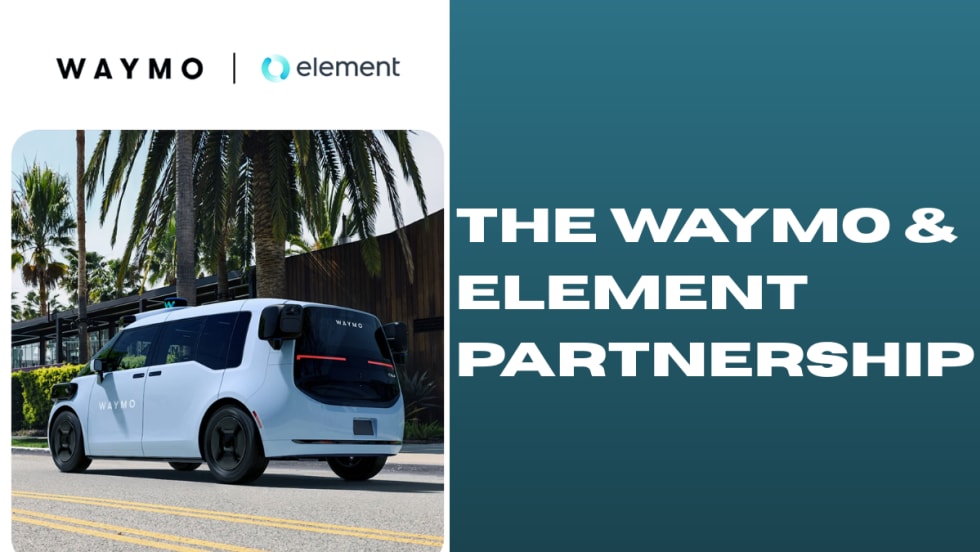
Element, Waymo Partner on Autonomous Fleet Operations
The multi-year agreement will support fleet management services for Waymo's autonomous ride-hailing operations, beginning in San Diego.
Read More →
Slate Electric SUV, Pickup Switchable Model Aims For Light-Duty Fleets
Everything about this EV is counterintuitive and understated, making it stand out from the crowd.
Read More →
How to Manage Conflict for Your Fleet Operations
Conflict management is becoming a core leadership skill. Here are five strategies fleet leaders should know.
Read More →
Turning Connected Vehicle Data Into Decisions That Matter
Fleet leaders have more data than ever, but turning that data into clear, actionable decisions remains a challenge. This white paper shows how leading organizations are using connected vehicle data to improve safety, reduce costs, and optimize fleet performance. Learn how to turn insight into action across your fleet.
Read More →
Cameras, Safety and Insurance: From Reactive Claims to Real-time Prevention
Commercial auto remains one of the most challenging and costly lines of coverage for fleet operators and insurers alike. Learn more about how to effectively address these issues from Onur Aksan, Enterprise Business Development Executive, Geotab.
Read More →
Are You Tracking Your Fleet's True Total Cost of Ownership?
Bobit Business Media surveyed 190 fleet professionals and found that while most fleets are tracking costs, fragmented systems and data gaps are keeping true TCO visibility out of reach. With rising pressure to control spend in an increasingly volatile environment, the gap between what fleets think they know and what the data actually shows is wider than you might expect. See how your peers are managing costs today and where the industry still has room to improve.
Read More →
Turn Fleet Data Into Smarter Decisions
Fleet leaders have access to more operational data than ever, but disconnected systems and unclear metrics often slow decision-making instead of improving it. This whitepaper outlines five practical steps fleets can take to transform fragmented data into actionable insights that improve planning, safety, utilization, and long-term performance.
Read More →
Hybrids: Electrification Without the Challenges
For fleet managers, fuel is one of the biggest line items in the budget — and it's one hybrids can shrink without changing how your people work. Download the eBook to see the numbers, understand the technology, and get a step-by-step guide to making the switch.
Read More →
How NOV Uses Telematics to Improve Fleet Safety Across 160 Locations
James Victory of NOV discusses how the company manages fleet safety, maintenance, and telematics across more than 150 locations supporting oilfield operations throughout the U.S.
Read More →