




Sears' Fuel-Saving Solution Improved Fleet Fuel Economy by 10.5% in Test
HOFFMAN ESTATES, IL - Sears In Home Services division is using a technology that adjusts fleet vehicle engine parameters to reduce fuel consumption.
HOFFMAN ESTATES, IL – Sears In Home Services Division, a division of Sears Holding Corp, is rolling out a fuel-saving solution across its fleet of 4,500 vehicles. Sears partnered with SCT Fleet Solutions in a six-week pilot program. According to SCT, Sears saw a 10.5-percent improvement in its E-Series vans' fuel economy during that trial period.
SCT’s technology sets a maximum top speed (defined by the fleet manager) for a given vehicle, adjust the engine’s RPM when idling and cruising, and modifies the vehicle’s shift patterns to reduce fuel consumption.
More than 2,500 vehicles in Sears’ fleet have been equipped with SCT’s technology, and the remaining 2,000 vehicles are slated to be equipped during the next few months.
Sears has a total fleet size of 11,000-plus owned and leased vehicles, which includes Ford, GM, and Chrysler models. Approximately 750 of these vehicles are E-85-fueled GM vans.
Other initiatives that Sears has implemented include a no-idling policy for all vehicles handling business operations at Sears Holdings Logistics Services (SLS) distribution facilities. The company also participates in the EPA SmartWay program, and the L.A. Clean Truck Program, which requires containers picked up at the Long Beach or L.A. ports to be carried by trucks that meet 2007 emissions standards.
More Fuel
Fuel Prices Surge in September | September Fuel Update
September brought major fuel price swings, including diesel crossing $6 a gallon. Here’s how gas and diesel prices changed throughout the month, and where they stood heading into October.
Read More →
Turning Fleet Payment Data into Executive Insights
Ramel Lindsay of U.S. Bank Voyager discusses how fleets can transform payment and transaction data into actionable intelligence to reduce costs, improve oversight, and support executive decision-making.
Read More →
Why the IRS Raised Its Mileage Rate in the Middle of 2026
Fuel-price volatility drove the rare increase to 76 cents per mile, the fifth midyear adjustment since 2000.
Read More →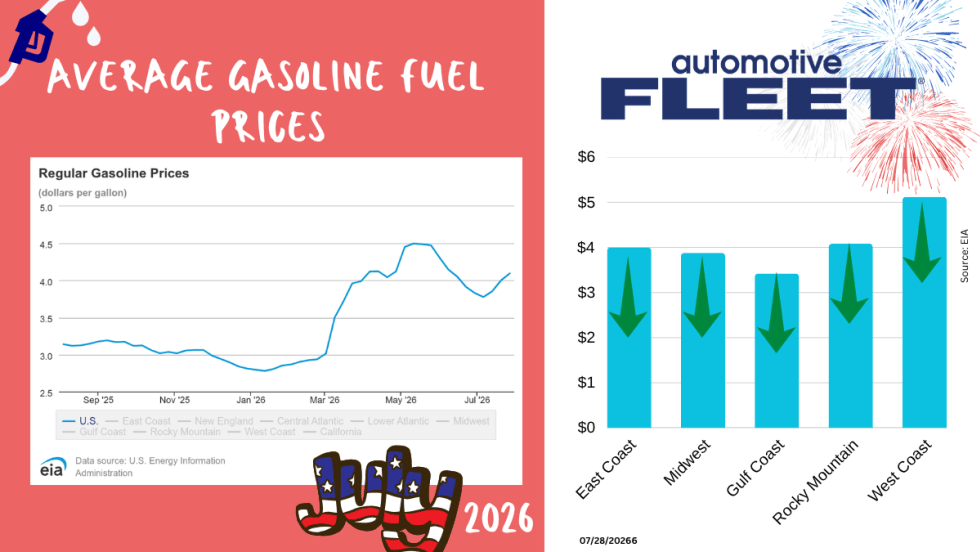
July Fuel Update: Prices Keep Rising in Light of More Conflict
Gas prices continue to rise as more and more conflicts do, too.
Read More →
Bob Adamsky on Fuel Volatility: "Don't Panic, Have a Plan."
When it comes to up and down fuel prices, Adamsky has a message for fleets: “Don’t panic.”
Read More →
How Fleets Can Gain Control of Non-Fuel Spend
Fuel often gets the spotlight, but non-fuel expenses can have a major impact on fleet costs. Ramel Lindsay of U.S. Bank Voyager discusses how fleets can gain better visibility and control over these often-overlooked expenditures.
Read More →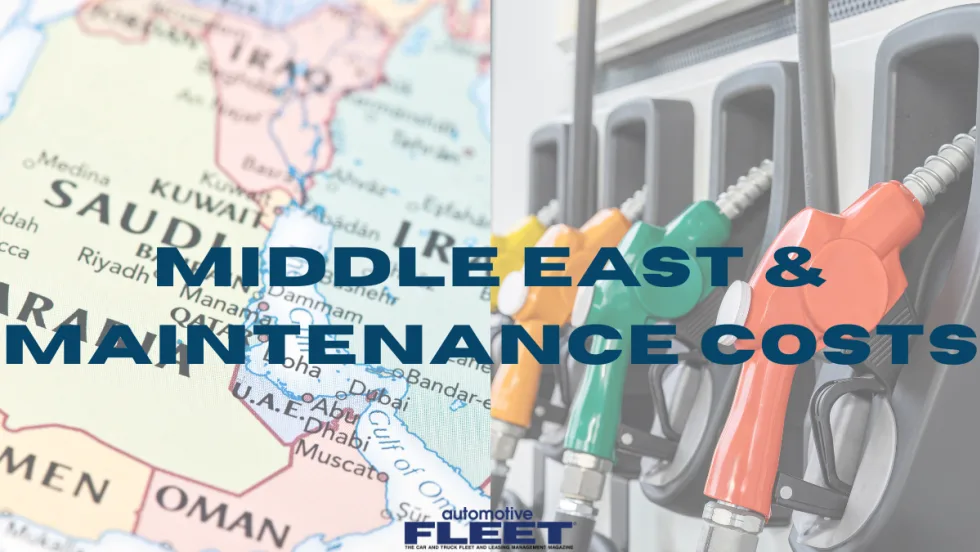
Fuel is Just the Start: How Middle East Tensions are Driving Up Fleet Maintenance Costs
The Middle East conflict is doing more than pushing up fuel prices. It’s also raising the cost of key maintenance products your fleet depends on, from motor oil to tires to windshield wipers. Here’s what you need to know about this budget-busting situation.
Read More →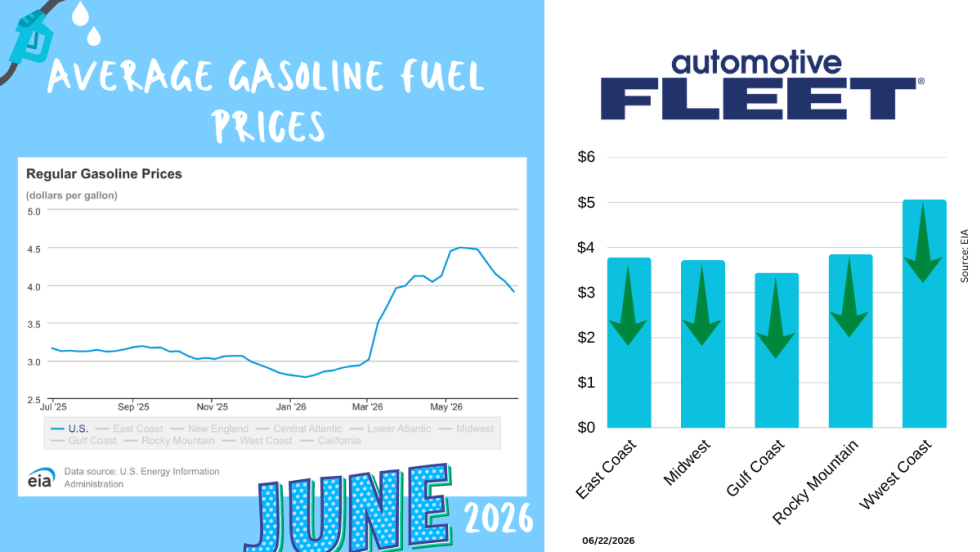
June Fuel Update: Prices Fall Below $4
Drivers are finally getting some relief at the pump. The national average gas price has dropped below $4 a gallon for the first time in months, with prices falling in 47 states as oil markets react to developments in U.S.-Iran negotiations.
Read More →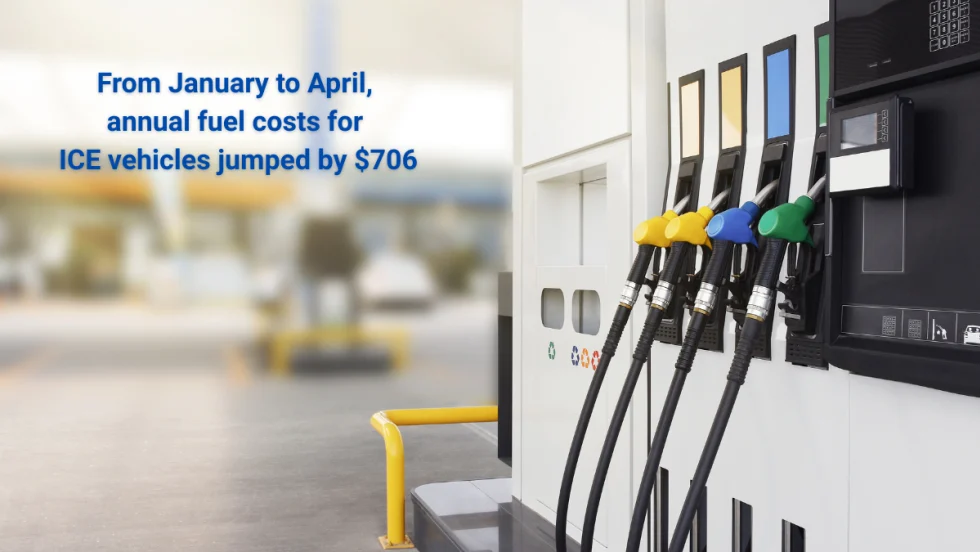
Study: How 2026's Gas Price Hikes Affect Different Vehicle Types
New data from iSeeCars reveals how rising fuel costs have affected different vehicle segments as gasoline prices climbed nearly 46% over the past four months.
Read More →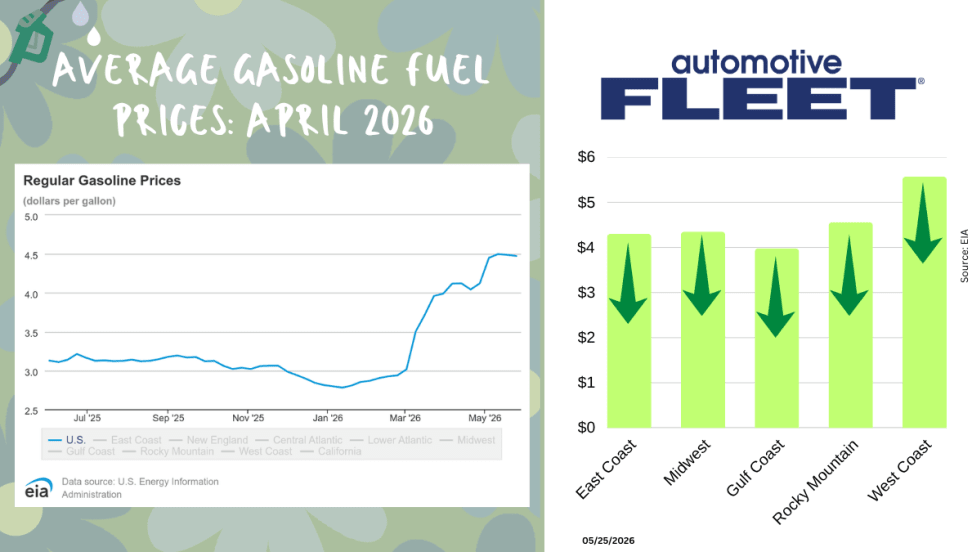
May Fuel Update: All Regions Experience Declines
Gas prices are finally easing in much of the country, but experts warn global tensions could quickly reverse the trend as the national average remains well above last month’s levels.
Read More →