




Searching for ZAP's Fleet of No-Show Green Cars
SANTA ROSA, CA – In September 2006, Ehab Youssef, an intellectual property lawyer in San Jose, California, was shopping for a new car. With gas prices surging above $3 a gallon, Youssef and his wife were looking to offset their Toyota Land Cruiser with something more fuel-efficient.
SANTA ROSA, CA – In September 2006, Ehab Youssef, an intellectual property lawyer in San Jose, California, was shopping for a new car. With gas prices surging above $3 a gallon, Youssef and his wife were looking to offset their Toyota Land Cruiser with something more fuel-efficient. One day, while researching vehicles on the Web, he came across ZAP Corporation, according to Wired News.
ZAP was selling the Xebra, an electric three-wheel buggie imported from China. The Xebra wasn't quite ready to take on the freeways of Silicon Valley, but it cost less than $10,000. Then there was the Obvio 828, a vehicle from Brazil capable of running on pure ethanol. It was expected to reach showrooms in 2007. ZAP also had a $99,000 fuel-cell vehicle called the Worldcar in the pipeline, and the company said it would soon be selling the Smart Fortwo — the dramatically designed, Mercedes-engineered micro-vehicle from DaimlerChrysler. The Fortwo ran on gasoline but got 37 miles to the gallon and fit in nicely with ZAP's eco line.
Youssef also learned about the company's planned supercar, ZAP-X, from ZAP's chair, Gary Starr, when he visited the company's headquarters that fall. The all-electric crossover SUV would not only produce 644 horsepower, rocketing it from 0-60 miles per hour in a Ferrari-esque 4.8 seconds, but would travel 350 miles on a single 10-minute charge.
In November, Youssef and his wife bought a ZAP franchise territory covering most of Los Gatos, a wealthy town near San Jose. The cost was $100,000.
However, Youssef soon faced one disappointment after another. First, when he went to ZAP headquarters to pick up the new Smart car he intended to drive as his personal vehicle, it wasn't ready. DaimlerChrysler had told ZAP more than a year earlier that it wouldn't sell the California company any of its vehicles. Then Youssef learned that the Obvio would not be available anytime soon. Next, he discovered that the all-electric Xebra sedan did not come close to achieving the 40-mph speed and 40-mile range ZAP claimed. It stalled on steep hills and, worst of all, had a range of less than 20 miles.
Of course, there was always the ZAP-X. But Youssef was soon told that the vehicle may never come.
More Green Fleet

EV Charging Use Is Outpacing Infrastructure Growth
ChargePoint’s 2026 Charging Forward Report points to rising charger use, higher-powered charging, commercial vehicle electrification, and energy-management technology. Here’s what fleets should know.
Read More →
Merchants Fleet Reports 290M EV Miles as Fleets Navigate Changing Electrification Market
From millions in operating savings to hundreds of millions of EV miles, Merchants Fleet’s latest report reveals what’s working and what’s changing in fleet electrification.
Read More →
The EV Breakdown Nobody's Talking About: Why Most Electric Vehicle Roadside Calls Aren't Mechanical Failures
Here's why EV breakdowns are widely misunderstood.
Read More →
ChargePoint Now Available in Energy Pass
ChargePoint and additional planned charging network integrations were added to GM's Energy Pass.
Read More →

First Look: Slate Auto's Electric Fleet Pickup
Could an affordable, modular EV pickup make electrification more practical for fleets?
Read More →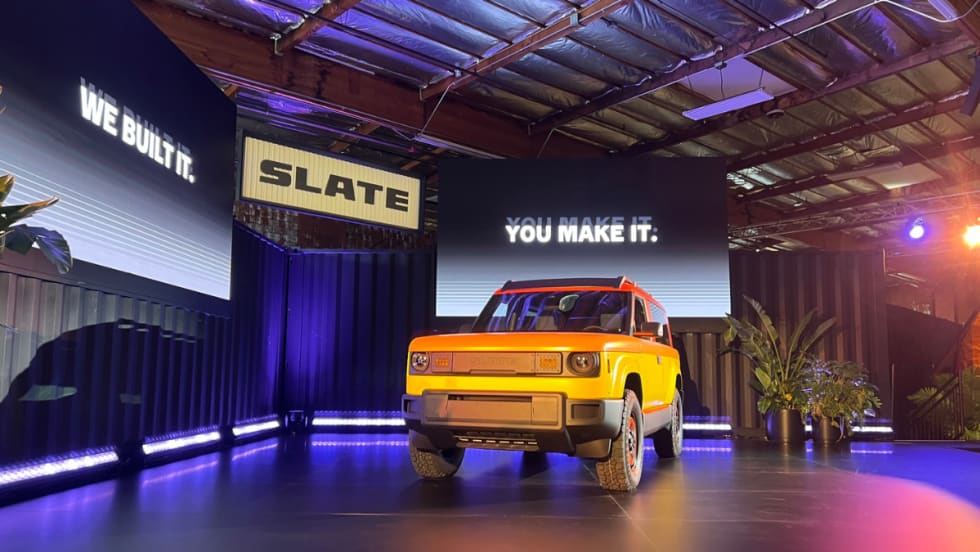
Slate Debuts Colorful, Unique EV Models
A recent media and client event, studded with electric vehicles dressed up on platforms, planted a new position for the manufacturer in the wider EV market. Fleets will find cost-saving advantages.
Read More →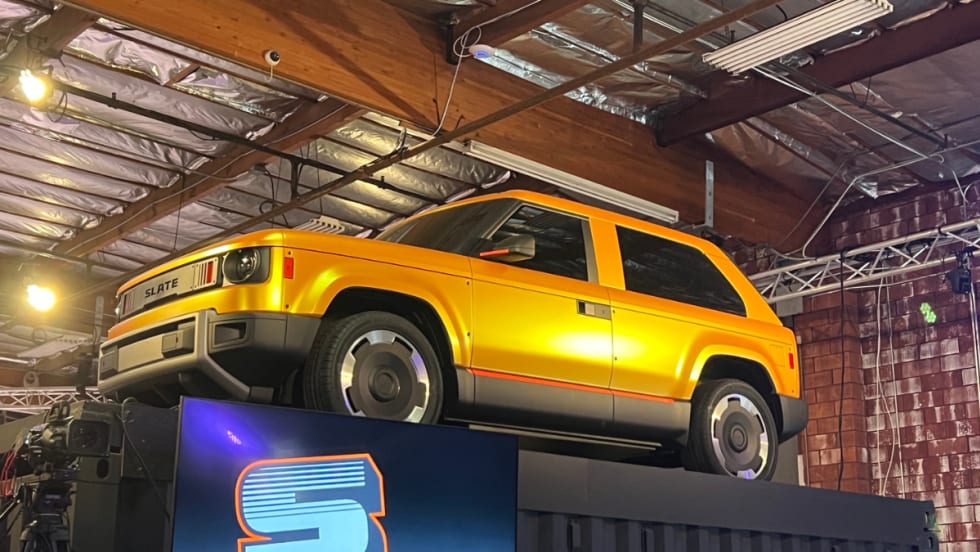
Slate Electric SUV, Pickup Switchable Model Aims For Light-Duty Fleets
Everything about this EV is counterintuitive and understated, making it stand out from the crowd.
Read More →
Inspiration Mobility Acquires Key Electrada Assets
Inspiration Mobility Group has acquired select assets of Electrada, adding the fleet electrification provider's team, technology, and charging infrastructure development capabilities to its energy management business.
Read More →
Turning Connected Vehicle Data Into Decisions That Matter
Fleet leaders have more data than ever, but turning that data into clear, actionable decisions remains a challenge. This white paper shows how leading organizations are using connected vehicle data to improve safety, reduce costs, and optimize fleet performance. Learn how to turn insight into action across your fleet.
Read More →