




Schwan's Adds 600 Propane Autogas Vans for Grocery Delivery
Schwan's Home Service, Inc., deployed 200 Roush CleanTech E-450 cutaways with plans to lease an additional 400 units by the end of 2018, totaling 600 vehicles.


Schwan's unveiled its newest propane-autogas Ford E-450 at the ACT Expo in Long Beach, Calif. (Photo courtesy of Roush CleanTech)
Photo courtesy of ROUSH CleanTech
Schwan’s Home Service, Inc., continues its decades-long commitment to clean-burning propane autogas vehicles. The company deployed 200 Roush CleanTech E-450 cutaways with plans to lease an additional 400 units by the end of 2018, totaling 600 vehicles.
“Propane-powered vehicles have played a key role in Schwan’s product delivery for more than 40 years,” said Danielle Stariha, senior manager of fleet and procurement for Schwan’s Home Service. “Total costs of ownership for propane autogas is much lower than traditional fuels and other alternative technologies, which is why we are continually implementing the newest propane technology.”
Schwan’s Home Service will take delivery of its first 200 Ford E-450 cutaway vehicles in May. Each frozen food delivery truck is equipped with a Ford 6.8L V-10 engine and a ROUSH CleanTech propane autogas fuel system.
According to Roush, each Ford E-450 propane autogas truck emits about 91,000 fewer pounds of carbon dioxide emissions over its lifetime than a gasoline-powered vehicle. Propane autogas is a low carbon fuel that reduces greenhouse gases by up to 25%, carbon monoxide by up to 60%, and nitrogen oxide by 20% compared to gasoline.
“Propane-powered vehicles are much quieter than equivalent diesel-powered vehicles, which leads to higher driver satisfaction,” said Ron Moore, vice president of warehouse and fleet operations for Schwan’s Home Service. “We deliver across the U.S., in various climates, conditions, and terrains, and our drivers are excited about the ROUSH CleanTech-powered E-450 chassis.”
The food delivery fleet unveiled its new propane autogas vehicles at the Advanced Clean Transportation (ACT) Expo in Long Beach, Calif.
Related: Closer Look at Schwan's Preventive Maintenance Plan
Originally posted on Work Truck Online
More Green Fleet
EV Charging Use Is Outpacing Infrastructure Growth
ChargePoint’s 2026 Charging Forward Report points to rising charger use, higher-powered charging, commercial vehicle electrification, and energy-management technology. Here’s what fleets should know.
Read More →
Merchants Fleet Reports 290M EV Miles as Fleets Navigate Changing Electrification Market
From millions in operating savings to hundreds of millions of EV miles, Merchants Fleet’s latest report reveals what’s working and what’s changing in fleet electrification.
Read More →
The EV Breakdown Nobody's Talking About: Why Most Electric Vehicle Roadside Calls Aren't Mechanical Failures
Here's why EV breakdowns are widely misunderstood.
Read More →
ChargePoint Now Available in Energy Pass
ChargePoint and additional planned charging network integrations were added to GM's Energy Pass.
Read More →

First Look: Slate Auto's Electric Fleet Pickup
Could an affordable, modular EV pickup make electrification more practical for fleets?
Read More →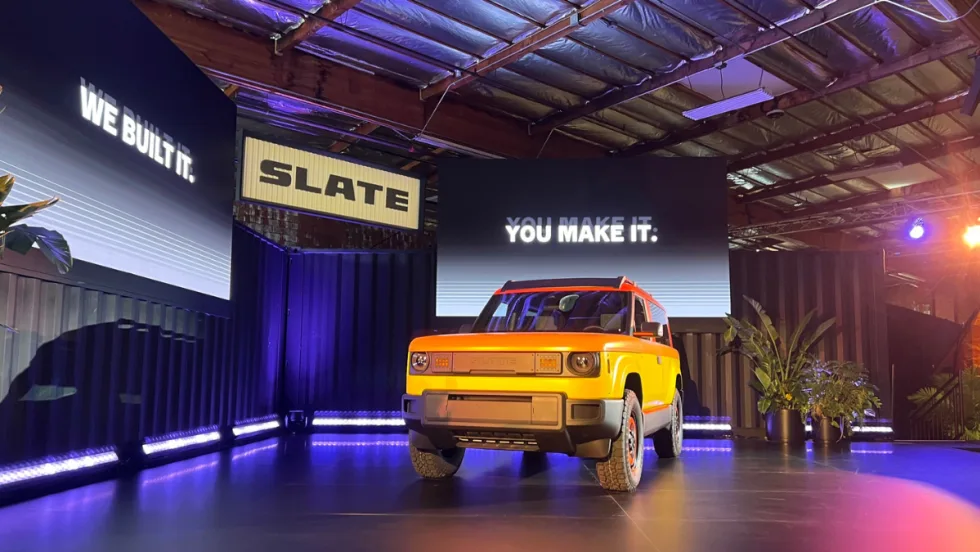
Slate Debuts Colorful, Unique EV Models
A recent media and client event, studded with electric vehicles dressed up on platforms, planted a new position for the manufacturer in the wider EV market. Fleets will find cost-saving advantages.
Read More →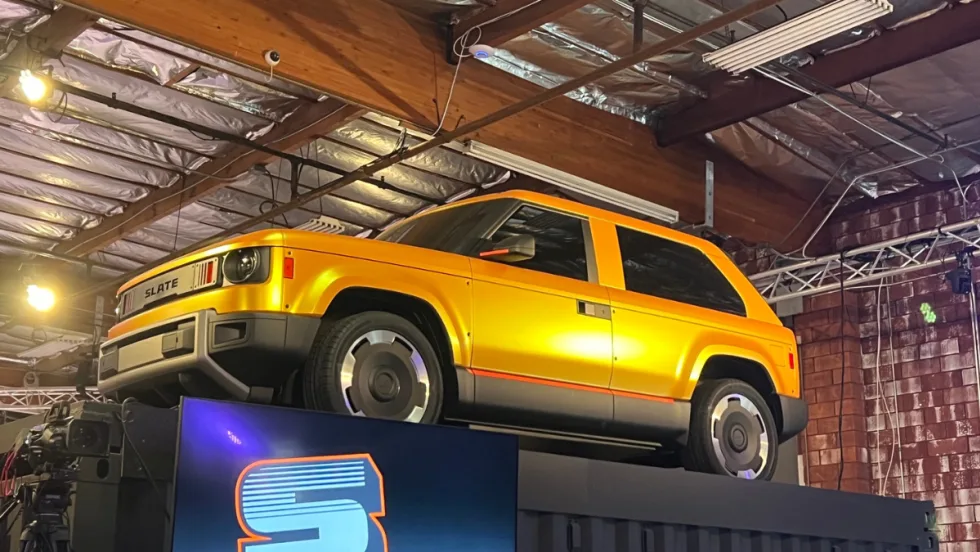
Slate Electric SUV, Pickup Switchable Model Aims For Light-Duty Fleets
Everything about this EV is counterintuitive and understated, making it stand out from the crowd.
Read More →
Inspiration Mobility Acquires Key Electrada Assets
Inspiration Mobility Group has acquired select assets of Electrada, adding the fleet electrification provider's team, technology, and charging infrastructure development capabilities to its energy management business.
Read More →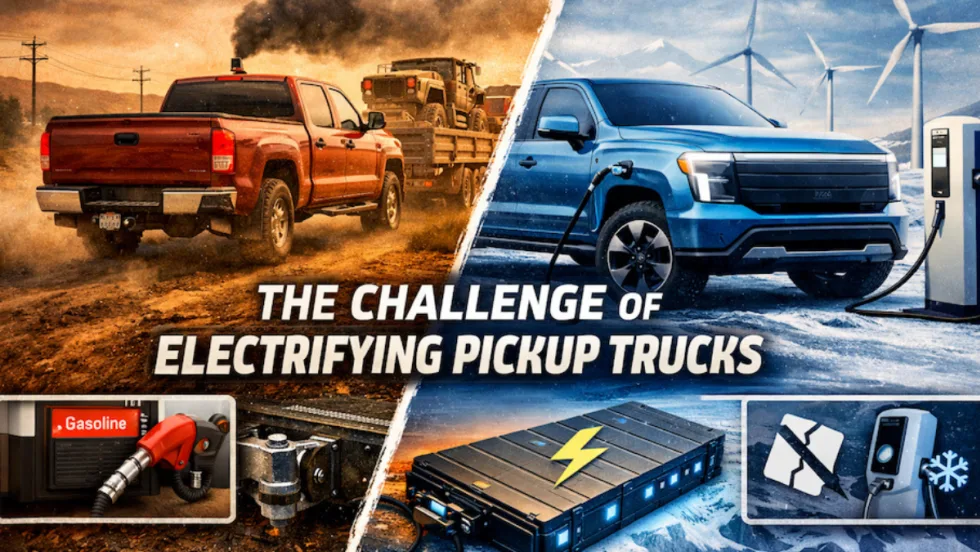
Why America’s Most Popular Vehicle is So Hard to Electrify
Turning America’s favorite workhorse electric means balancing range, payload, charging infrastructure, and price, an equation automakers are still trying to solve.
Read More →