




San Francisco Tests New Plug-In Hybrids
SAN FRANCISCO - San Francisco Mayor Gavin Newsom announced August 25 a partnership between the City and Toyota to pilot the company’s Prius plug-in hybrid demonstration program vehicles.
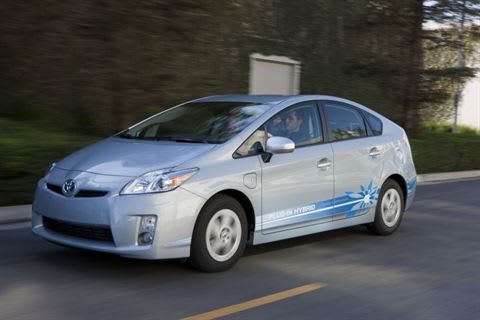
SAN FRANCISCO - San Francisco Mayor Gavin Newsom announced August 25 a partnership between the City and Toyota to pilot the company's Prius plug-in hybrid demonstration program vehicles. The plug-in hybrids, coming to market in 2012, will operate as part of the City fleet in order to demonstrate the viability of plug-in hybrid technology, educate and inform the public, evaluate performance under heavy-use conditions, and better understand the benefits of the technology for future customers, according to a release from the mayor's office.
"Electric vehicles and plug-in hybrids are the future of the automotive industry and an economic engine for job growth," said Mayor Newsom. "More than half of the greenhouse gases produced in California come from transportation, and replacing gasoline vehicles with electric vehicles will help transform California's economy and our environment for the better. I am proud that San Francisco will continue to help pioneer and advance the emerging electric vehicle and plug-in hybrid market with this new partnership with Toyota."
The two Toyota Prius plug-in hybrid vehicles joining San Francisco's fleet August 25 are the first commercial fleet vehicle deliveries in Toyota's U.S. plug-in demonstration program. Over 150 Prius plug-in hybrid vehicles are being placed across Northern and Southern California and around the nation with universities, corporations, government agencies, and in fleet applications like San Francisco.
"As a national environmental leader, the City of San Francisco is a natural fit for the Prius plug-in demonstration program," said Scott Heyer, Corporate Manager of Fleet Sales at Toyota. "The City's feedback and real-world driving data collected during the program will ensure that the vehicle we bring to market will not only meet, but exceed, customer expectations."
The Prius plug-in is powered by lithium-ion batteries and can be charged from a standard 110 volt outlet or a Level 2 charger. As part of infrastructure improvements, three Coulomb EV charging stations in front of City Hall have been upgraded to Level 2, which offers charging at 240 volts in addition to the existing 110 volts. The Prius plug-in hybrid takes approximately three hours to charge at 110 volts and only an hour and a half at 240 volts. The vehicle can travel on electric-only power at speeds of up to 62 mph for approximately 13 miles, after which it operates as a conventional Prius hybrid.
Thanks to the standardization of connections between public charging stations and manufacturer EVs, the Level 2 charging stations can be used with any of the new plug-in hybrids and battery electric vehicles coming to market in the near future from the auto companies, like Toyota as well as from Nissan, GM, Ford, and other car makers, according to the release.
San Francisco is working with other cities and stakeholders to make the Bay Area a premier market for plug-in vehicles as soon as they become available. Called the Bay Area EV Corridor program, this regional effort is developing coordinated programs and consistent EV policies throughout the nine-county region.
More Green Fleet

EV Charging Use Is Outpacing Infrastructure Growth
ChargePoint’s 2026 Charging Forward Report points to rising charger use, higher-powered charging, commercial vehicle electrification, and energy-management technology. Here’s what fleets should know.
Read More →
Merchants Fleet Reports 290M EV Miles as Fleets Navigate Changing Electrification Market
From millions in operating savings to hundreds of millions of EV miles, Merchants Fleet’s latest report reveals what’s working and what’s changing in fleet electrification.
Read More →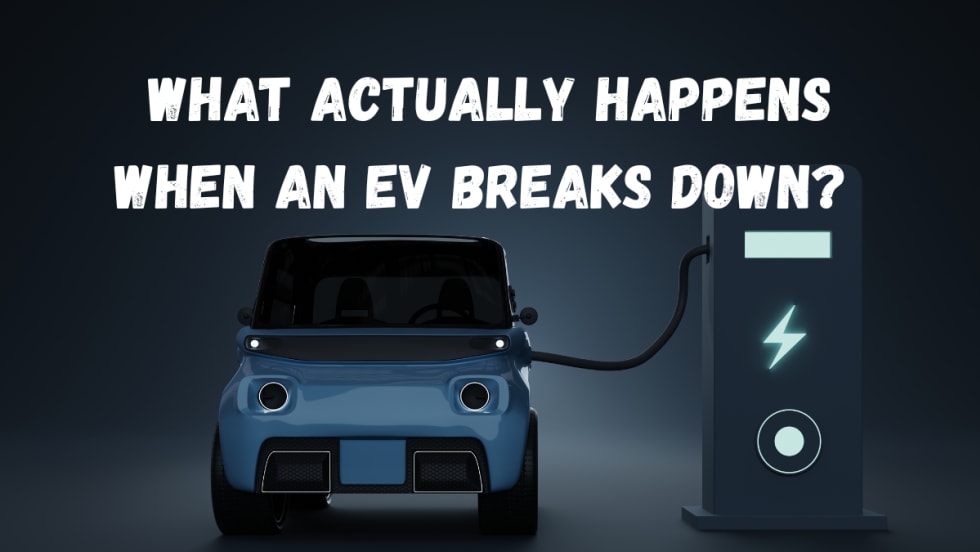
The EV Breakdown Nobody's Talking About: Why Most Electric Vehicle Roadside Calls Aren't Mechanical Failures
Here's why EV breakdowns are widely misunderstood.
Read More →
ChargePoint Now Available in Energy Pass
ChargePoint and additional planned charging network integrations were added to GM's Energy Pass.
Read More →

First Look: Slate Auto's Electric Fleet Pickup
Could an affordable, modular EV pickup make electrification more practical for fleets?
Read More →
Slate Debuts Colorful, Unique EV Models
A recent media and client event, studded with electric vehicles dressed up on platforms, planted a new position for the manufacturer in the wider EV market. Fleets will find cost-saving advantages.
Read More →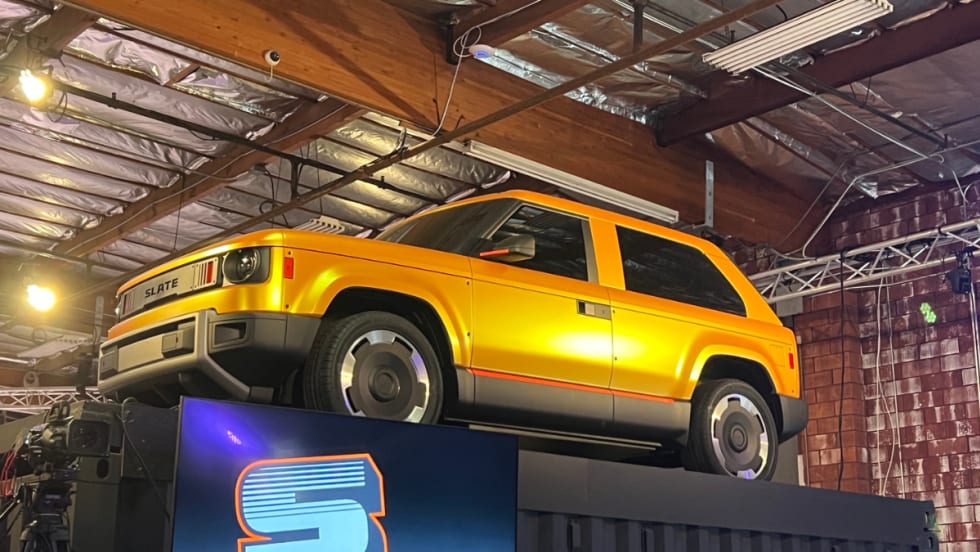
Slate Electric SUV, Pickup Switchable Model Aims For Light-Duty Fleets
Everything about this EV is counterintuitive and understated, making it stand out from the crowd.
Read More →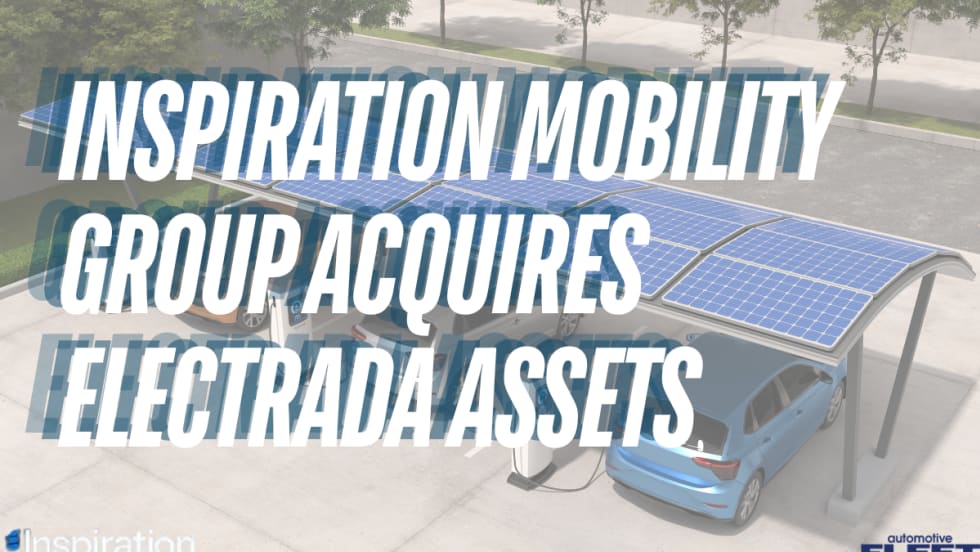
Inspiration Mobility Acquires Key Electrada Assets
Inspiration Mobility Group has acquired select assets of Electrada, adding the fleet electrification provider's team, technology, and charging infrastructure development capabilities to its energy management business.
Read More →
Turning Connected Vehicle Data Into Decisions That Matter
Fleet leaders have more data than ever, but turning that data into clear, actionable decisions remains a challenge. This white paper shows how leading organizations are using connected vehicle data to improve safety, reduce costs, and optimize fleet performance. Learn how to turn insight into action across your fleet.
Read More →