




Safety Council Offers Summer Driving Tips
Road fatalities are already up this year, and the most dangerous driving period has just begun. The National Safety Council offers advice to help keep drivers and their passengers safe.
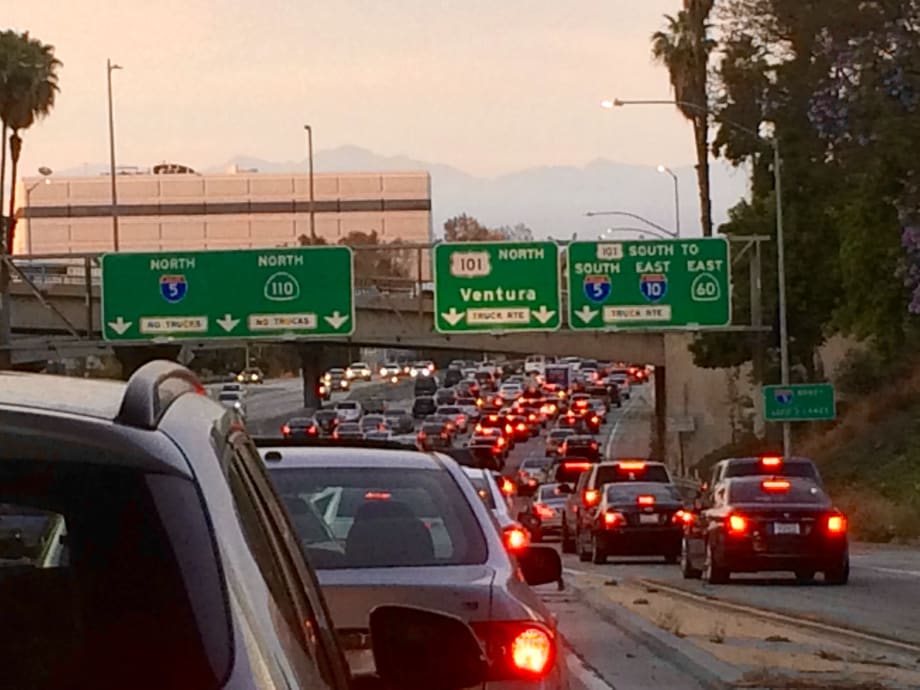
Automotive Fleet photo.
Automotive Fleet photo.
Traffic deaths in the U.S. have increased every month for the past six months, compared to the same period in 2014, the National Safety Council said.
Unfortunately, NSC warned, the disturbing trend is likely to continue this summer during what’s known as the “100 deadly days” – the high-traffic driving period from Memorial Day to Labor Day. Since 2010, this three-month stretch has claimed 48,579 lives.
“While the statistics point out a dangerous trend, we have the ability to influence outcomes through our choices and behavior,” said Deborah A.P. Hersman, president and CEO of the National Safety Council. “Summer is typically a high-exposure period with lots of miles driven and several long holiday weekends. Take your responsibilities behind the wheel this summer seriously and ensure that you get to your destination safety.”
NSC believes the spike in fatal car crashes – an 11-percent increase during the past three months and an 8-percent overall increase in the past six – is due in part to an improving economy. Lower gas prices and lower unemployment rates often lead to an increase in traffic because more people can afford to drive. Also, more drivers travel long distances and take vacations. Certain crash factors, such as speeding and alcohol, are more common during the summer, too. A yearly average of 2,781 deaths in June, July and August involve speeding, and 2,846 involve alcohol.
To help stay safe on the roads this summer, NSC recommends:
Making sure every passenger buckles up every trip.
Designating an alcohol- and drug-free driver or arranging alternate transportation.
Getting plenty of sleep and taking regular breaks to avoid fatigue on long trips.
Never using a cell phone behind the wheel, even hands-free.
Staying engaged with your teens’ driving habits. (An NSC survey found many parents are more inclined to loosen household driving rules during the summer.)
Learning about your vehicle’s safety systems and how to use them. My Car Does What? can help drivers understand the ins and outs of features such as adaptive cruise control, blind spot warning systems and backup cameras.
More Safety

Nexar-Nauto Merger Aims to Give Fleets Better Safety Intelligence Through Larger Driving Dataset
Stefan Heck tells Automotive Fleet that combining more than 10 billion miles of driving history with Nexar's AI models will give fleets deeper insights into driver risk and roadway conditions than either company could provide independently.
Read More →
Don't Wait for a Crisis: 5 Ways to Build Mental Health Into Your Fleet Safety Program
For Suicide Prevention Month, fleet and safety leaders have an opportunity to put mental health where it belongs: at the center of workplace safety.
Read More →
How Camera Data Can Strengthen a Fleet’s Insurance Renewal
Insights from a commercial insurance carrier and a broker show how fleets can turn video telematic data, driver coaching, and improved claims results into a stronger case at insurance renewal.
Read More →
The Safest Fleets Aren’t the Ones with the Most Technology
You’ve made the telematics investment. Here’s how to capture the other half of its value and build the safest fleet on the road.
Read More →
Hidden in Plain Sight: Fleet Compliance Risks
Fleet compliance isn't just about having policies — it's about consistently enforcing them. This practical guide reveals six hidden compliance risks common in public sector and shared fleet operations and outlines proven strategies to improve visibility, accountability, and audit readiness
Read More →
NETS Sets 2026 Fleet Safety Benchmark Conference for Indianapolis
The Sept. 15–17 program will feature fleet benchmarking data, case studies, emerging technologies, and implementation strategies while running alongside the NSC Safety Congress & Expo.
Read More →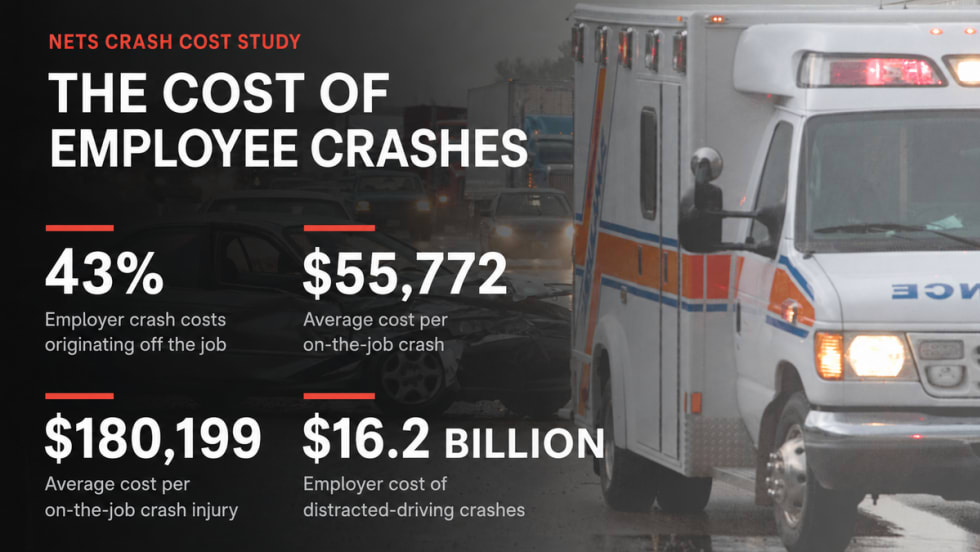
Off-the-Job Crashes Account for 43% of Employers’ $61.7 Billion Crash Burden
NETS quantifies costs dispersed across fleet, risk, HR, and other departments while providing new per-crash benchmarks for employers.
Read More →
Ram Recalls More Than 1.27 Million 1500 Pickups for Seat Belt Anchor Issue
The recall affects certain 2019-2026 Ram 1500 pickups that may have improperly attached second-row seat belt buckle anchors.
Read More →
How Better Visibility Cut Speeding Violations by 48%
Fleet leaders don't need more data, they need clearer visibility into what the data is saying. This case study explores how one utility replaced speeding-event counts with a single metric — miles driven in violation — to strengthen safety and significantly reduce speeding violations.
Read More →
Operation Safe Driver Week: Why the Industry's Oldest Safety Campaign Still Matters to Fleets
A look at how a 2007 enforcement initiative became one of the most consequential weeks on the fleet safety calendar, and what it means for your drivers in 2026.
Read More →