




Sacramento to Fuel Refuse Vehicles with Renewable Natural Gas
The City refuse trucks will use the Sacramento BioDigester, a machine that converts food waste into renewable gas.
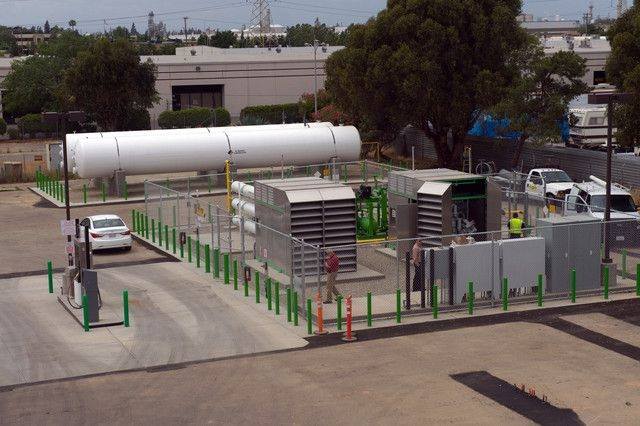
The Clean Energy/Atlas Disposal CNG fueling facility dispenses natural gas sourced from the BioDigester supplemented by pipeline natural gas. Photo courtesy of Atlas Disposal.
The City of Sacramento, Calif., is taking its greening efforts one step further this October - its compressed natural gas (CNG) trucks will soon be fueling with CNG produced from food waste. In June, Clean World, which constructed the Sacramento BioDigester, began providing renewable CNG to the adjacent CNG fueling station, owned by Atlas Disposal and operated by Clean Energy Fuels. The station dispenses natural gas sourced from the digester supplemented by pipeline natural gas. Atlas Disposal, a Sacramento-based waste and recycling removal company, is already fueling 17 CNG refuse haulers at the facility.
According to City of Sacramento Fleet Manager Keith Leech, the City has established a sourcing agreement for up to 2,500 gallons of CNG per week with at least 30 percent renewable CNG at the fueling station. This will be used to fuel 14 new CNG rear loader trucks, which are expected to be delivered in October, 11 Autocar rear loaders, and three Freightliner Elgin Broom Bear sweepers.
The new vehicles all have Cummins ISLG engines, and Leech said the CNG from the BioDigester meets Cummins specifications for their ISLG engines. Cost per gallon for the 30 percent renewable fuel is half the cost of diesel per gasoline gallon equivalent.
Leech said while the cost to purchase a CNG vehicle can be 20- to 25-percent higher than the cost of a clean diesel vehicle, fuel savings projected during the useful life of these CNG trucks is greater than the incremental cost. Carbon credits associated with the demand and production of renewable natural gas may lead to better pricing as well.
"The City of Sacramento and the Sacramento Air District, both key contributors to Sacramento Clean Cities staff time and resources, have strongly supported the Atlas Disposal renewable natural gas efforts,” Leech, who is also president of the Sacramento Regional Clean Cities Coalition, said. “Additionally, Sacramento Clean Cities is working on finalizing a grant that would allow the coalition to pursue outreach to local schools to participate in the food waste collection program. There is also potential for schools to fuel some of their CNG school buses with the renewable natural gas."
Clean World opened the Sacramento BioDigester in December 2012 and is currently in the process of expanding the facility. When the expansion completes in Dec 2013, the BioDigester will be able to convert 100 tons per day of food waste into renewable energy in the forms of heat, electricity, natural gas, and fertilizer enhancements, according to the company.
By Thi Dao
More Green Fleet

EV Charging Use Is Outpacing Infrastructure Growth
ChargePoint’s 2026 Charging Forward Report points to rising charger use, higher-powered charging, commercial vehicle electrification, and energy-management technology. Here’s what fleets should know.
Read More →
Merchants Fleet Reports 290M EV Miles as Fleets Navigate Changing Electrification Market
From millions in operating savings to hundreds of millions of EV miles, Merchants Fleet’s latest report reveals what’s working and what’s changing in fleet electrification.
Read More →
The EV Breakdown Nobody's Talking About: Why Most Electric Vehicle Roadside Calls Aren't Mechanical Failures
Here's why EV breakdowns are widely misunderstood.
Read More →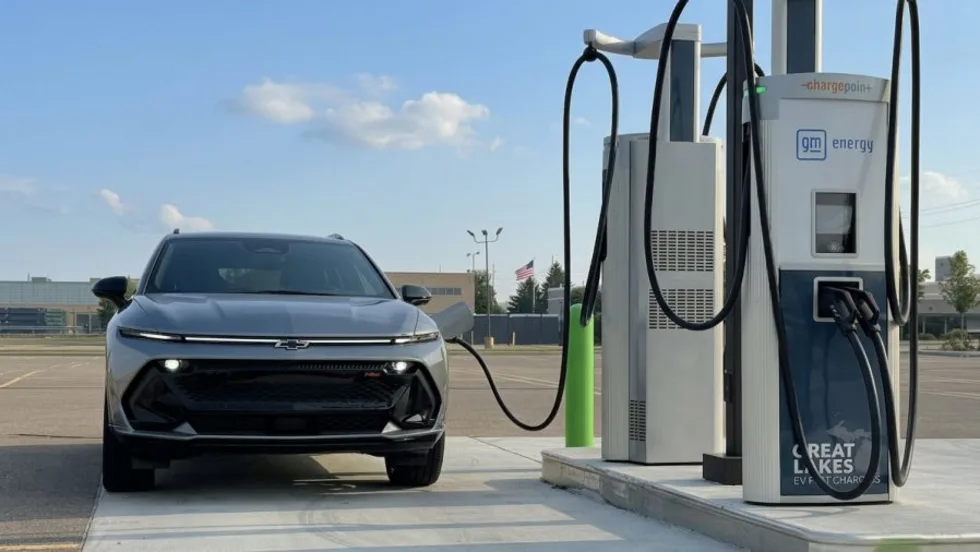
ChargePoint Now Available in Energy Pass
ChargePoint and additional planned charging network integrations were added to GM's Energy Pass.
Read More →

First Look: Slate Auto's Electric Fleet Pickup
Could an affordable, modular EV pickup make electrification more practical for fleets?
Read More →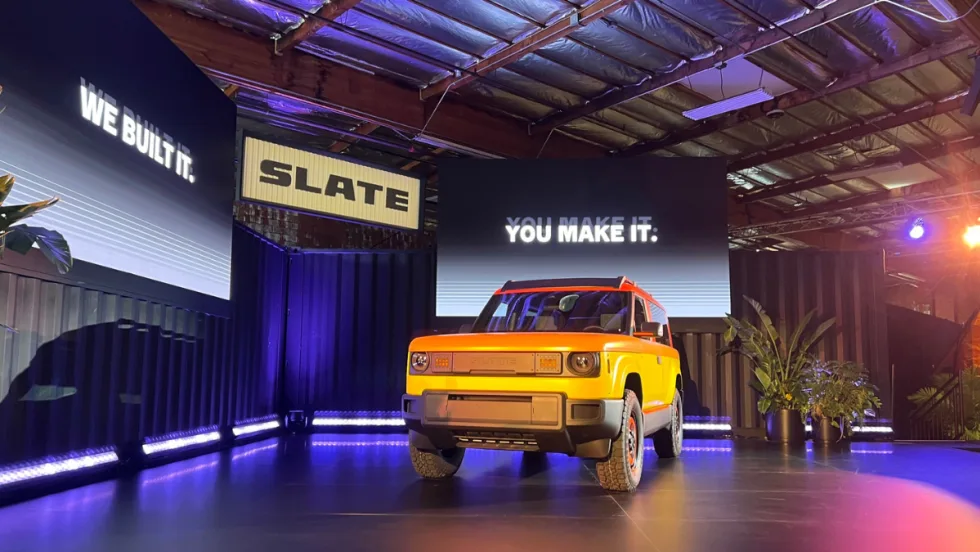
Slate Debuts Colorful, Unique EV Models
A recent media and client event, studded with electric vehicles dressed up on platforms, planted a new position for the manufacturer in the wider EV market. Fleets will find cost-saving advantages.
Read More →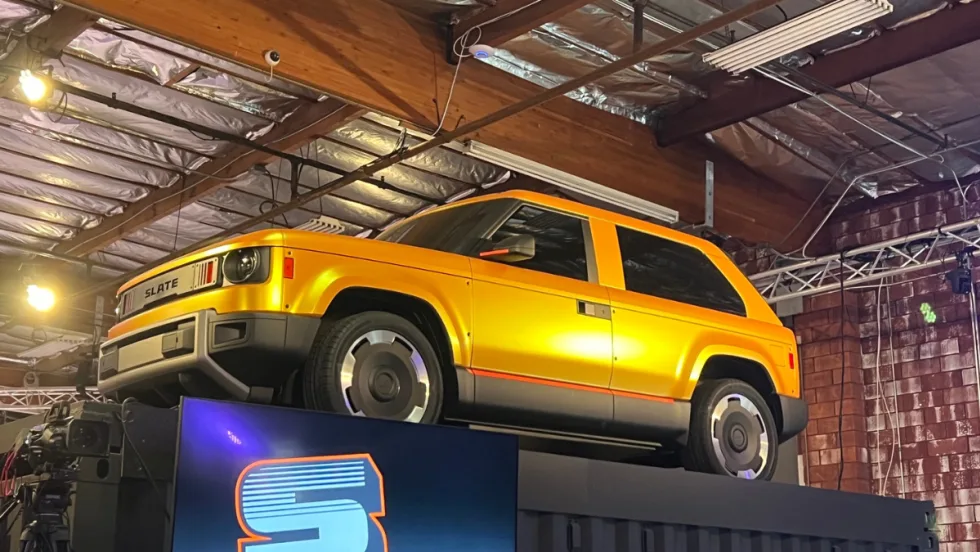
Slate Electric SUV, Pickup Switchable Model Aims For Light-Duty Fleets
Everything about this EV is counterintuitive and understated, making it stand out from the crowd.
Read More →
Inspiration Mobility Acquires Key Electrada Assets
Inspiration Mobility Group has acquired select assets of Electrada, adding the fleet electrification provider's team, technology, and charging infrastructure development capabilities to its energy management business.
Read More →
Turning Connected Vehicle Data Into Decisions That Matter
Fleet leaders have more data than ever, but turning that data into clear, actionable decisions remains a challenge. This white paper shows how leading organizations are using connected vehicle data to improve safety, reduce costs, and optimize fleet performance. Learn how to turn insight into action across your fleet.
Read More →