




Ryder Will Take Pre-Tax Charge in 3rd Quarter Due to Used-Truck Downturn
Ryder System, Inc., a logistics and transportation management solutions company, will record a pre-tax charge in the range of $34 million to $37 million, or $0.35 to $0.39 per share after income taxes, in the company's third quarter, which ended Sept. 30, 2000. The charge relates to Ryder's owned and leased revenue-earning equipment, and represents less than 1 percent of that asset base. On a pre-charge basis, Ryder's third quarter earnings per share should meet current First Call consensus estimates. The charge is a result of the continuing industry-wide downturn in the market for new and used Class 8 trucks and tractors (the largest heavy-duty tractors and straight trucks). Ryder's unsold Class 8 inventory consists of units previously used by customers of the company's full-service commercial lease and short-term commercial rental programs. However, despite the industry-wide slump in the sales of used Class 8 vehicles, Ryder still expects to report net gains on the sale of used equipment for the remainder of 2000. There are two principal components of the pre-tax charge. The first is a write-down of certain Ryder-owned unsold used tractors, reflecting current market conditions and anticipated net sales proceeds. The second component is an increase in the company's reserves for guaranteed termination values for equipment that Ryder leases rather than owns. Actual results for the third quarter will be released on Oct. 19, 2000, at which time the company will host a conference call. With SEC regulations regarding full disclosure, Ryder does not plan to provide any further information regarding its third quarter performance until Oct. 19. Because of the weak market for used Class 8 vehicles, the company will also be increasing depreciation and other expenses related to vehicles it plans to sell during the next two years. Although there are forecasts for both a continued weak used-truck market and a general slowing of economic activity, Ryder management believes the company's earnings will be around the current consensus estimates for the fourth quarter of 2000. Actions Ryder Is Taking To Reduce Its Used Truck Inventory: While weakness in the used truck market is an industry-wide issue, Ryder has taken several steps to reduce its inventory. Ryder has largely stopped the previous practice of early replacement of vehicles, reducing inventory build-up and capital expenditures while improving its Economic Value Added (EVA) margins. Ryder increased its marketing activities, including additional advertising and direct mail programs. It also launched and then enhanced its used-vehicle sales website, www.usedtrucks.ryder.com. It also just provided a Spanish language version of the website, and a French version will be offered early in 2001. In addition, the company is increasing its sales capacity and efficiency. It has opened several used-truck centers, and by year-end expects its total from 40 to 46. Ryder is re-deploying vehicles for new applications, particularly for use in its dedicated contract carriage and logistics offerings. It is also increasing the number of used trucks it is selling in export markets. Based on these measures, Ryder should be able to normalize its used truck inventory levels in the next eight to 10 months even though the weakness in the market is expected to last for the next two years.
More Operations

Slate Debuts Colorful, Unique EV Models
A recent media and client event, studded with electric vehicles dressed up on platforms, planted a new position for the manufacturer in the wider EV market. Fleets will find cost-saving advantages.
Read More →
Element, Waymo Partner on Autonomous Fleet Operations
The multi-year agreement will support fleet management services for Waymo's autonomous ride-hailing operations, beginning in San Diego.
Read More →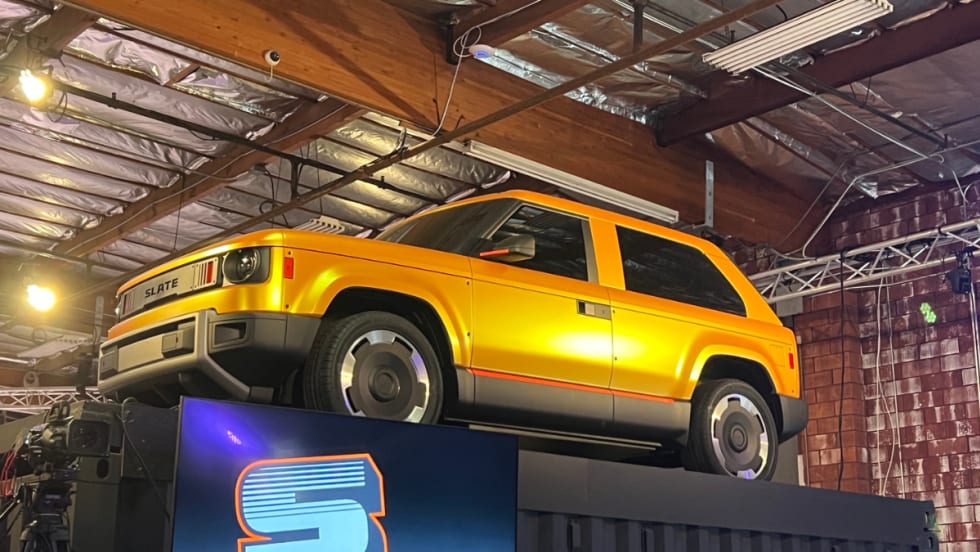
Slate Electric SUV, Pickup Switchable Model Aims For Light-Duty Fleets
Everything about this EV is counterintuitive and understated, making it stand out from the crowd.
Read More →

How to Manage Conflict for Your Fleet Operations
Conflict management is becoming a core leadership skill. Here are five strategies fleet leaders should know.
Read More →
Turning Connected Vehicle Data Into Decisions That Matter
Fleet leaders have more data than ever, but turning that data into clear, actionable decisions remains a challenge. This white paper shows how leading organizations are using connected vehicle data to improve safety, reduce costs, and optimize fleet performance. Learn how to turn insight into action across your fleet.
Read More →
Cameras, Safety and Insurance: From Reactive Claims to Real-time Prevention
Commercial auto remains one of the most challenging and costly lines of coverage for fleet operators and insurers alike. Learn more about how to effectively address these issues from Onur Aksan, Enterprise Business Development Executive, Geotab.
Read More →
Are You Tracking Your Fleet's True Total Cost of Ownership?
Bobit Business Media surveyed 190 fleet professionals and found that while most fleets are tracking costs, fragmented systems and data gaps are keeping true TCO visibility out of reach. With rising pressure to control spend in an increasingly volatile environment, the gap between what fleets think they know and what the data actually shows is wider than you might expect. See how your peers are managing costs today and where the industry still has room to improve.
Read More →
Turn Fleet Data Into Smarter Decisions
Fleet leaders have access to more operational data than ever, but disconnected systems and unclear metrics often slow decision-making instead of improving it. This whitepaper outlines five practical steps fleets can take to transform fragmented data into actionable insights that improve planning, safety, utilization, and long-term performance.
Read More →
Hybrids: Electrification Without the Challenges
For fleet managers, fuel is one of the biggest line items in the budget — and it's one hybrids can shrink without changing how your people work. Download the eBook to see the numbers, understand the technology, and get a step-by-step guide to making the switch.
Read More →
How NOV Uses Telematics to Improve Fleet Safety Across 160 Locations
James Victory of NOV discusses how the company manages fleet safety, maintenance, and telematics across more than 150 locations supporting oilfield operations throughout the U.S.
Read More →