




Rwanda Implements Car-Free Zone in Capital
As of August 24, vehicles are no longer allowed in the heart of Rwanda's capital Kigali. Except special services vehicles such as ambulances, others are prohibited in the streets of the declared “Car-Free Zone.”
As of August 24, vehicles are no longer allowed in the heart of Rwanda's capital Kigali. Except special services vehicles such as ambulances, others are prohibited in the streets of the declared “Car-Free Zone,” according to a press release issued by KT Press.
"Normally, a city is for people not vehicles," said Luben Ahimbissibwe, director of infrastructure in the city. "We want to turn Kigali into a pedestrian friendly city."
Over the past several years, all buildings have been required to have underground parking to prepare for the “Car-Free Zone.” Ahimbisibwe told KT Press, which has been reporting on the efforts, that the decision to do away with city traffic "is to maintain green transport and sustainability of the city."
Mobility in Kigali, which has a population of 1.1 million, has been a priority in the past 15 years. The city set out to connect all suburbs with tarmac roads and drainages. Old-fashion mini-buses were eliminated, and three local bus companies were awarded five-year contracts to transport more than 500,000 commuters every day, according to KT Press.
Eventually, the central government intends to roll out the public transport model across the nation. Asian automobile companies Hyundai Youtong have supplied 800 new buses. The buses have wireless Internet, allowing commuters to keep working, and operators to track their buses, according to KT Press.
Meanwhile, Rwanda aims to have 35 percent of its population living in cities nationwide. In addition to the capital Kigali, the East African landlocked country has plans to build six more strategic secondary cities to allow its 11 million people enjoy urban life, according to KT Press.
More Global Fleet

The Top 300 Commercial Fleets
The Top 300 Commercial Fleets: See the List
Read More →

Cameras, Safety and Insurance: From Reactive Claims to Real-Time Prevention (Part 2 of 2)
Part Two: Commercial auto remains one of the most challenging and costly lines of coverage for fleet operators and insurers alike. Continue learning more about how to effectively address these issues from Onur Aksan, Enterprise Business Development Executive, Geotab
Read More →

Cameras, Safety and Insurance: From Reactive Claims to Real-time Prevention
Commercial auto remains one of the most challenging and costly lines of coverage for fleet operators and insurers alike. Learn more about how to effectively address these issues from Onur Aksan, Enterprise Business Development Executive, Geotab.
Read More →
Why Fleet Managers Are Replacing Departmental Vehicles with Shared Motor Pools
Departmentally assigned vehicles often create hidden costs through underutilization, poor visibility, and increased administrative burden. This white paper explores how shared motor pool strategies help fleets reduce costs, improve accountability, and optimize vehicle utilization.
Read More →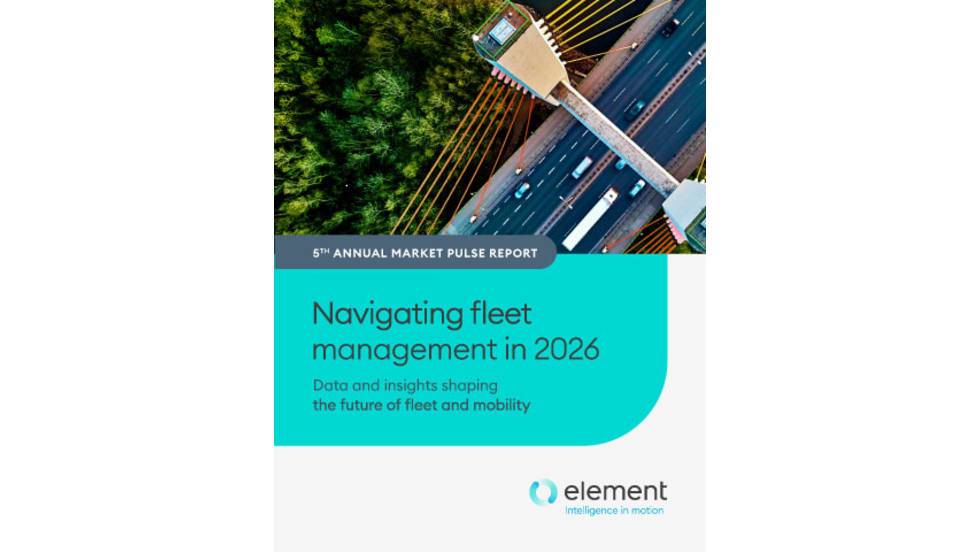
Fleet Costs Are Rising: Here’s How Leaders Are Responding
Fleet leaders are under pressure to reduce costs, adapt to economic uncertainty, and make smarter decisions. See how peers across North America are responding with real data, proven strategies, and forward-looking insights. Download the 2026 Market Pulse Report to benchmark your strategy and uncover where you can gain an edge.
Read More →
Enterprise Fleet Management Surpasses 900,000 Vehicles in U.S. & Canada
Enterprise Mobility connects with mobility solutions around the globe
Read More →
Automotive Fleet's Guide to Fleet Electrification
Unlock the secrets to a successful transition to electric fleets with Automotive Fleet's comprehensive Fleet Electrification Guide!
Read More →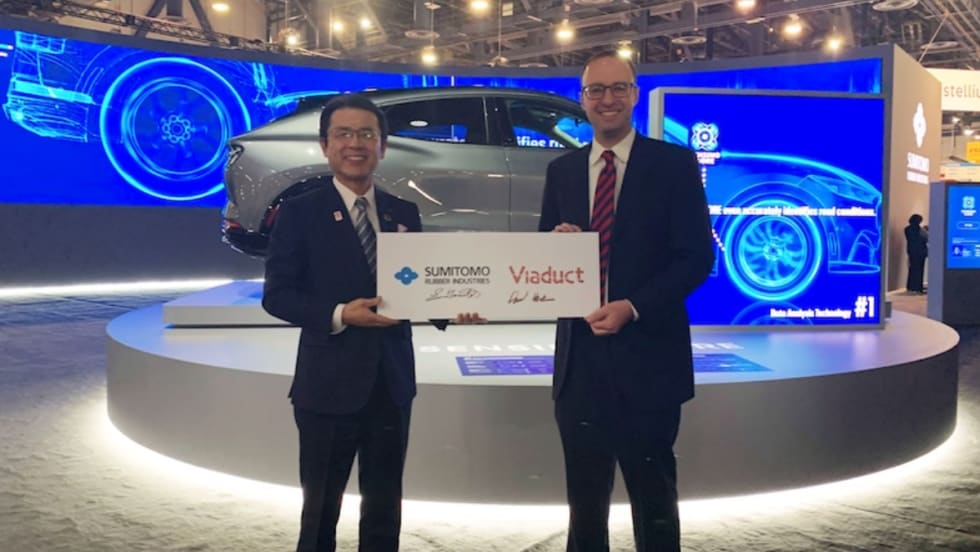
Sumitomo Rubber Industries to Acquire Viaduct
Viaduct will join Sumitomo as an independent subsidiary. Partnership strengthens global reach and accelerates AI-driven innovation for fleets and manufacturing.
Read More →
AfMA’s 2025 Education & Leadership Summit: 26 Years of Impactful Connection
Held in Sydney, the Australasian Fleet Management Association’s 2025 Summit marked ten years of growth as the event expanded its global reach and doubled down on practical, non-commercial fleet leadership programming.
Read More →