





Fleet Tip: Use Smart Cameras to Improve Fleet Safety
Roads, Driver Safety & Economy Top Netradyne Survey
Netradyne surveyed small- and medium-sized business leaders of fleets with five or more vehicles to learn more about current key challenges and goals.
December 5, 2022
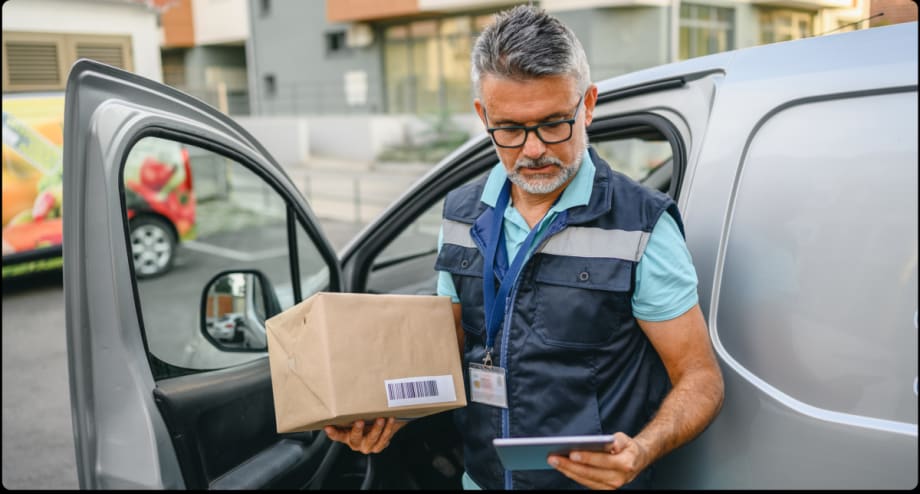
Managing people can be challenging, and the stakes are much higher when your employees and company vehicles are out on the road.
Photo: Netradyne
4 min to read
Netradyne announced the results of its recent survey to better understand the key challenges and goals that small and medium businesses (SMBs) face in today's complicated climate. Netradyne surveyed 503 decisionmakers of small and medium businesses (SMBs) with fewer than 1,000 employees and commercial fleets consisting of five or more vehicles.
The study's results highlight significant challenges around building affordable and effective safety programs, financial and cost-saving initiatives, road risks, and driver safety concerns. Fieldwork took place from September 21-28, 2022.
Top 2022 Netradyne Research Results
Of the results, a few items topped Netradyne's list: roads, driver safety, and costs.
1. Road Risks Have Decisionmakers Worried Sick
Managing people can be challenging, and the stakes are much higher when your employees and company vehicles are out on the road. Poor judgment in the office can lead to reduced profits, embarrassing slip-ups, or productivity losses from rectifying mistakes. Bad decisions on the road could result in all three consequences, with the added risk of personal injuries.
Drivers are any fleet's greatest assets; an SMBs productivity and profitability can hinge on the behavior and performance of those behind the wheel.
2. Driver Safety is Top of Mind for 53% of SMB Fleets:
53% are thinking of safety issues proactively — before they happen, and 44% think about safety issues all the time.
95% claim that they trust their drivers; however, well over one in two, or 56%, believe their drivers unintentionally engage in risky behaviors on the road.
Many decision-makers worry about their drivers' safety and distracted drivers sharing the road with their vehicles.
77% consider smartphone usage on the road by other drivers to be a threat to their drivers.
3. Widening Safety Measures and Financial Safety Nets
Better driving behavior makes good financial sense. Findings suggest that most decision-makers admit that losing just one vehicle in the fleet would be devastating to the business, hinting that many business decision-makers managing fleets are one bad accident away from going out of business. Smarter driver safety solutions enable decision-makers to save money by reducing risk and fuel costs.
Top Fleet Financial Concerns
It's no surprise that financial concerns are top of mind for SMBs with fleets, especially with fuel costs at the highest in history.
100% of SMB decision makers surveyed express an interest in technology that can save on fuel costs, with 49% saying they are extremely interested in technology that can save on fuel costs. But nearly half, or 49%, have run out of ideas to reduce fuel costs.
66% say they make financial decisions based on immediate needs instead of strategic protection.
Almost all, 96%, indicate some concern about securing financing to expand their fleet, with well over a third, or 36%, indicating they are extremely concerned about securing funding to expand their fleet.
Importantly, 63% claim that losing just one vehicle in their fleet would be financially devastating.
91% think their fleet would benefit from an A.I. safety solution that can assess speed, traffic sign compliance, and distracted driving while alerting drivers of risky driving behavior with real-time positive driving notifications. Four in five, or 85%, would consider purchasing that type of AI-based safety solution if the investments were just over $1 (one dollar) per day.
Smarter Safety Solutions
There are smarter ways to reinforce safe driving behavior than imposing fines or reluctantly addressing risky driving behaviors. Investing in smart tech such as A.I. driving solutions can make ensuring driver safety and saving money a breeze.
It's no surprise that SMB leaders wear many, if not most, of the hats in the company, including coaching drivers.
89% consider themselves a driver safety expert, and over half, 51%, say they are coaching their drivers very frequently or all the time.
More than four in five, or 82%, wish drivers had a virtual driving coach. Decision makers are more often 58% aversive to addressing negative behaviors, with 55% preferring to address positive behaviors and 3% preferring to address neither positive nor negative behaviors. The 10% who don't choose to address negative driver behavior would rather eat glass than address negative driving behavior.
69% have considered imposing monetary fines to address negative driving behavior.
93% would be willing to invest in more smart technologies that can save work/time through automation.
Curious about Netradyne's solutions, fleets that are leveraging their product with real-world safety benefits, or just want to stay up-to-date on news and alerts related to truck and van fleet management? Register for Bobit Connect today!
Originally posted on Work Truck Online
More Safety
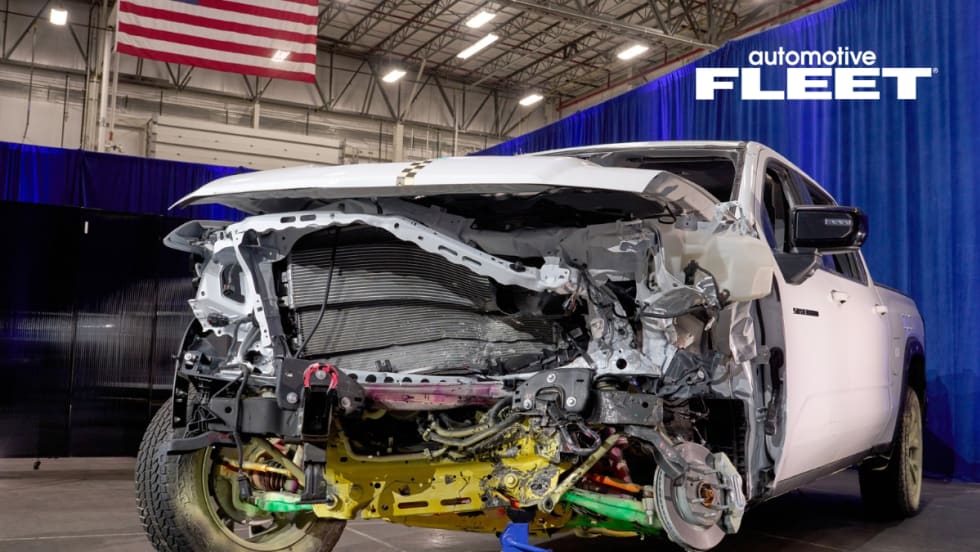
GM Conducts 92,000 Virtual Crash Tests for 2027 Chevrolet Silverado 1500
General Motors used computer simulations to evaluate crash scenarios, occupant protection and vehicle design variations before conducting physical crash tests.
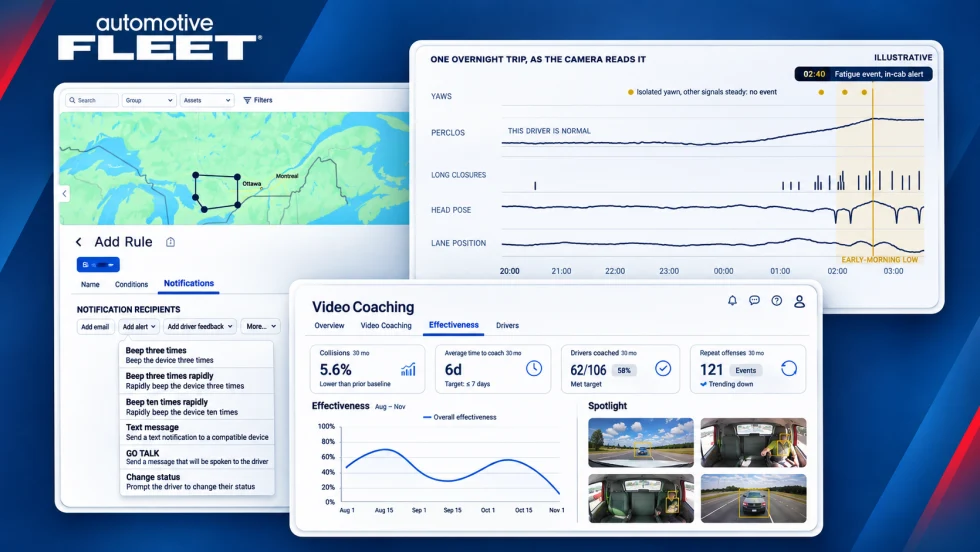
Geotab Adds AI-Powered Driver Coaching and Fatigue Detection Features
New capabilities include fatigue monitoring, two-way audio, coaching effectiveness analytics and location-based privacy controls for fleet safety management.
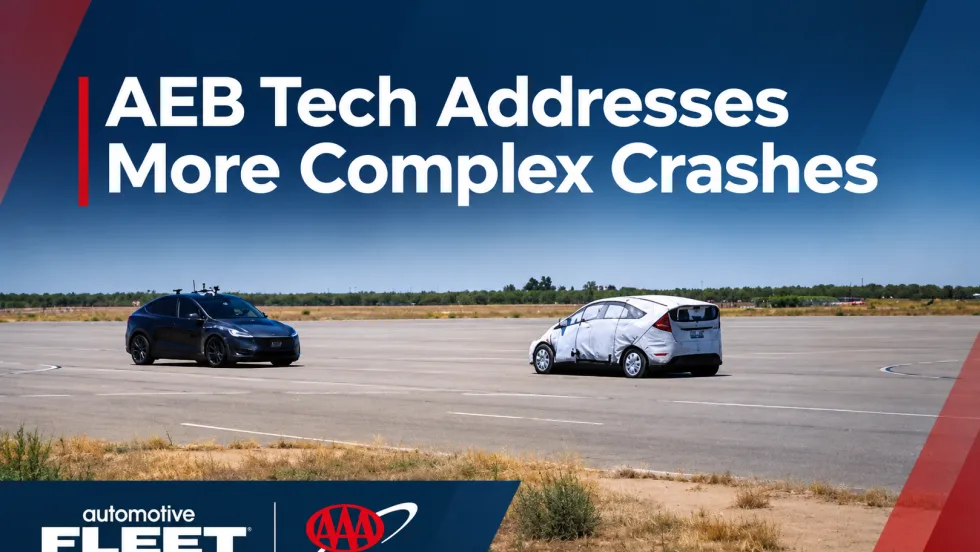
AAA Testing Finds Gaps in Intersection AEB Crash Prevention
Testing of four 2026 model-year vehicles found that automatic emergency braking prevented collisions in standardized intersection scenarios, but three vehicles failed to avoid crashes when another vehicle turned into their path.
Which Fleet Types Have the Highest Severe Speeding Rates?
New research from SambaSafety finds significant differences in speeding rates across fleet industries, even as nearly 90% of surveyed fleets report using telematics.
When a Cyberattack Hits Your Fleet: What Happens Next?
“You have two opportunities to test your plans: when you choose or when the threat actor chooses.” A cybersecurity expert reveals what fleet managers need to know before a cyberattack puts their operations at risk — and why the decisions made in the first moments can shape the entire recovery.
Tips for Driving Safely on Halloween Night
This video features a reminder from the Connecticut Department of Transportation (DOT) and the Connecticut Police Chiefs Association, urging drivers to prioritize safety this Halloween.
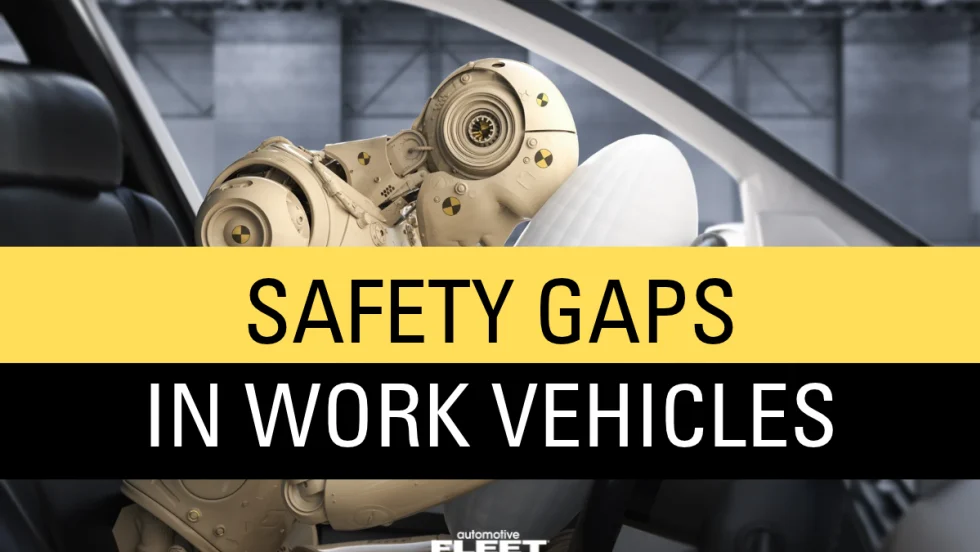
IIHS Crash Avoidance Tests Reveal Safety Gaps in Cargo Vans and Work Trucks
New IIHS crash avoidance ratings show uneven performance among cargo vans and heavy-duty pickups, with most struggling to avoid vehicle-to-vehicle collisions.
What’s Next for Fleet? Safety, AI & Industry Recognition | AF News Recap
Could your company's culture be encouraging distracted driving? This week, we're exploring how workplace expectations affect driver safety, what AI, EVs, and autonomous vehicles could mean for the future of fleet management, and how fleet professionals can strengthen their award nominations.
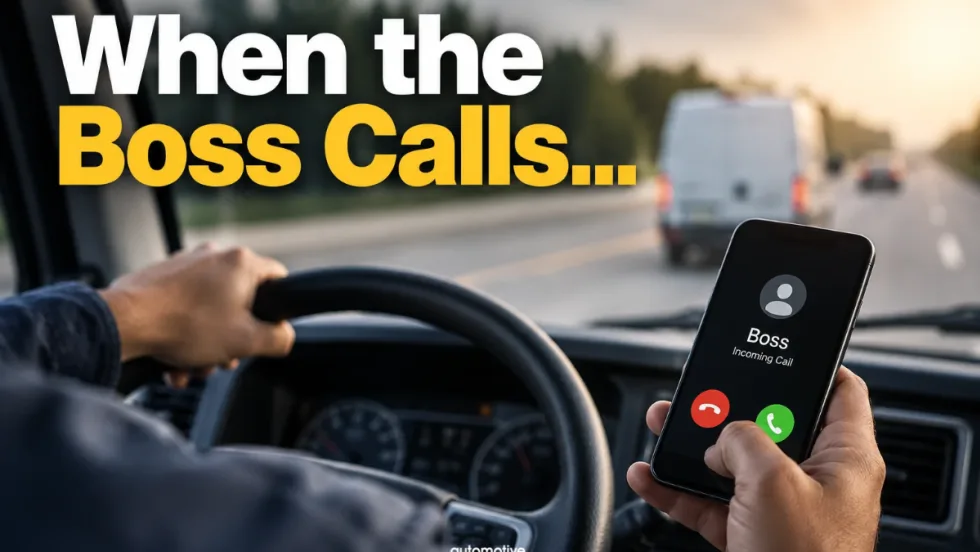
Does Your Fleet's Culture Encourage Distracted Driving?
What happens when the people responsible for enforcing safety rules are the ones setting the wrong example? The answer may reveal why some of the biggest risks to fleet drivers have little to do with what's written in the employee handbook.
Sponsored•October 1, 2026
Fleet Manager’s Ultimate Playbook: Navigating the New Standard in OEM Connectivity
Rising operating costs, driver safety concerns, and unplanned downtime are putting unprecedented pressure on modern fleets. Discover how fleet managers use embedded OEM connectivity and real-time vehicle data to cut TCO, prevent downtime, and protect drivers without aftermarket telematics hardware.