Automotive Fleet
MenuMENU
SearchSEARCH

Researchers Study Impact of Post-9-11 Stress on Fatal Accident Rates

MINNEAPOLIS, MN --- Psychologist Alexander J. Rothman and his colleagues at the University of Minnesota analyzed records obtained from the U.S. Department of Transportation to see if there was any relation between geographic location and the rate of fatal traffic accidents that occurred in the three months immediately following the September 11 terrorist attacks.

by Staff
March 25, 2009
2 min to read


MINNEAPOLIS, MN --- Eight years after the September 11 attacks, researchers are still learning how those terrible events affected us. A number of studies have shown that people who lived closest to the sites of the terrorist attacks experienced heightened levels of stress and anxiety in the months following the attacks. Research has also indicated that elevated levels of stress can greatly impact day-to-day behaviors such as driving. 

Psychologist Alexander J. Rothman and his colleagues at the University of Minnesota analyzed records obtained from the U.S. Department of Transportation to see if there was any relation between geographic location and the rate of fatal traffic accidents that occurred in the three months immediately following the September 11 terrorist attacks.

Ad Loading...

Statistical analysis of the data yielded a number of interesting findings, which are reported in Psychological Science, a journal of the Association for Psychological Science. 

The authors found that there was an increase in the rate of traffic fatalities in the three months following the 9/11 attacks, but only in the Northeast, the region closest to the terrorist attacks on the World Trade Center. A follow-up analysis showed that there was a significant increase in the rate of traffic fatalities in the months following September 11 in the state of New York. This pattern of findings is consistent with the premise that stress-related reductions in the quality of driving led to a spike in the rate of fatal traffic accidents. 

In addition, the authors analyzed the traffic records to see if there was an increase in the rate of fatal traffic accidents involving drugs or alcohol. Compared to the same time period in the previous year, there was a 100 percentage point increase in the rate of drug- and alcohol-related fatal traffic accidents in the Northeast. 

The findings suggest that being close to the location of a traumatic event, such as the 9/11 attacks, may increase psychological stress, which may, in turn, impair one's driving ability and thus lead to an increase in fatal traffic accidents.

The authors noted that in this study, they "demonstrated the importance of considering various potential causes of behavioral changes after terrorist events occur." They concluded that "in general, thinking more theoretically about factors that shape people's responses to stressful events should help researchers anticipate behavioral reactions to terrorism."



More Safety

Chris Brown sits across from safety experft at Lifesaver mobile in an interview about distracted driving and phone use tech.
Safetyby Chris BrownMay 1, 2026

Reducing Risk by Eliminating Phone Use Behind the Wheel

Distracted driving remains one of the most persistent risks in fleet operations. New approaches focus on removing mobile device use entirely while adding real-time safety support.

Read More →
Safetyby Jeanny RoaApril 15, 2026

Distracted Driving in the Age of Smart Tech – Part 2

As distraction risks evolve, fleets are turning to smarter, more connected technologies to better understand what’s happening behind the wheel. Part 2 explores how these tools are helping identify risky behaviors and improve visibility across operations.

Read More →
Safetyby Jeanny RoaApril 11, 2026

 Data Rights, Risks, and Responsibilities After a Crash

What fleets capture to improve safety can also expose them in litigation, forcing leaders to rethink how data is managed, stored, and shared.

Read More →
Ad Loading...
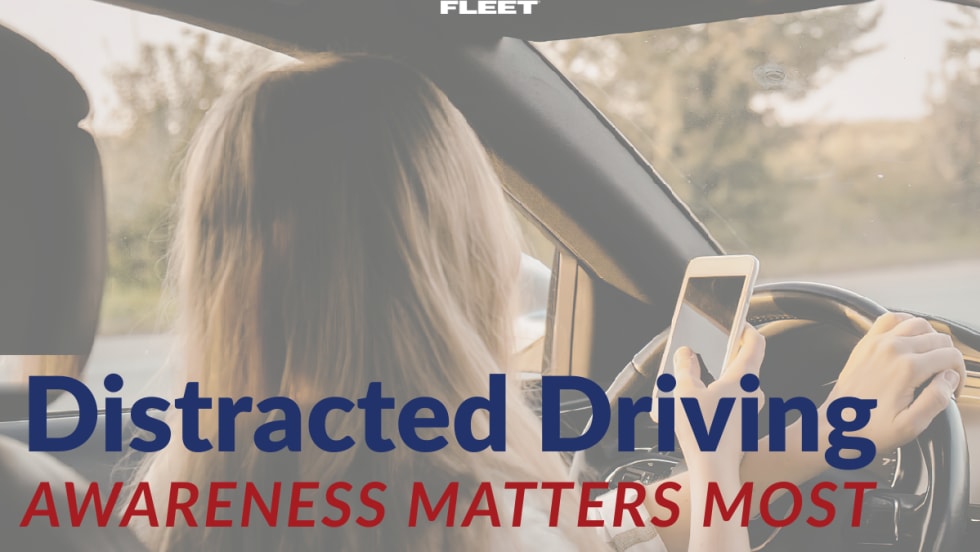
Driver holding a phone while steering, illustrating distracted driving and the importance of mental awareness and attention on the road for fleet safety.
Safetyby Judie NuskeyApril 10, 2026

From Distraction to Detection: Strengthening Awareness in Fleet Drivers

Distracted driving is often measured by what we can see—phones in hand, eyes off the road. But what about the distractions we can’t? A recent incident raises a bigger question about awareness, attention, and why subtle risks so often go unnoticed.

Read More →
Safetyby StaffApril 8, 2026

Lytx 2026 Road Safety Report

While serious crashes are declining, a rise in minor incidents and ongoing risk hotspots underscore the need for continued fleet safety investment.

Read More →
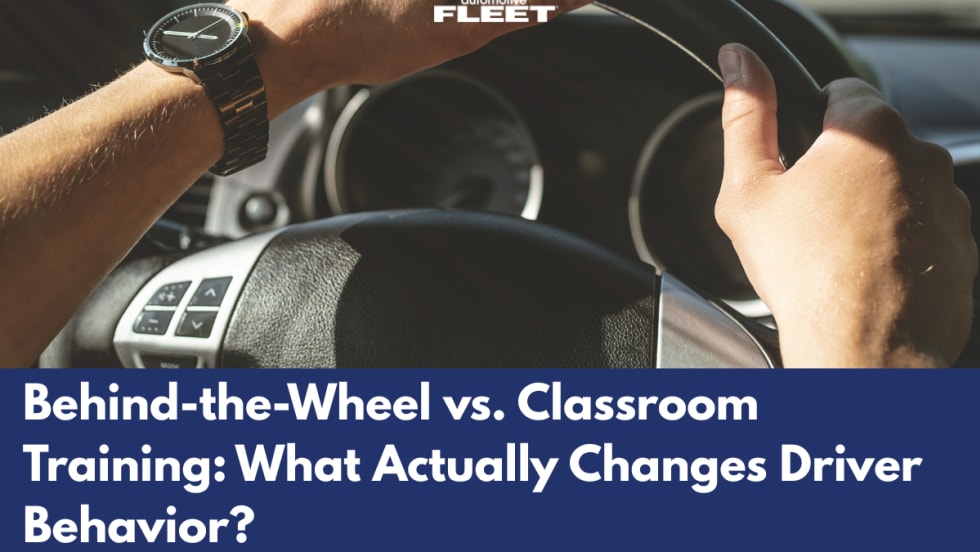
Driver’s hands on steering wheel in a sunlit vehicle, representing real-world driver behavior and the shift from data monitoring to hands-on training in fleet safety programs.
Safetyby Judie NuskeyApril 7, 2026

Behind-the-Wheel vs. Classroom Training: What Actually Changes Driver Behavior?

Fleets have more driver data than ever, so why isn't behavior changing? Training requires more than reports and coaching — it requires real-world practice.

Read More →
Ad Loading...
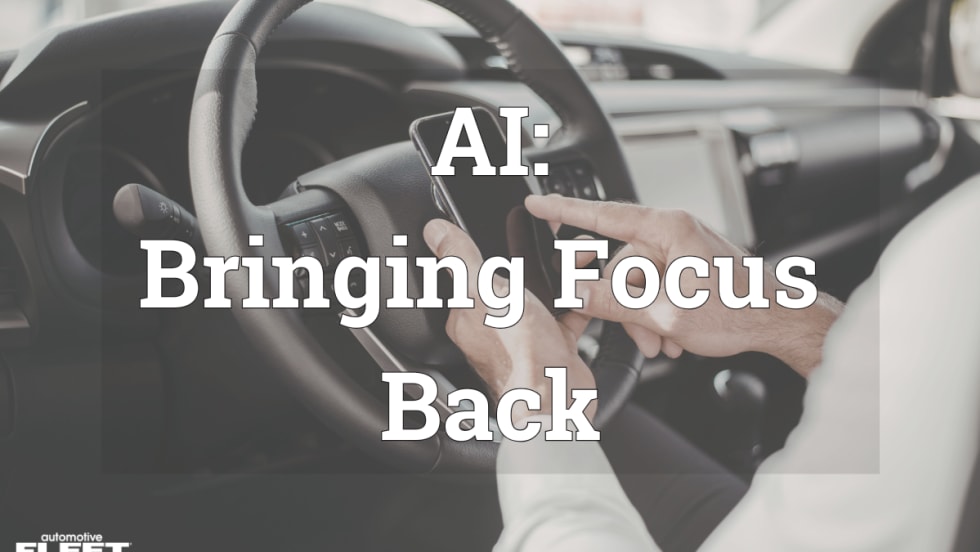
A person in a car on their phone behind the steering wheel.
Safetyby Jeanny RoaApril 1, 2026

Distracted Driving in the Age of Smart Tech – Part 1

A two-part conversation with Stefan Heck on how AI is transforming the fight against distracted driving. As fleets adopt smarter tools, the focus shifts from reacting to preventing risk. In Part 1, we look at where AI is making an impact for fleets today.

Read More →
Pedestrians crossing a busy street, highlighting the importance of driver awareness and caution to prevent pedestrian accidents.
Safetyby StaffMarch 30, 2026

Pedestrian Safety Starts With the Driver

More people on foot means more risk for drivers. These pedestrian safety tips can help prevent serious injuries and keep everyone safer on the road.

Read More →
SponsoredMarch 30, 2026

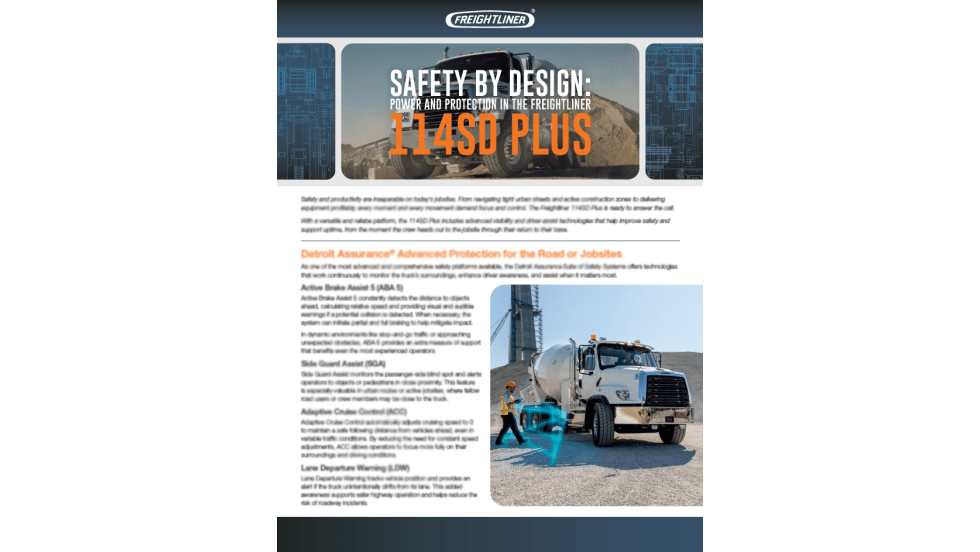
Safety by Design: Power and Protection in the Freightliner 114SD Plus

Fleet managers are under pressure to reduce accidents, control costs, and improve operational efficiency. See how advanced vehicle safety technologies are helping fleets operate smarter and safer.

Read More →
Ad Loading...
Safetyby StaffMarch 26, 2026

Pedestrian Deaths Drop in First Half of 2025, Marking Largest Decline in Years

An 11% drop in pedestrian fatalities in early 2025 signals progress in U.S. road safety, but elevated death rates and ongoing risks underscore the need for continued action from fleets and policymakers.

Read More →