




Report: Hybrid Truck Market to Grow
According to a Pike Research report, the hybrid truck sector will increase from just 9,000 vehicles sold in 2010 to more than 100,000 vehicles annually in 2015, driven by regulatory compliance, improving payback periods.
A recent report from Pike Research forecasts that the hybrid truck sector will reach an inflection point over the next few years, increasing from just 9,000 vehicles sold in 2010 to more than 100,000 vehicles annually in 2015.
"Payback periods on hybrid drive trains are improving for medium and heavy-duty truck classes, particularly as oil prices continue to rise," says senior analyst Dave Hurst. "An increased focus on efficiency and regulatory compliance among fleet managers, combined with a variety of new models being introduced by truck manufacturers, will lead to substantial growth in this market over the next five years."
Hurst adds that there are five types of hybrid systems that can be implemented on board medium-duty and heavy-duty vehicles: (1) hybrid electric , (2) plug-in hybrid electric, (3) battery electric, (4) mild electric power take-off (EPTO) hybrids, and (5) hydraulic hybrids.
Pike Research forecasts that hybrid electric trucks will be the largest segment between now and 2015. Fleets with local delivery trucks will be strong candidates for battery electric vehicles. Pike Research does not anticipate a sizable opportunity for plug-in hybrid electric vehicles (PHEVs) in the medium and heavy-duty truck markets.
Pike Research's study, "Hybrid Trucks and Buses", analyzes the opportunities and challenges in the market for hybrid, plug-in hybrid, and battery electric medium and heavy-duty trucks and buses. The report provides a comprehensive examination of hybrid and battery technologies, along with key drivers of demand from medium/heavy-duty truck fleet customers. The report also explores global government regulations related to diesel emissions and hybrid purchase incentives. It includes detailed forecasts through 2015 for commercial vehicle registrations, hybrid, plug-in hybrid, and battery electric medium and heavy-duty trucks segmented by country and world region, as well as bus fleets for the United States. Key market players are also profiled.
More Green Fleet
EV Charging Use Is Outpacing Infrastructure Growth
ChargePoint’s 2026 Charging Forward Report points to rising charger use, higher-powered charging, commercial vehicle electrification, and energy-management technology. Here’s what fleets should know.
Read More →
Merchants Fleet Reports 290M EV Miles as Fleets Navigate Changing Electrification Market
From millions in operating savings to hundreds of millions of EV miles, Merchants Fleet’s latest report reveals what’s working and what’s changing in fleet electrification.
Read More →
The EV Breakdown Nobody's Talking About: Why Most Electric Vehicle Roadside Calls Aren't Mechanical Failures
Here's why EV breakdowns are widely misunderstood.
Read More →
ChargePoint Now Available in Energy Pass
ChargePoint and additional planned charging network integrations were added to GM's Energy Pass.
Read More →

First Look: Slate Auto's Electric Fleet Pickup
Could an affordable, modular EV pickup make electrification more practical for fleets?
Read More →
Slate Debuts Colorful, Unique EV Models
A recent media and client event, studded with electric vehicles dressed up on platforms, planted a new position for the manufacturer in the wider EV market. Fleets will find cost-saving advantages.
Read More →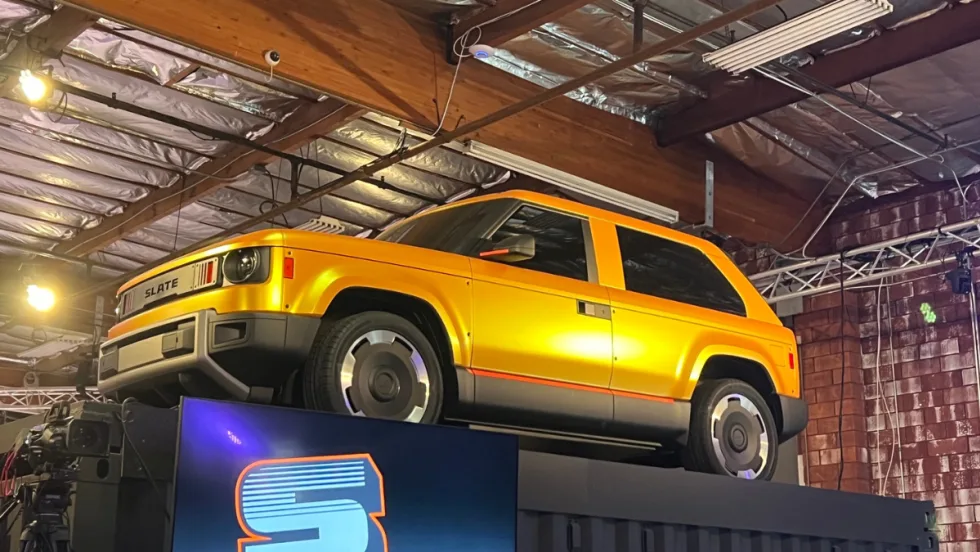
Slate Electric SUV, Pickup Switchable Model Aims For Light-Duty Fleets
Everything about this EV is counterintuitive and understated, making it stand out from the crowd.
Read More →
Inspiration Mobility Acquires Key Electrada Assets
Inspiration Mobility Group has acquired select assets of Electrada, adding the fleet electrification provider's team, technology, and charging infrastructure development capabilities to its energy management business.
Read More →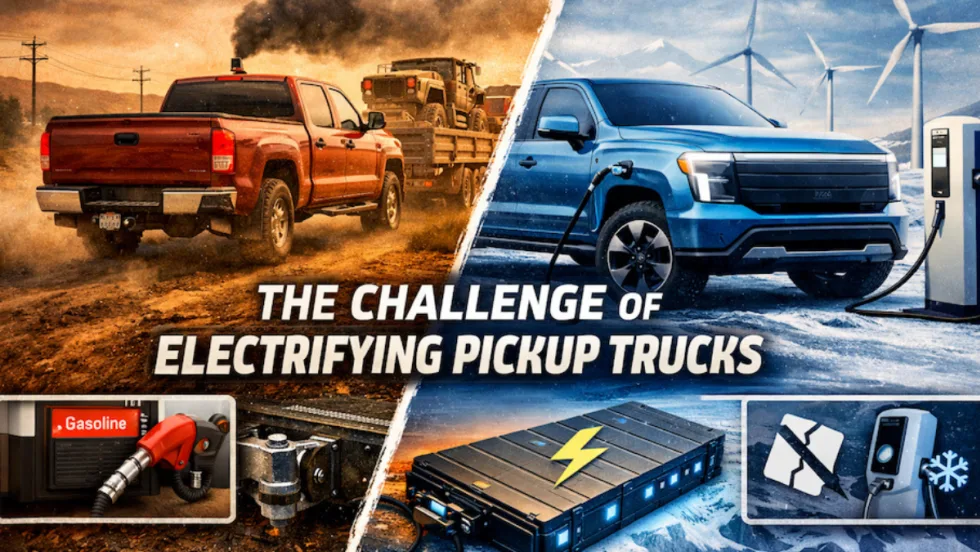
Why America’s Most Popular Vehicle is So Hard to Electrify
Turning America’s favorite workhorse electric means balancing range, payload, charging infrastructure, and price, an equation automakers are still trying to solve.
Read More →