Stellantis is recalling 171,789 vehicles for a visibility issue while Tesla is recalling 817,143 for a seat belt problem and 53,822 for a software glitch.
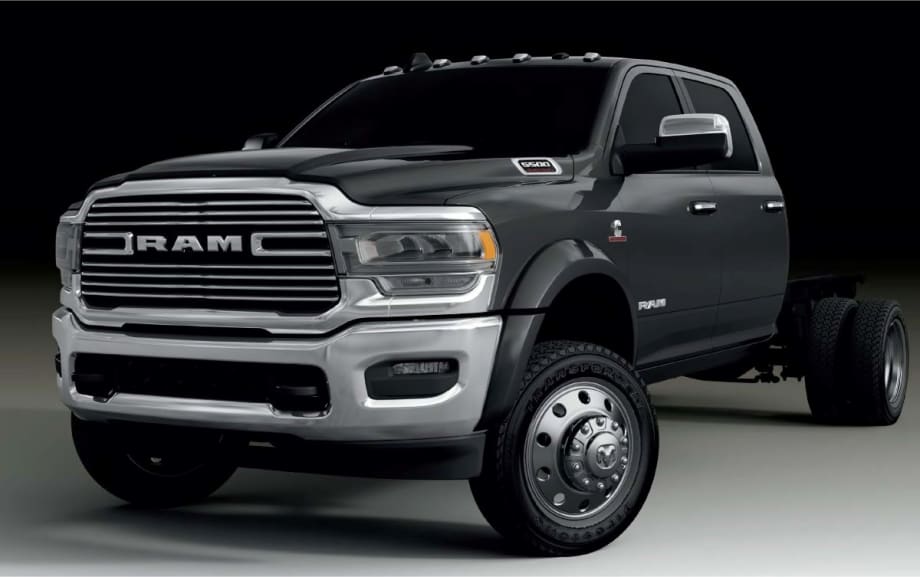
Several Ram pickups are under recall for windshield wiper concerns.
Photo courtesy of Stellantis
2 min to read
Over 50 million vehicles in the United Sates have unrepaired safety recalls, according to the National Safety Council. It’s imperative that fleet operators keep pace with recall news in order to ensure the safety of their drivers and other road users. The following are details regarding recently issued safety recalls from two different automakers.
Ad Loading...
Stellantis
Stellantis is recalling an estimated 171,789 2019-2020 Ram 2500 and Ram 3500 vehicles, Ram 3500 Cab Chassis, 4500 Cab Chassis, 5500 Cab Chassis and 3500 Cab Chassis with a gross vehicle weight rating (GVWR) of less than 10,000 lbs. for a visibility problem. Specifically, the windshield wiper arms may loosen, possibly causing the wipers to function improperly.
Ad Loading...
Wipers that malfunction can reduce the driver's visibility in certain weather conditions increasing the likelihood of a collision.
To fix the problem, dealers will tighten the wiper nuts at no cost to owners.
Owner notification letters will be mailed March 18. This recall is an expansion of recall number 20V-208. Stellantis' reference number for this recall is Z08. Owners can reach Stellantis customer service at (800) 853-1403.
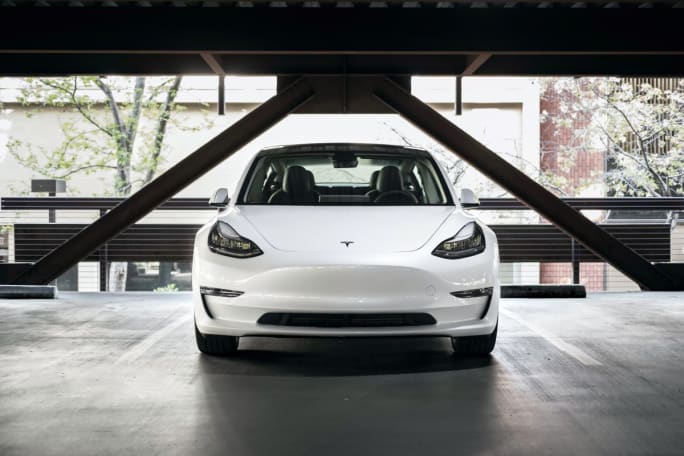
Several Tesla models are under recall for two separate issues: a seatbelt warning chime and rolling stop functions.
Tesla recently issued two safety recalls. The automaker is recalling an estimated 817,143 2021-2022 Model S and Model X, 2017-2022 Model 3, and 2020-2022 Model Y vehicles for a seat belt problem. Specifically, the audible chime may not activate when the vehicle starts and the driver has not buckled their seat belt.
This is a hazardous situation as the driver may be unaware that their seat belt is not fastened, increasing the risk of injury in the event of a collision.
Ad Loading...
To remedy the matter, Tesla will perform an over-the-air (OTA) software update, free of charge. Owner notification letters will be mailed April 1. Tesla's number for this recall is SB-22-00-002.
In a second action Tesla is recalling approximately 53,822 2016-2022 Model S and Model X, 2017-2022 Model 3, and 2020-2022 Model Y vehicles for a software problem. Specifically, the "rolling stop" functionality available as part of the Full Self-Driving (Beta) software may allow the vehicle to travel through an all-way stop intersection without first coming to a stop.
This is a dangerous scenario as a vehicle’s failure to stop at a stop sign increases the risk of a crash.
To fix the problem, Tesla will perform an over-the-air (OTA) software update that disables the "rolling stop" functionality, at no cost to owners.
Owner notification letters will be mailed March 28. Tesla's reference number for this recall is SB-22-00-001. Owners may contact Tesla customer service at (877) 798-3752.
Could your company's culture be encouraging distracted driving? This week, we're exploring how workplace expectations affect driver safety, what AI, EVs, and autonomous vehicles could mean for the future of fleet management, and how fleet professionals can strengthen their award nominations.
What happens when the people responsible for enforcing safety rules are the ones setting the wrong example? The answer may reveal why some of the biggest risks to fleet drivers have little to do with what's written in the employee handbook.
Rising operating costs, driver safety concerns, and unplanned downtime are putting unprecedented pressure on modern fleets. Discover how fleet managers use embedded OEM connectivity and real-time vehicle data to cut TCO, prevent downtime, and protect drivers without aftermarket telematics hardware.
Mental health belongs in the fleet safety conversation. This week, we’re looking at five ways fleets can support employee well-being before a crisis, plus Holman’s expansion in Mexico, new one-day Fleet Forward passes, and why EV charging demand is outpacing infrastructure growth.
Stefan Heck tells Automotive Fleet that combining more than 10 billion miles of driving history with Nexar's AI models will give fleets deeper insights into driver risk and roadway conditions than either company could provide independently.
Insights from a commercial insurance carrier and a broker show how fleets can turn video telematic data, driver coaching, and improved claims results into a stronger case at insurance renewal.
Fleet compliance isn't just about having policies — it's about consistently enforcing them. This practical guide reveals six hidden compliance risks common in public sector and shared fleet operations and outlines proven strategies to improve visibility, accountability, and audit readiness
The Sept. 15–17 program will feature fleet benchmarking data, case studies, emerging technologies, and implementation strategies while running alongside the NSC Safety Congress & Expo.