




Propel Showcases Hydrogen Fuel Cell Vehicles
SEATTLE --- Propel Fuels, a leading retailer of renewable fuels, on June 1 hosted Seattle's first Hydrogen Vehicle Show at its Downtown Seattle Clean Fuel Point station.
SEATTLE --- Propel Fuels, a leading retailer of renewable fuels, on June 1 hosted Seattle's first Hydrogen Vehicle Show at its Downtown Seattle Clean Fuel Point station.
As part of the 28-city Hydrogen Road Tour, the event previewed the latest in hydrogen fuel cell vehicle design and provided information on how fuel cells fit into the nation's future.
Propel operates a network of Clean Fuel Points self-serve filling stations providing low-carbon fuels.
"Propel's fueling platform delivers advanced low-carbon fuels, including biodiesel from waste stream feedstocks like recycled fats and oils, and locally grown marginal land crops like camelina," said Rob Elam, president and co-founder of Propel. "Our fueling platform has the forward flexibility to accommodate advanced fuels such as bio-methane, hydrogen and electric charging as these vehicle technologies gain momentum in the marketplace. Today's event shows how close these vehicles are to commercialization."
Fuel cell vehicles from Daimler, GM, Honda, Hyundai, Kia, Nissan, Toyota and Volkswagen were on display, and experts from these companies were on hand to answer questions from Propel customers and alternative fuel enthusiasts.
Propel partnered with the California Fuel Cell Partnership, California Air Resources Board (CARB), National Hydrogen Association, US Fuel Cell Council and Powertech Labs to organize the event.
"The Hydrogen Road Tour showcases the progress of hydrogen programs in the U.S. and Canada," said California Fuel Cell Partnership Executive Director Catherine Dunwoody. "These vehicles are comfortable, perform great, refuel in minutes and will travel the distance with zero tailpipe emissions, zero petroleum and greatly reduced greenhouse gases. Thousands of people will get a chance to try these vehicles for themselves."
Fuel cell vehicles are electric vehicles that generate their electricity from hydrogen stored in a tank, instead of recharging from the grid. Fuel cells are also used in transit buses, forklifts, airport tugs, as back-up power for data centers, and as primary power for buildings.
More Green Fleet

Everything You Need to Know About Renewable Diesel
Learn how renewable diesel works, how it differs from biodiesel, and what work truck fleets should know about costs, emissions, and performance.
EV Charging Use Is Outpacing Infrastructure Growth
ChargePoint’s 2026 Charging Forward Report points to rising charger use, higher-powered charging, commercial vehicle electrification, and energy-management technology. Here’s what fleets should know.
Merchants Fleet Reports 290M EV Miles as Fleets Navigate Changing Electrification Market
From millions in operating savings to hundreds of millions of EV miles, Merchants Fleet’s latest report reveals what’s working and what’s changing in fleet electrification.
The EV Breakdown Nobody's Talking About: Why Most Electric Vehicle Roadside Calls Aren't Mechanical Failures
Here's why EV breakdowns are widely misunderstood.
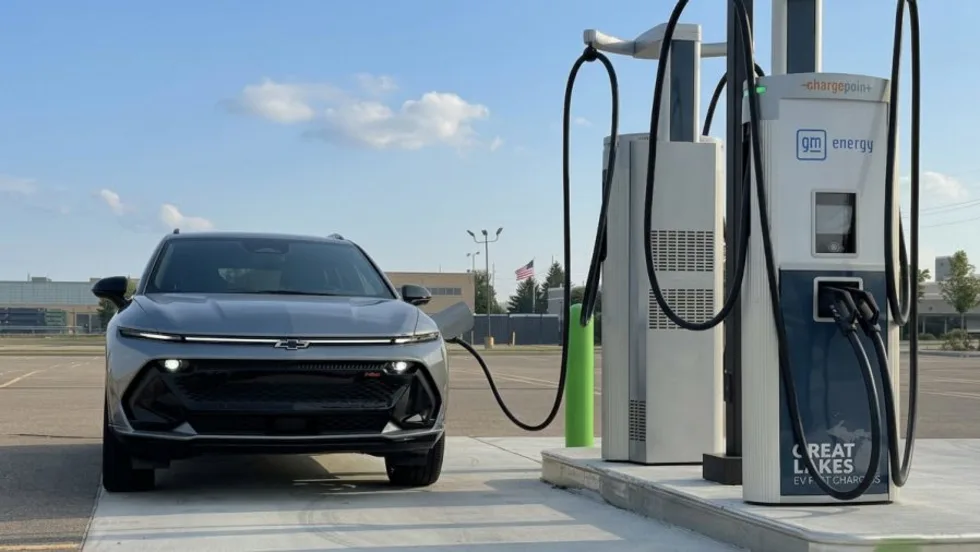
ChargePoint Now Available in Energy Pass
ChargePoint and additional planned charging network integrations were added to GM's Energy Pass.


First Look: Slate Auto's Electric Fleet Pickup
Could an affordable, modular EV pickup make electrification more practical for fleets?

Slate Debuts Colorful, Unique EV Models
A recent media and client event, studded with electric vehicles dressed up on platforms, planted a new position for the manufacturer in the wider EV market. Fleets will find cost-saving advantages.

Slate Electric SUV, Pickup Switchable Model Aims For Light-Duty Fleets
Everything about this EV is counterintuitive and understated, making it stand out from the crowd.
Inspiration Mobility Acquires Key Electrada Assets
Inspiration Mobility Group has acquired select assets of Electrada, adding the fleet electrification provider's team, technology, and charging infrastructure development capabilities to its energy management business.