




Professional Truck Drivers Offer Highway Safety Tips for Thanksgiving Holiday
ARLINGTON, VA – More than 42.5 million motorists are expected to travel over 50 miles this Thanksgiving Holiday, making it one of the busiest holiday travel times of the year. A group of elite professional truck drivers, with millions of accident-free miles, are offering advice on how to navigate through highway traffic safely.
ARLINGTON, VA – More than 42.5 million motorists are expected to travel over 50 miles this Thanksgiving Holiday, making it one of the busiest holiday travel times of the year. A group of elite professional truck drivers, with millions of accident-free miles, are offering advice on how to navigate through highway traffic safely.
Here are their tips, which you might want to pass along to your fleet drivers:
• Prepare your vehicle for long-distance travel -- Check your wipers and fluids. Have your radiator and cooling system serviced. Simple maintenance can prevent many of the problems that strand motorists on the side of the road.
• Plan ahead -- Before you get on a highway, know your exit by name and number, and watch the signs as you near the off-ramp. Drivers making unexpected lane changes to exit often cause accidents.
• Do not cut in front of large trucks -- Remember that trucks are heavier and take longer to make a complete stop, so avoid cutting quickly in front of them.
• Be aware of truck blindspots -- When sharing the road with large trucks, be aware of their blind spots. If you can't see the truck driver in his or her mirrors, then the truck driver can't see you.
• Check your emergency kit -- Contents should include a battery-powered radio, a flashlight, a blanket, jumper cables, a fire extinguisher, a first-aid kit, bottled water, non-perishable foods, maps, a tire repair kit and flares.
• Be aware of changes in weather -- Weather conditions across the U.S. will be changing, especially during early mornings and evenings with the cold. Watch for ice, snow and other weather-related obstacles.
• Keep your eyes on the road -- Distracted driving is a major cause of traffic accidents. Even just two seconds of distraction time doubles the chances of an accident. Use your cell phone when stopped and never text while driving.
• Leave early and avoid risks -- Leave early so you won't be anxious about arriving late and to accommodate delays. Road conditions may change due to inclement weather or traffic congestion.
• Avoid extreme weather conditions -- Ice, hail and snow make roads difficult to travel. Try to avoid driving through extreme weather conditions, and travel during daylight.
• Remove ice and snow from your vehicle -- Clear your windows and roof of snow to ensure you have maximum visibility and avoid creating a hazard for the vehicle behind you. Don't allow ice and snow to create additional blindspots.
• Be aware of the vehicle in front of you -- Leave extra room between you and the vehicle in front so you can avoid snow and ice blowing onto your windshield or maneuver around patches of ice.
• Slow Down -- With the extra highway congestion resulting from holiday travel, speeding becomes even more dangerous. Allow plenty of space cushions and reduce your speed.
• Buckle up -- Safety belts reduce the risk of fatal injury by 45 percent and are a simple way to increase your safety on the road.
"Thanksgiving is a challenging time on the highways," said Bob Weller, a driver for Hahn Transportation and a member of Share the Road Professional Drivers. "Between motorists visiting families or shopping during the start of the holiday shopping season, our highways are busier than ever. There is nothing better than patience and safe driving practices behind the wheel."
The Share the Road Professional Drivers would like to remind drivers that from driveway to highway, safety requires patience and dedication.
More Safety

How Better Visibility Cut Speeding Violations by 48%
Fleet leaders don't need more data, they need clearer visibility into what the data is saying. This case study explores how one utility replaced speeding-event counts with a single metric — miles driven in violation — to strengthen safety and significantly reduce speeding violations.
Read More →
Operation Safe Driver Week: Why the Industry's Oldest Safety Campaign Still Matters to Fleets
A look at how a 2007 enforcement initiative became one of the most consequential weeks on the fleet safety calendar, and what it means for your drivers in 2026.
Read More →
Nexar-Nauto Merger Aims to Give Fleets Better Safety Intelligence Through Larger Driving Dataset
Stefan Heck tells Automotive Fleet that combining more than 10 billion miles of driving history with Nexar's AI models will give fleets deeper insights into driver risk and roadway conditions than either company could provide independently.
Read More →
From Silos to Solutions: Relationship Management for Safer Fleets
From telematics adoption and driver accountability to policy consistency and risk mitigation, this episode breaks down what it really takes to build a safer fleet culture without slowing business down.
Read More →
IIHS Launches First Commercial Vehicle Safety Evaluations
The Insurance Institute for Highway Safety has begun evaluating heavy-duty pickups and cargo vans for driver protection. Which models earned top marks?
Read More →
Reducing Risk by Eliminating Phone Use Behind the Wheel
Hosted with the cofounder of Lifesaver Mobile, this episode addresses phone use behind the wheel and how to design a driving environment that actually helps prevents accidents.
Read More →
Cameras, Safety and Insurance: From Reactive Claims to Real-Time Prevention (Part 2 of 2)
Part Two: Commercial auto remains one of the most challenging and costly lines of coverage for fleet operators and insurers alike. Continue learning more about how to effectively address these issues from Onur Aksan, Enterprise Business Development Executive, Geotab
Read More →
How 5-Second Telematics Data Is Changing Fleet Safety
This episode connects with Steve Santostasi of Ford Pro and covers how a few seconds of data can make a difference in fleet safety.
Read More →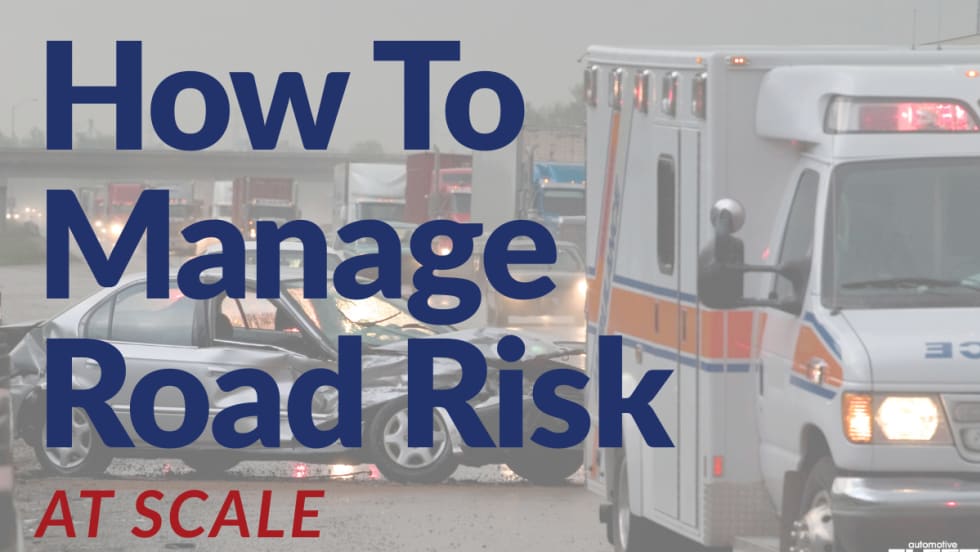
Managing Road Risk at Scale: Why Fleet Safety Needs a Data-Driven Framework
Insights from the FIA Road and Driver Safety Indexes reveal how to manage road risk on a larger scale.
Read More →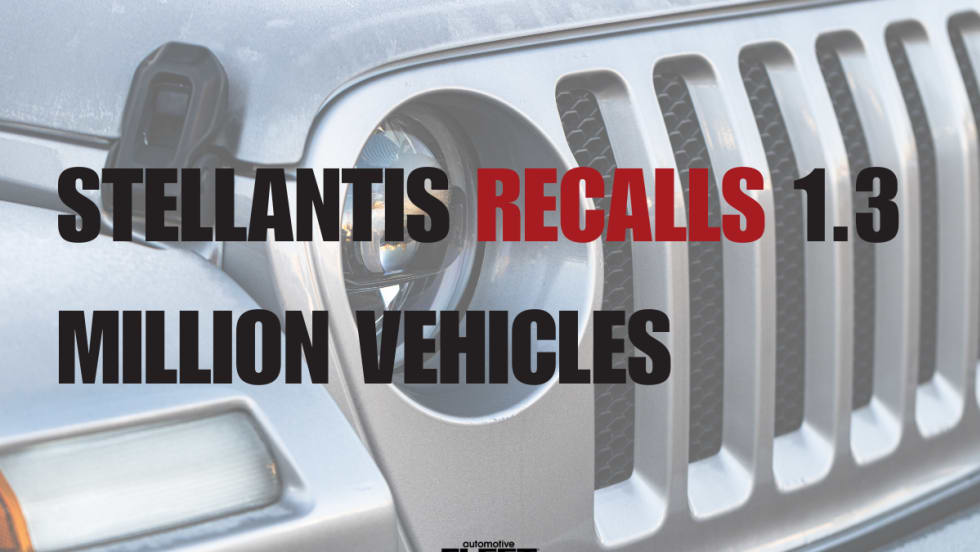
Stellantis Recalls 1.3 Million Jeep Vehicles Worldwide Over Fire Risk
Stellantis is recalling more than 1.3 million Jeep Wrangler and Gladiator models worldwide over a fire risk linked to power steering pump wiring.
Read More →