




Professional Drivers Offer Highway Safety Tips for Thanksgiving
ARLINGTON, VA --- As over 37 million motorists prepare to hit the road this Thanksgiving, a team of accident-free drivers are helping to make our roads safer.
ARLINGTON, VA --- As over 37 million motorists prepare to hit the road this Thanksgiving, a team of accident-free drivers are helping to make our roads safer.
America's Road Team Captains, elite professional truck drivers chosen by the American Trucking Associations, are offering advice on how to navigate through highway traffic and arrive at your destination safely. Tips include:
-- Prepare your vehicle for long distance travel: Check your wipers and fluids. Have your radiator and cooling system serviced. Simple maintenance can prevent many of the problems that strand motorists on the side of the road before you leave your home.
-- Plan ahead: Before you get on a highway, know your exit by name and number, and watch the signs as you near the off-ramp. Drivers making unexpected lane changes to exit often cause accidents.
-- Do not cut in front of large trucks: Remember that trucks are heavier and take longer to make a complete stop, so avoid cutting quickly in front of them.
-- Use a map or GPS: Surprisingly, few motorists plan their routes, even when driving through unfamiliar areas. Knowing the road is essential for safe driving; it allows you to anticipate lane changes and avoid a panicked search for directions.
-- Check your emergency kit: Contents should include a battery-powered radio, flashlight, blanket, jumper cables, fire extinguisher, first aid kit, bottled water, non-perishable foods, maps, tire repair kit and flares.
-- Be aware of changes in weather: Weather conditions across the U.S. will be changing -- especially during early mornings and evenings with the cold. Watch for ice, snow and other weather-related obstacles. Also, remember weather can change dramatically from when you start your trip to when you end. Bring a sweater and watch for the signs.
-- Use common sense: Thanksgiving is the most traveled holiday and more motorists create additional obstacles. Be sure to use extra caution.
-- Leave early and avoid risks: Leave early so you won't be anxious about arriving late and to accommodate delays. Road conditions may change due to inclement weather or traffic congestion.
-- Know your limitations: Don't drive when tired, upset or physically ill. Remember, when traveling in a car, you are in control and can take a break if needed.
-- Be aware of truck blindspots: When sharing the road with large trucks, be aware of their blind spots. If you can't see the truck driver in his or her mirrors, then the truck driver can't see you.
-- Slow Down: With the extra highway congestion due to holiday travel, speeding becomes even more dangerous. Allow plenty of space cushion and reduce your speed.
-- Buckle up: Safety belts reduce the risk of fatal injury by 45 percent and are a simple way to increase your safety on the road.
-- Do not cut in front of large trucks: Remember that trucks are heavier and take longer to make a complete stop, so avoid cutting quickly in front of them.
"Thanksgiving is about being with your family," said America's Road Team Captain Steve Eckhoff. "But this also means that we'll see a rise in highway traffic, with many motorists driving in unfamiliar areas. Caution and patience are especially important so we all arrive safely to our loved ones."
The America's Road Team would like to remind drivers that from driveway to highway, safety requires patience and dedication.
For more information on ATA's America's Road Team, sponsored by Volvo Trucks North America, visit www.americasroadteam.com.
The American Trucking Associations is the largest national trade association for the trucking industry. Through a federation of other trucking groups, industry-related conferences, and its 50 affiliated state trucking associations, ATA represents more than 37,000 members covering every type of motor carrier in the United States.
More Safety
The Safest Fleets Aren’t the Ones with the Most Technology
You’ve made the telematics investment. Here’s how to capture the other half of its value and build the safest fleet on the road.
Read More →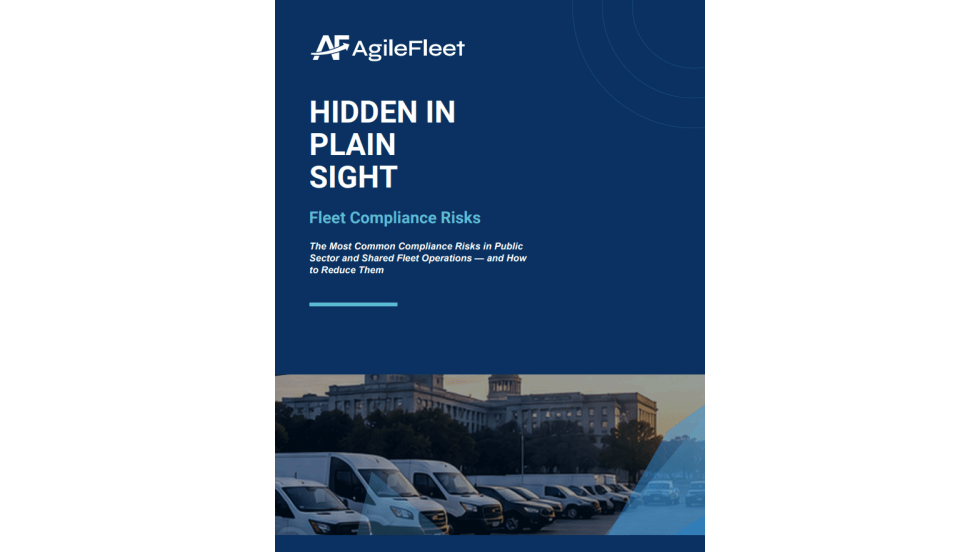
Hidden in Plain Sight: Fleet Compliance Risks
Fleet compliance isn't just about having policies — it's about consistently enforcing them. This practical guide reveals six hidden compliance risks common in public sector and shared fleet operations and outlines proven strategies to improve visibility, accountability, and audit readiness
Read More →
NETS Sets 2026 Fleet Safety Benchmark Conference for Indianapolis
The Sept. 15–17 program will feature fleet benchmarking data, case studies, emerging technologies, and implementation strategies while running alongside the NSC Safety Congress & Expo.
Read More →
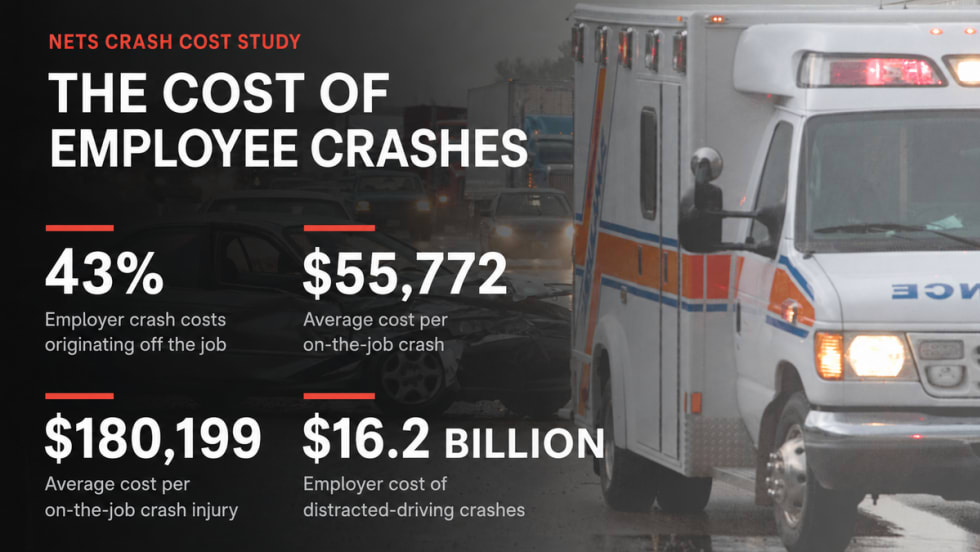
Off-the-Job Crashes Account for 43% of Employers’ $61.7 Billion Crash Burden
NETS quantifies costs dispersed across fleet, risk, HR, and other departments while providing new per-crash benchmarks for employers.
Read More →
Ram Recalls More Than 1.27 Million 1500 Pickups for Seat Belt Anchor Issue
The recall affects certain 2019-2026 Ram 1500 pickups that may have improperly attached second-row seat belt buckle anchors.
Read More →
How Better Visibility Cut Speeding Violations by 48%
Fleet leaders don't need more data, they need clearer visibility into what the data is saying. This case study explores how one utility replaced speeding-event counts with a single metric — miles driven in violation — to strengthen safety and significantly reduce speeding violations.
Read More →
Operation Safe Driver Week: Why the Industry's Oldest Safety Campaign Still Matters to Fleets
A look at how a 2007 enforcement initiative became one of the most consequential weeks on the fleet safety calendar, and what it means for your drivers in 2026.
Read More →
Nexar-Nauto Merger Aims to Give Fleets Better Safety Intelligence Through Larger Driving Dataset
Stefan Heck tells Automotive Fleet that combining more than 10 billion miles of driving history with Nexar's AI models will give fleets deeper insights into driver risk and roadway conditions than either company could provide independently.
Read More →
From Silos to Solutions: Relationship Management for Safer Fleets
From telematics adoption and driver accountability to policy consistency and risk mitigation, this episode breaks down what it really takes to build a safer fleet culture without slowing business down.
Read More →
IIHS Launches First Commercial Vehicle Safety Evaluations
The Insurance Institute for Highway Safety has begun evaluating heavy-duty pickups and cargo vans for driver protection. Which models earned top marks?
Read More →