




Postal Service Seeking Next-Gen Delivery Vehicle
The U.S. Postal Service will meet with automotive manufacturers in Washington, D.C., this week to field questions about its proposal to replace its aging delivery fleet with a next-generation vehicle, according to federal records.

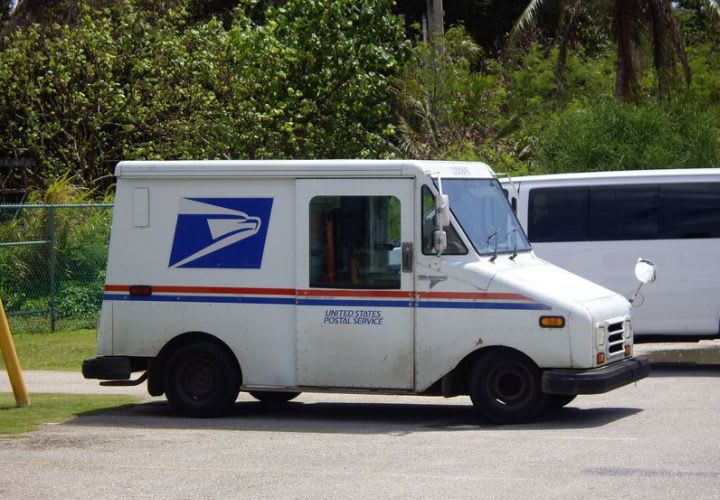
Photo of exising USPS vehicle via Wikimedia.
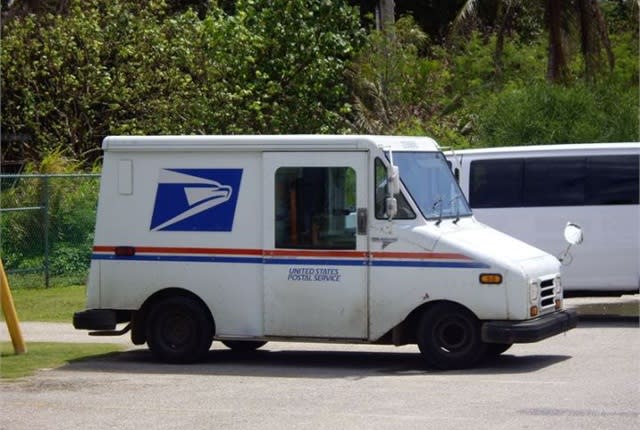
Photo of exising USPS vehicle via Wikimedia.
The U.S. Postal Service will meet with automotive manufacturers in Washington, D.C., this week to field questions about its proposal to replace its aging delivery fleet with a next-generation vehicle, according to federal records.
The Feb. 18 meeting follows a "request for information" released by the USPS on Jan. 20 that included detailed specifications about the new vehicle, which will replace the Long Life Vehicle (LLV) that entered service in 1987.
The USPS plans to replace the majority of its fleet of more than 200,000 vehicles that includes 180,000 light-duty carrier route vehicles. Replacing up to 180,000 LLVs would cost between $4.5 billion and $6.3 billion. The USPS hopes to place the new vehicles into service in January of 2018.
General Motors contributed core components to the LLV including the Chevrolet S-10 chassis, 3-speed transmission paired with rear-wheel drivetrain, and 2.5-liter four-cylinder Pontiac engine. The vehicle was assembled by Grumman in Montgomery, Pa., until 1994.
"GM listens to the needs across a wide range of customers," said Robert Wheeler, communications manager for GM Fleet & Commercial. "The U.S Postal Service is an important customer, and we are early in the process of exploring potential solutions that would work for their needs."
A Ram Truck spokesman acknowledged receipt of the request for information, and a Ford spokesman said the company does not "speculate on potential customer orders." Automotive manufacturers must respond by March 6.
The USPS has said it will give out a single award for the replacement fleet by early January of 2017. Suppliers would submit prototype vehicles for testing by February of 2016.
The existing USPS fleet vehicles average about 5,000 miles per year with an average speed of 15 mph. The higher-mileage units can accumulate 20,000 miles per year. Some of the units can average more than 600 stops per day.
As part of its specifications, the USPS is asking for several requirements, including right-hand steering with a two-wheel drive and a four-wheel drive option; heavy-duty automatic transmission with traction control; enclosed, van-style body with integrated cab and cargo compenent constructed of aluminum alloy or composite materials; sliding driver door and separate cargo side door; 1,500-pound payload capacity; and rear-view camera with monitor.
The next-generation vehicle should be no longer than 230 inches, no taller than 106 inches, and no wider than 85 inches, according to the specification documents.
By Paul Clinton
More Operations

Here's When You Should Make an Exception to Fleet Policy
Fleet policies are designed to create consistency, but not every driver or situation fits neatly within standard rules.
Read More →
AI-Native or AI-Acquired: What Should Fleet Managers Look for in an AI Platform?
Six questions can help fleet managers look beyond AI marketing claims to evaluate integration, data access, and real-world operational performance.
Read More →
A buyer's guide to fleet management software in 2027
Buying fleet management software in 2027 means looking beyond features and price. As fleet operations, technology and expectations evolve, this guide explores what today’s fleet professionals should consider when choosing a system that can deliver value now and adapt to what comes next.
Read More →

What Will Shape the Next Era of Fleet Management?
EVs, AI, and autonomous vehicles are reshaping fleet management. Discover what’s ahead—and how fleet leaders can prepare for the next era.
Read More →
How Fleets Can Recruit and Train Veterans for Technician Roles
Here's how the technician shortage has affected uptime for fleets, and what to do about it.
Read More →
Avis Budget Group Deploys Neology Toll Management Technology Across Major Brands
Neology’s neoFleet platform will manage toll transactions and toll-authority operations for vehicles across Avis, Budget, Payless, Budget Truck and Zipcar.
Read More →
Fleet Personal-Use Charges Edge Higher in 2026
Nearly eight in 10 surveyed fleets allow personal use of company vehicles, while just over half of respondents report charging employees for the privilege.
Read More →
The Future of Fleet + What’s Changing Right Now | AF News Recap
Could developments overseas offer a preview of what’s coming for U.S. fleets? This week, we’re looking at the future of AI, autonomy, and electrification, plus Ford Pro’s new certified pre-owned program, smarter vehicle offboarding, and a new way for fleets to manage toll expenses.
Read More →
How to Handle Vehicle Offboarding
What do fleet managers need to do when a driver leaves?
Read More →
Fleet Manager’s Ultimate Playbook: Navigating the New Standard in OEM Connectivity
Rising operating costs, driver safety concerns, and unplanned downtime are putting unprecedented pressure on modern fleets. Discover how fleet managers use embedded OEM connectivity and real-time vehicle data to cut TCO, prevent downtime, and protect drivers without aftermarket telematics hardware.
Read More →