




Plans for Biodiesel Crop in Montana Suffer Setbacks
BILLINGS, MT --- Rising prices for traditional crops like wheat have stalled plans to convert millions of acres of Northern Plains farmland to grow a biodiesel crop known as camelina, the Associated Press reported.
BILLINGS, MT --- Rising prices for traditional crops like wheat have stalled plans to convert millions of acres of Northern Plains farmland to grow a biodiesel crop known as camelina, the Associated Press reported.
In Montana, the number of acres devoted to the oilseed crop fell by more than half this year from the 22,500 acres planted in 2007, preliminary federal figures indicate. That's a major setback for a crop widely touted as an ideal source of plant oils needed to make alternative fuels, AP reported.
"There were some big numbers being thrown around, but it just hasn't come to fruition," John Hilton, deputy director of the National Agricultural Statistics Service field office in Helena, told AP.
Camelina requires little water to grow and tolerates extreme cold weather, making it ideal for the arid Northern Plains. Just a year ago, several companies announced plans to collectively produce more than 200 million gallons of biodiesel from camelina within two to three years. Reaching that goal would require several million acres devoted to the crop, but the rise in wheat prices is dissuading farmers from making the switch to camelina. About 5 million acres of wheat are planted each year in Montana.
Camelina supporters hope for a shift in 2009, as wheat prices drop and make the alternative crop more economically attractive. Yet with prices for diesel also falling, interest in the crop as a fuel source could falter, AP reported.
U.S. Sen. John Tester and Gov. Brian Schweitzer -- both Democrats from Montana -- have promoted camelina as a way to reduce the country's dependence on foreign oil. Tester included a provision in the 2008 Farm Bill that made camelina eligible for federal crop insurance. However, the USDA has yet to implement such a program, AP reported.
More Green Fleet

EV Charging Use Is Outpacing Infrastructure Growth
ChargePoint’s 2026 Charging Forward Report points to rising charger use, higher-powered charging, commercial vehicle electrification, and energy-management technology. Here’s what fleets should know.
Read More →
Merchants Fleet Reports 290M EV Miles as Fleets Navigate Changing Electrification Market
From millions in operating savings to hundreds of millions of EV miles, Merchants Fleet’s latest report reveals what’s working and what’s changing in fleet electrification.
Read More →
The EV Breakdown Nobody's Talking About: Why Most Electric Vehicle Roadside Calls Aren't Mechanical Failures
Here's why EV breakdowns are widely misunderstood.
Read More →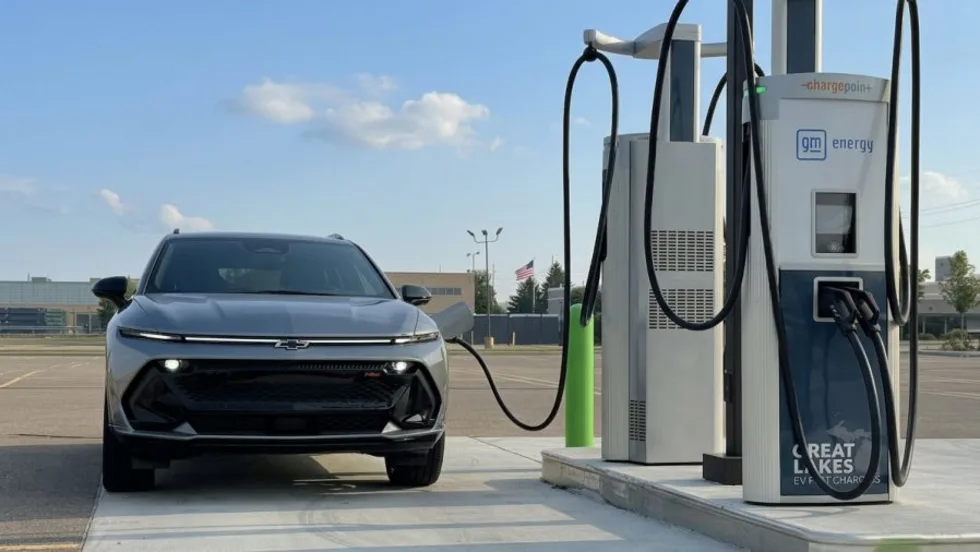
ChargePoint Now Available in Energy Pass
ChargePoint and additional planned charging network integrations were added to GM's Energy Pass.
Read More →

First Look: Slate Auto's Electric Fleet Pickup
Could an affordable, modular EV pickup make electrification more practical for fleets?
Read More →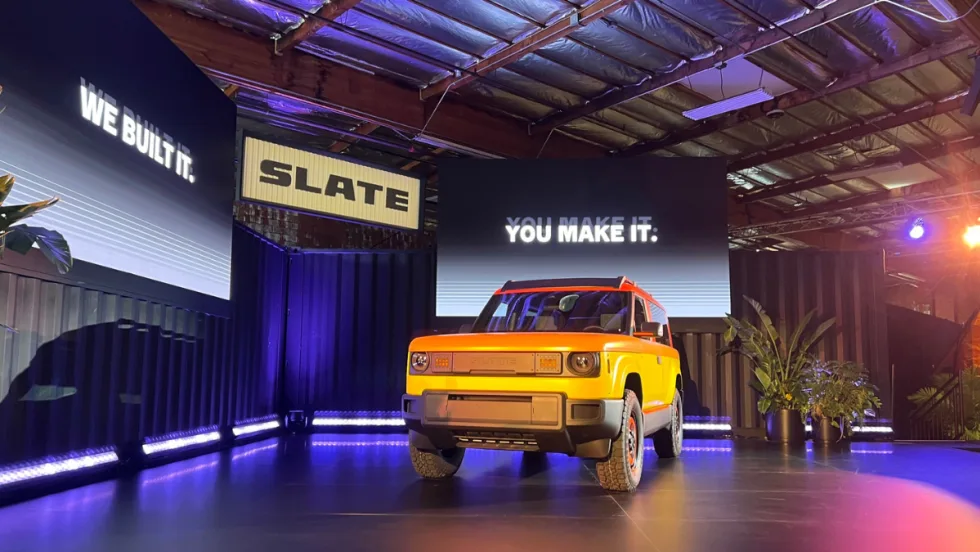
Slate Debuts Colorful, Unique EV Models
A recent media and client event, studded with electric vehicles dressed up on platforms, planted a new position for the manufacturer in the wider EV market. Fleets will find cost-saving advantages.
Read More →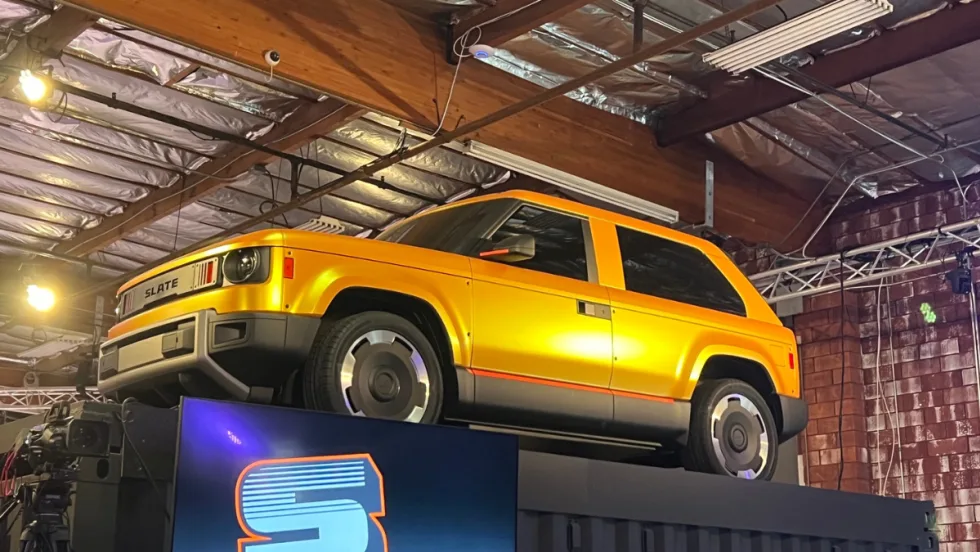
Slate Electric SUV, Pickup Switchable Model Aims For Light-Duty Fleets
Everything about this EV is counterintuitive and understated, making it stand out from the crowd.
Read More →
Inspiration Mobility Acquires Key Electrada Assets
Inspiration Mobility Group has acquired select assets of Electrada, adding the fleet electrification provider's team, technology, and charging infrastructure development capabilities to its energy management business.
Read More →
Turning Connected Vehicle Data Into Decisions That Matter
Fleet leaders have more data than ever, but turning that data into clear, actionable decisions remains a challenge. This white paper shows how leading organizations are using connected vehicle data to improve safety, reduce costs, and optimize fleet performance. Learn how to turn insight into action across your fleet.
Read More →