




Phoenix Man Sentenced for Auto Glass Insurance Scam
PHOENIX, Ariz. --- An Arizona man has been sentenced to 18 months in prison and seven years of probation for his role in an auto glass insurance scam.
PHOENIX, Ariz. --- An Arizona man has been sentenced to 18 months in prison and seven years of probation for his role in an auto glass insurance scam.
Arizona Attorney General Terry Goddard said that Bruce T. Riley, 41, of Chandler, was also ordered to pay $118,031 in restitution. Riley pleaded guilty April 9 to charges of fraud and theft. According to court documents, Riley scammed nine different insurance companies and submitted over 400 fraudulent claims between 2001 and 2005 for auto glass repair and replacement work that was never performed. Riley billed several people’s policies multiple times and in some cases posed as the insured when calling the insurance company to initiate the claims. Riley collected more than $100,000, which he used for his personal benefit.
In a separate case, Riley also pleaded guilty to one count of aggravated driving under the influence and was sentenced to 2.5 years in prison. Maricopa County Superior Court Judge Pamela Svoboda ordered the sentences to be served concurrently.
This case is the result of an investigation conducted by the Arizona Department of Insurance. Assistant Attorney General Samantha Hodapp prosecuted this case.
More Safety
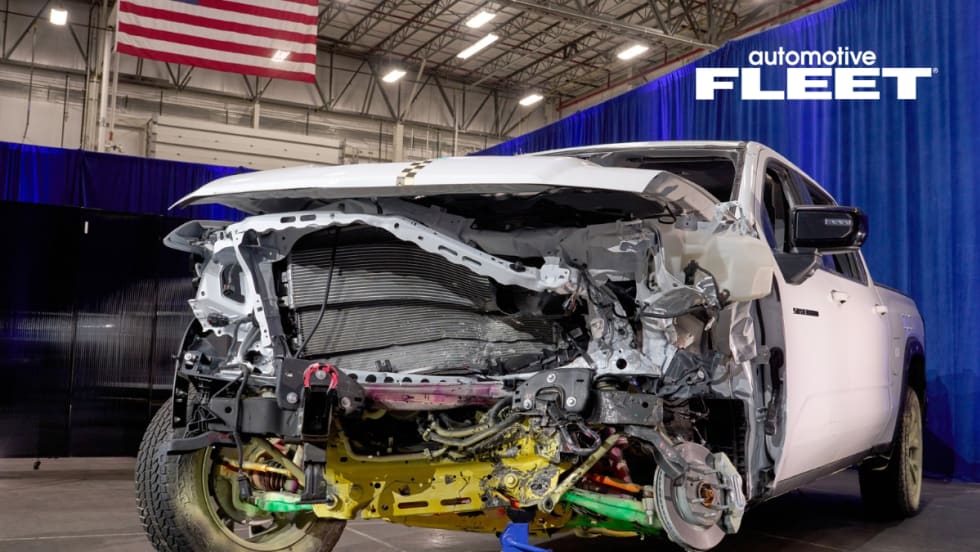
GM Conducts 92,000 Virtual Crash Tests for 2027 Chevrolet Silverado 1500
General Motors used computer simulations to evaluate crash scenarios, occupant protection and vehicle design variations before conducting physical crash tests.
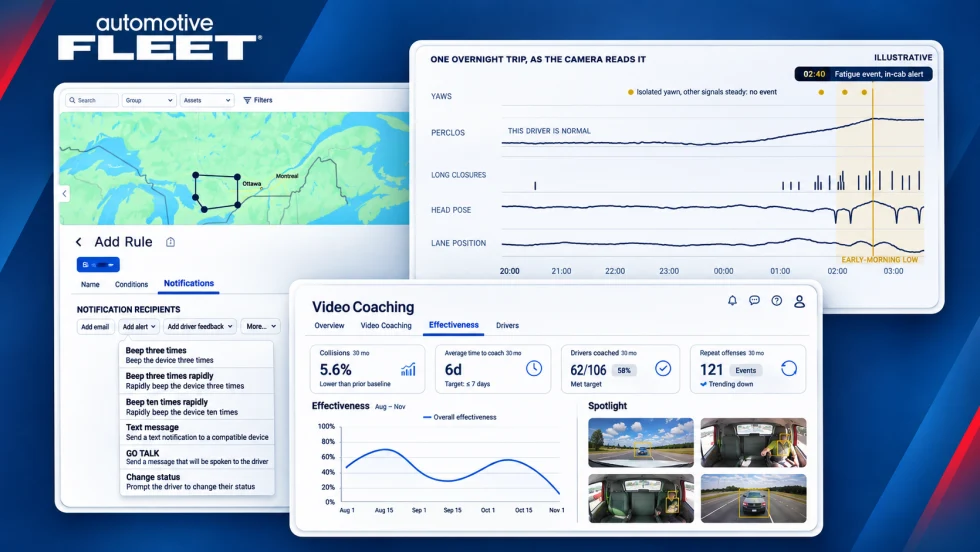
Geotab Adds AI-Powered Driver Coaching and Fatigue Detection Features
New capabilities include fatigue monitoring, two-way audio, coaching effectiveness analytics and location-based privacy controls for fleet safety management.

AAA Testing Finds Gaps in Intersection AEB Crash Prevention
Testing of four 2026 model-year vehicles found that automatic emergency braking prevented collisions in standardized intersection scenarios, but three vehicles failed to avoid crashes when another vehicle turned into their path.

Which Fleet Types Have the Highest Severe Speeding Rates?
New research from SambaSafety finds significant differences in speeding rates across fleet industries, even as nearly 90% of surveyed fleets report using telematics.
When a Cyberattack Hits Your Fleet: What Happens Next?
“You have two opportunities to test your plans: when you choose or when the threat actor chooses.” A cybersecurity expert reveals what fleet managers need to know before a cyberattack puts their operations at risk — and why the decisions made in the first moments can shape the entire recovery.
Tips for Driving Safely on Halloween Night
This video features a reminder from the Connecticut Department of Transportation (DOT) and the Connecticut Police Chiefs Association, urging drivers to prioritize safety this Halloween.
IIHS Crash Avoidance Tests Reveal Safety Gaps in Cargo Vans and Work Trucks
New IIHS crash avoidance ratings show uneven performance among cargo vans and heavy-duty pickups, with most struggling to avoid vehicle-to-vehicle collisions.

What’s Next for Fleet? Safety, AI & Industry Recognition | AF News Recap
Could your company's culture be encouraging distracted driving? This week, we're exploring how workplace expectations affect driver safety, what AI, EVs, and autonomous vehicles could mean for the future of fleet management, and how fleet professionals can strengthen their award nominations.

Does Your Fleet's Culture Encourage Distracted Driving?
What happens when the people responsible for enforcing safety rules are the ones setting the wrong example? The answer may reveal why some of the biggest risks to fleet drivers have little to do with what's written in the employee handbook.

Fleet Manager’s Ultimate Playbook: Navigating the New Standard in OEM Connectivity
Rising operating costs, driver safety concerns, and unplanned downtime are putting unprecedented pressure on modern fleets. Discover how fleet managers use embedded OEM connectivity and real-time vehicle data to cut TCO, prevent downtime, and protect drivers without aftermarket telematics hardware.