




PGE, Oregon to Participate in Electric Vehicle Project
PORTLAND, OR - The project will deploy up to 5,000 electric vehicles and 12,750 charging stations in five U.S. markets.
PORTLAND, OR - Portland General Electric (PGE) and the state of Oregon will participate in the largest rollout of electric vehicles and an associated charging station network in United States history, according to PGE.
The goal of the project is to encourage the expansion of an electric vehicle infrastructure that will eventually be available for widespread use of EV owners throughout the nation. The Electric Transportation Engineering Corporation (eTec) is partnering with Nissan North America on the project to deploy up to 5,000 electric vehicles and 12,750 charging stations in five U.S. markets.
eTec chose to strategically partner with PGE to advance the understanding of EV usage patterns and their impact on the electrical grid, as well as provide synergies with PGE's smart grid initiatives.
"This project will give us a better understanding of how the charging of electric vehicles can effectively be integrated into a smart electric grid at the lowest possible cost," said Jim Piro, president and CEO of PGE.
PGE has already partnered with local governments and businesses to install nearly 20 EV charging stations in the Portland-metro area and Salem.
Dependent upon ongoing contract negotiations, up to 1,000 Nissan electric vehicles will be made available at Oregon Nissan dealerships in fall 2010, and 2,500 charging stations will be installed at homes and businesses beginning in the summer of 2010 for residents and businesses that choose to participate. Level 2 (220V) charging systems will be installed in residential, public and commercial locations. Level 3 fast-charge systems will be installed in high-traffic areas and strategic locations to allow consumers to charge on-the-go and extend daily driving range.
By 2012, it is anticipated more than 750 new jobs will be generated in the U.S. by the proposed project. By supporting the market launch of the Nissan EV, it is expected more than 5,500 new jobs will be in place by 2017 as a direct result of the proposed project.
As part of the project, markets in four other states - Arizona, California, Tennessee and Washington - will also each receive up to 1,000 vehicles. Markets were evaluated and chosen based on favorable regulatory environment, strong market demographics, climate differentials, topographies, and transportation patterns.
Each Nissan EV is expected to save as much as 436 gallons of gasoline per year compared to a comparable family sedan. For the entire fleet of 5,000 demonstration Nissan EVs, the fuel saving would be more than 2 million gallons of gasoline (51,900 barrels) per year. During the two year demonstration period, more than 4.3 million total gallons of gasoline (103,800 barrels) would be saved, according to the automaker.
More information is available at www.ecotality.com.
More Green Fleet
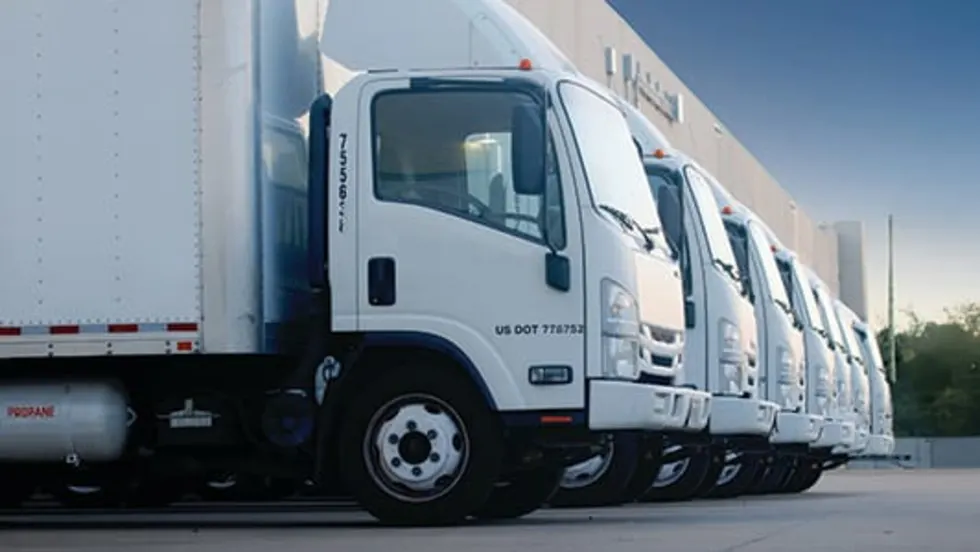
New Propane Autogas Program Offers Fleet Compensation
Qualified commercial fleets can receive $7,500 per eligible propane autogas vehicle and up to $10,000 for new refueling site prep. Learn how the program works and see whether your fleet qualifies.
Read More →
EV Charging Use Is Outpacing Infrastructure Growth
ChargePoint’s 2026 Charging Forward Report points to rising charger use, higher-powered charging, commercial vehicle electrification, and energy-management technology. Here’s what fleets should know.
Read More →
Merchants Fleet Reports 290M EV Miles as Fleets Navigate Changing Electrification Market
From millions in operating savings to hundreds of millions of EV miles, Merchants Fleet’s latest report reveals what’s working and what’s changing in fleet electrification.
Read More →

The EV Breakdown Nobody's Talking About: Why Most Electric Vehicle Roadside Calls Aren't Mechanical Failures
Here's why EV breakdowns are widely misunderstood.
Read More →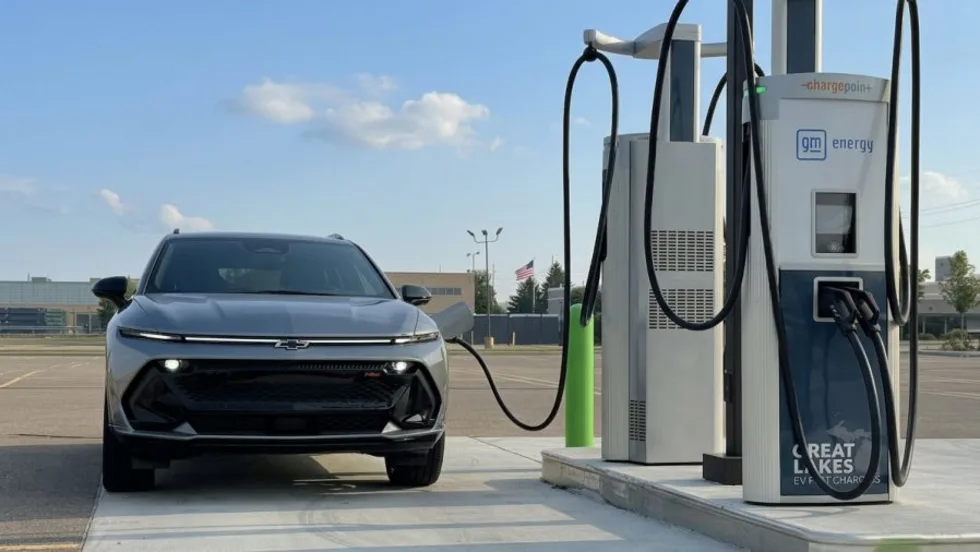
ChargePoint Now Available in Energy Pass
ChargePoint and additional planned charging network integrations were added to GM's Energy Pass.
Read More →

First Look: Slate Auto's Electric Fleet Pickup
Could an affordable, modular EV pickup make electrification more practical for fleets?
Read More →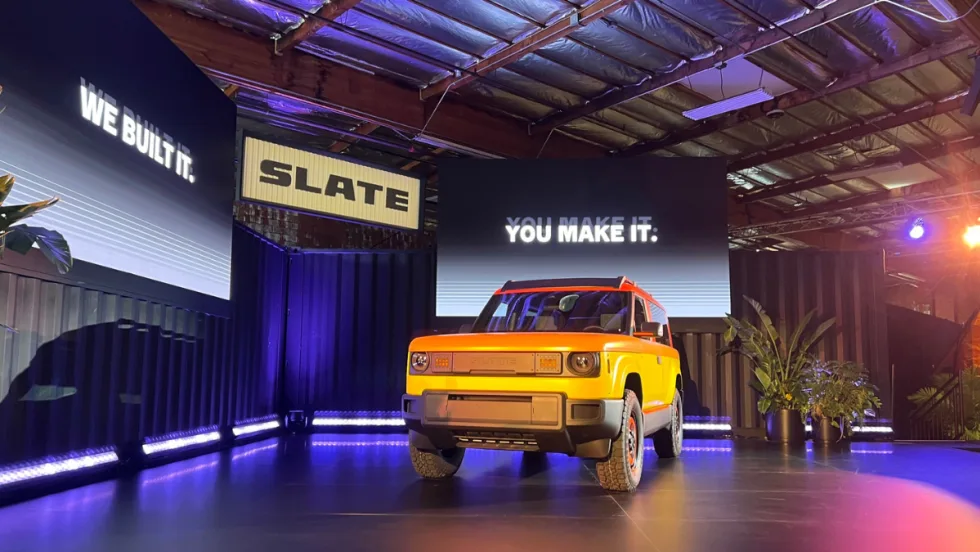
Slate Debuts Colorful, Unique EV Models
A recent media and client event, studded with electric vehicles dressed up on platforms, planted a new position for the manufacturer in the wider EV market. Fleets will find cost-saving advantages.
Read More →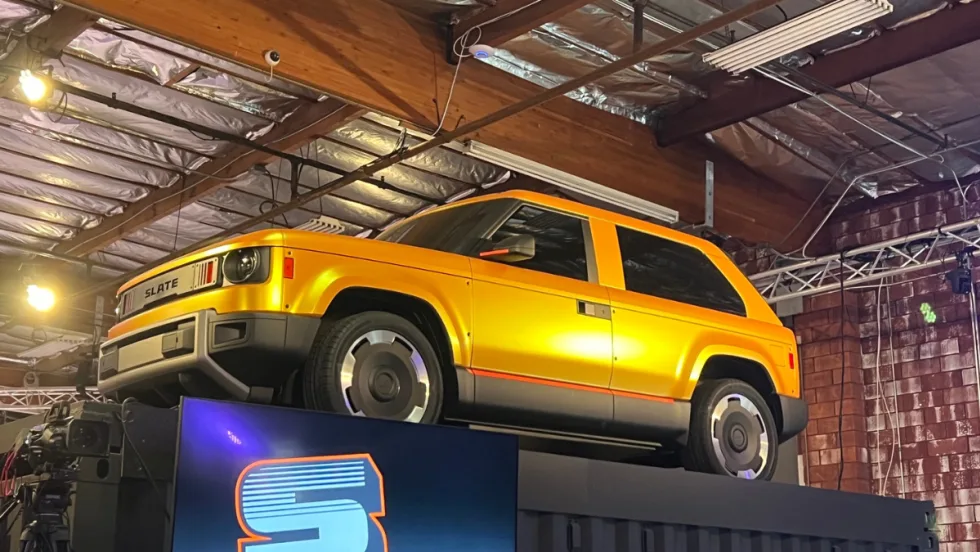
Slate Electric SUV, Pickup Switchable Model Aims For Light-Duty Fleets
Everything about this EV is counterintuitive and understated, making it stand out from the crowd.
Read More →
Inspiration Mobility Acquires Key Electrada Assets
Inspiration Mobility Group has acquired select assets of Electrada, adding the fleet electrification provider's team, technology, and charging infrastructure development capabilities to its energy management business.
Read More →