




PennDOT: Time to Check Vehicles, Pack Emergency Kit
HARRISBURG, PA - With temperatures and wind chills hovering in the teens or lower in Pennsylvania, PennDOT Secretary Allen D. Biehler this week urged motorists to be sure that vehicles are properly serviced and contain a well-stocked emergency kit.
HARRISBURG, PA - With temperatures and wind chills hovering in the teens or lower in Pennsylvania, PennDOT Secretary Allen D. Biehler this week urged motorists to be sure that vehicles are properly serviced and contain a well-stocked emergency kit.
"One of the biggest risks that a driver can take is to venture out during the winter months without ensuring that their vehicle is properly prepared for the rigors of winter driving," Biehler said. "It takes less than 10 minutes to do a quick 'winter-ready' inspection of a vehicle and pack an emergency kit -- two simple steps that will help keep drivers safe this winter."
To perform a "winter-ready" inspection on a vehicle, the Pennsylvania Department of Transportation recommends the following:
Check that fluid levels are full
Make sure wipers do not streak; consider installing winter wiper blades
Ensure that the heater and defroster work properly
Make sure the vehicle's radio is working properly so the driver can receive weather and traffic reports
Make sure all lights are working
Check to be sure all tires are properly inflated and have sufficient tread depth. A quick way to check tread depth is to insert a penny in the tread groove with Lincoln's head upside down. If you can see the entire head, your tires will not provide safe traction in ice, rain and snow.
If the vehicle is driven in an area prone to heavy snow, consider using dedicated snow tires on the vehicle or carry a set of tire chains. At a minimum, all-weather tires should be mud and snow rated.
Look for evidence of fluid leaks. If found, contact a mechanic immediately.
[PAGEBREAK]
PennDOT also urges motorists to pack a winter emergency kit for each vehicle that they drive. According to PennDOT, the emergency kit should contain at a minimum:
Flashlight and batteries
Battery-operated radio
Jumper cables
Extra cell phone batteries and charger
Snow shovel
Matches and candles
First-aid supplies
Extra warm clothing, gloves and boots
Blanket
Ice scraper
Sand
Bottled water
Non-perishable food
Anything else you may need to accommodate passengers (special medication, baby supplies, pet food, etc.).
Pennsylvania motorists can create their own personalized checklists with the template provided online at www.dot.state.pa.us/Winter, PennDOT's winter website. More winter driving tips and information on how PennDOT treats winter storms are also available on this Web site.
"We want all motorists to be ready, be wise and be safe this winter season," Biehler said. "That includes using good judgment about whether it is necessary to travel when weather conditions are poor."
When preparing for winter travel, Pennsylvania drivers can check road conditions on more than 2,900 miles of state roads by calling 511 or visiting www.511PA.com. 511PA, which is free and available 24 hours a day, provides traffic delay warnings, weather forecasts, average traffic speeds on urban interstates and access to more than 500 traffic cameras. The 511 site also provides color-coded winter road conditions for all interstates and other routes covered in the 511 reporting network. Regional Twitter alerts are also available on the 511PA Web site.
More Safety
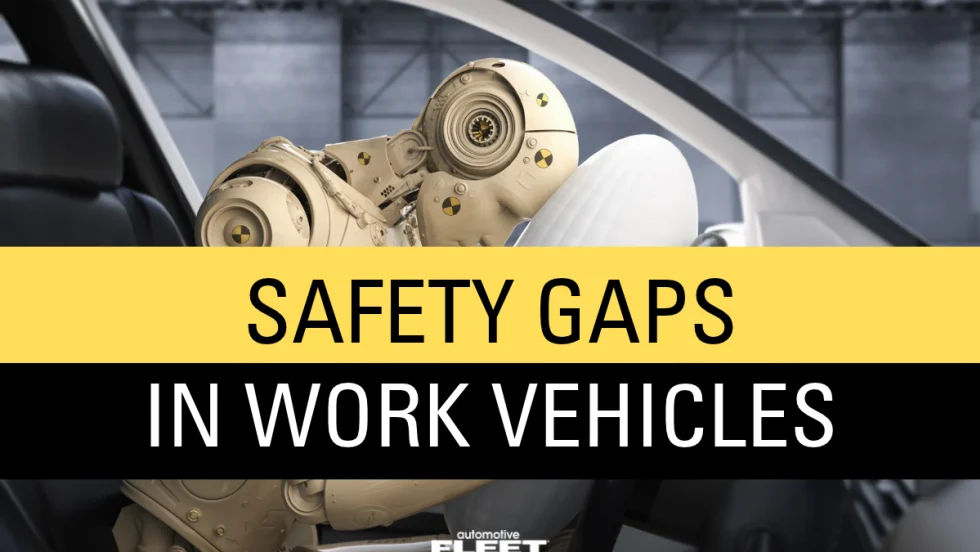
IIHS Crash Avoidance Tests Reveal Safety Gaps in Cargo Vans and Work Trucks
New crash-avoidance ratings from the Insurance Institute for Highway Safety reveal inconsistent performance among commercial vehicles, with several popular cargo vans and heavy-duty pickups struggling to avoid collisions with other vehicles and pedestrians.
Read More →
What’s Next for Fleet? Safety, AI & Industry Recognition | AF News Recap
Could your company's culture be encouraging distracted driving? This week, we're exploring how workplace expectations affect driver safety, what AI, EVs, and autonomous vehicles could mean for the future of fleet management, and how fleet professionals can strengthen their award nominations.
Read More →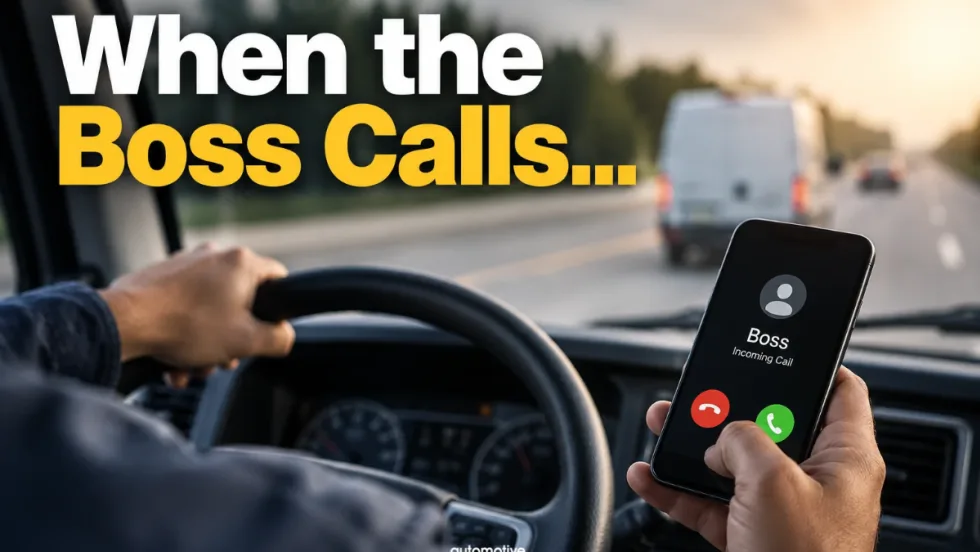
Does Your Fleet's Culture Encourage Distracted Driving?
What happens when the people responsible for enforcing safety rules are the ones setting the wrong example? The answer may reveal why some of the biggest risks to fleet drivers have little to do with what's written in the employee handbook.
Read More →
Fleet Manager’s Ultimate Playbook: Navigating the New Standard in OEM Connectivity
Rising operating costs, driver safety concerns, and unplanned downtime are putting unprecedented pressure on modern fleets. Discover how fleet managers use embedded OEM connectivity and real-time vehicle data to cut TCO, prevent downtime, and protect drivers without aftermarket telematics hardware.
Read More →
From Driver Well-Being to EV Charging | AF News Recap
Mental health belongs in the fleet safety conversation. This week, we’re looking at five ways fleets can support employee well-being before a crisis, plus Holman’s expansion in Mexico, new one-day Fleet Forward passes, and why EV charging demand is outpacing infrastructure growth.
Read More →
Nexar-Nauto Merger Aims to Give Fleets Better Safety Intelligence Through Larger Driving Dataset
Stefan Heck tells Automotive Fleet that combining more than 10 billion miles of driving history with Nexar's AI models will give fleets deeper insights into driver risk and roadway conditions than either company could provide independently.
Read More →
Don't Wait for a Crisis: 5 Ways to Build Mental Health Into Your Fleet Safety Program
For Suicide Prevention Month, fleet and safety leaders have an opportunity to put mental health where it belongs: at the center of workplace safety.
Read More →
How Camera Data Can Strengthen a Fleet’s Insurance Renewal
Insights from a commercial insurance carrier and a broker show how fleets can turn video telematic data, driver coaching, and improved claims results into a stronger case at insurance renewal.
Read More →
The Safest Fleets Aren’t the Ones with the Most Technology
You’ve made the telematics investment. Here’s how to capture the other half of its value and build the safest fleet on the road.
Read More →
Hidden in Plain Sight: Fleet Compliance Risks
Fleet compliance isn't just about having policies — it's about consistently enforcing them. This practical guide reveals six hidden compliance risks common in public sector and shared fleet operations and outlines proven strategies to improve visibility, accountability, and audit readiness
Read More →