




Panasonic to Sponsor MIT Solar Vehicle Team
SECAUCUS, NJ --- Panasonic Corp. announced its support of the Solar Electric Vehicle Team at the Massachusetts Institute of Technology, in their participation of the Global Green Challenge (GGC), to be held in October 2009 in Australia.
SECAUCUS, NJ --- Panasonic Corp. announced its support of the Solar Electric Vehicle Team at the Massachusetts Institute of Technology, in their participation of the Global Green Challenge (GGC), to be held in October 2009 in Australia.
Under the sponsorship agreement, Panasonic is providing the MIT SEVT team with its high-capacity (2.9 Ah), lithium-ion batteries to be used in the team's vehicle. Panasonic will have the right for its logo to appear on the body of the vehicle.
The Global Green Challenge evolved from the World Solar Challenge, a solar car race first held in 1987 in Australia. Today, the Global Green Challenge includes the World Solar Challenge for solar-powered cars, and the Eco Challenge for other types of environmentally conscious production cars including fuel cell, electric and hybrid vehicles.
Teams from universities, corporations and other groups from around the world will compete, driving across the Australian continent from Darwin in the north, to Adelaide in the south, over a distance of 3,021 km.
The MIT SEVT student team will compete in the World Solar Challenge with a solar-powered car using Panasonic lithium-ion batteries to store its solar generated power. Separately, Panasonic will provide the same high-capacity, lithium-ion batteries to a team from Japan's Tokai University that is also competing in the same category.
Solar cars use motors which run on electricity generated by solar panels. Excess electricity is stored in their batteries. The batteries supply electricity to the motor when the electricity from the solar panel is insufficient, due to overcast skies or at night. In other words, the performance of solar cars in races depends not only on the capability of their solar panels, but also the capacity of the batteries and the weight of the battery module.
Panasonic is providing both teams with its 18650-type cylindrical high-capacity, lithium-ion battery cells that are then mounted in arrays within a storage battery module. The same type of battery cells are widely used in laptop computers. Because this type of battery, which features the highest level of energy density, is light and high capacity, it lasts longer and enables making battery modules lighter.
More Green Fleet
EV Charging Use Is Outpacing Infrastructure Growth
ChargePoint’s 2026 Charging Forward Report points to rising charger use, higher-powered charging, commercial vehicle electrification, and energy-management technology. Here’s what fleets should know.
Read More →
Merchants Fleet Reports 290M EV Miles as Fleets Navigate Changing Electrification Market
From millions in operating savings to hundreds of millions of EV miles, Merchants Fleet’s latest report reveals what’s working and what’s changing in fleet electrification.
Read More →
The EV Breakdown Nobody's Talking About: Why Most Electric Vehicle Roadside Calls Aren't Mechanical Failures
Here's why EV breakdowns are widely misunderstood.
Read More →
ChargePoint Now Available in Energy Pass
ChargePoint and additional planned charging network integrations were added to GM's Energy Pass.
Read More →
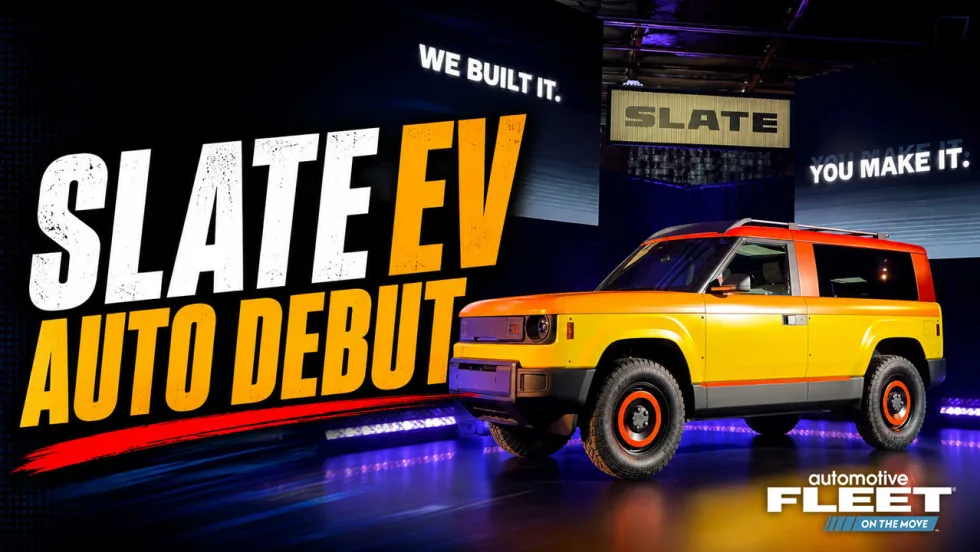
First Look: Slate Auto's Electric Fleet Pickup
Could an affordable, modular EV pickup make electrification more practical for fleets?
Read More →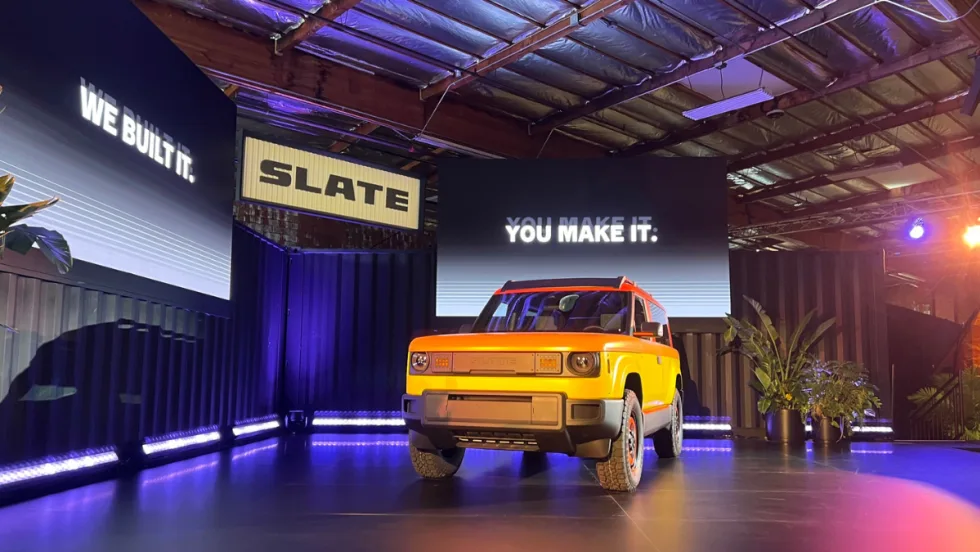
Slate Debuts Colorful, Unique EV Models
A recent media and client event, studded with electric vehicles dressed up on platforms, planted a new position for the manufacturer in the wider EV market. Fleets will find cost-saving advantages.
Read More →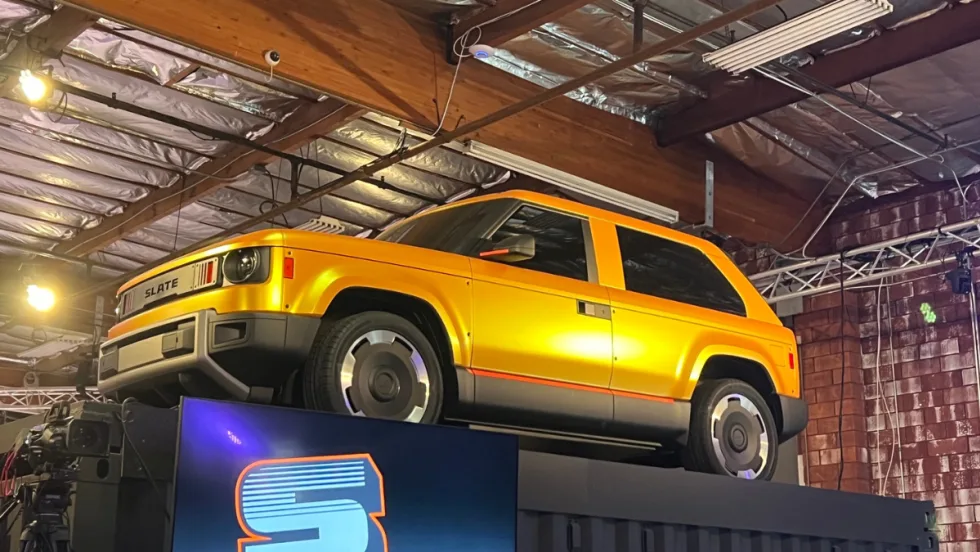
Slate Electric SUV, Pickup Switchable Model Aims For Light-Duty Fleets
Everything about this EV is counterintuitive and understated, making it stand out from the crowd.
Read More →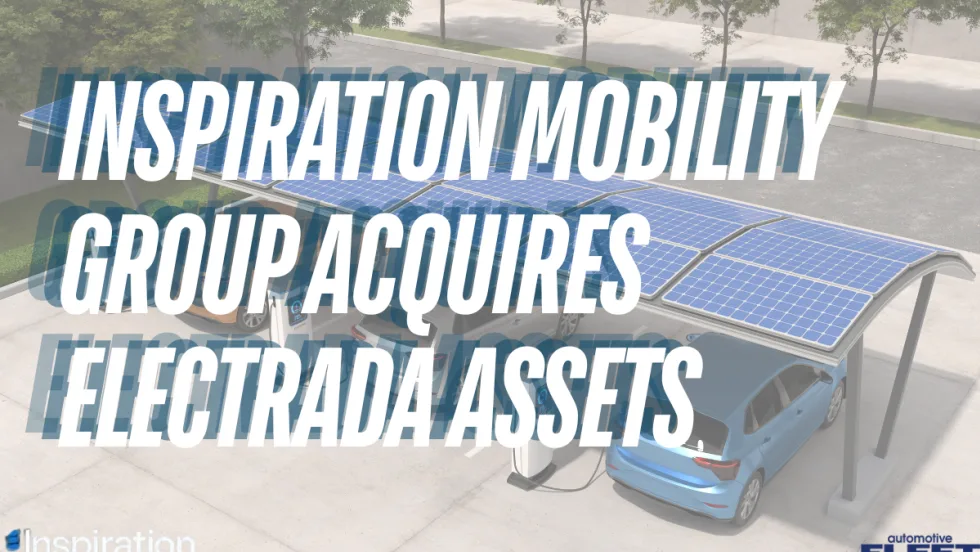
Inspiration Mobility Acquires Key Electrada Assets
Inspiration Mobility Group has acquired select assets of Electrada, adding the fleet electrification provider's team, technology, and charging infrastructure development capabilities to its energy management business.
Read More →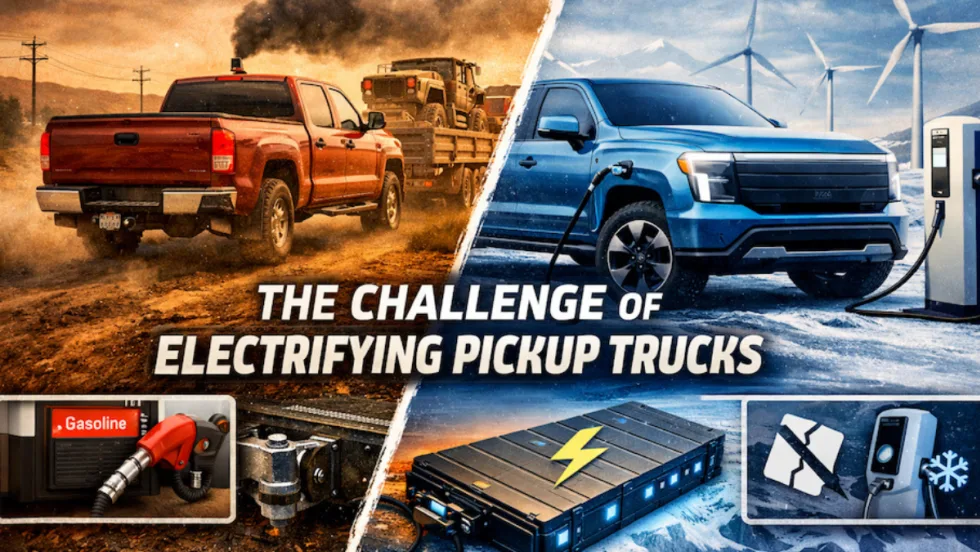
Why America’s Most Popular Vehicle is So Hard to Electrify
Turning America’s favorite workhorse electric means balancing range, payload, charging infrastructure, and price, an equation automakers are still trying to solve.
Read More →