




Overview: New Zealand Fleet Market
New Zealand is a small fleet market due to its terrain and small population. “New Zealand is a mature market with more than 90 percent of businesses classified as small medium enterprises,” said Dennis Kelly, managing director New Zealand for Fleet Partners.



New Zealand is a small fleet market due to its terrain and small population. “New Zealand is a mature market with more than 90 percent of businesses classified as small medium enterprises,” said Dennis Kelly, managing director New Zealand for Fleet Partners.
According to Craig Ross, commercial director for LeasePlan New Zealand, Japanese automakers have dominated with secondhand vehicles from Japan. “Those vehicles typically constituted 60 percent of the ‘new car’ market of 180,000 units and were largely responsible for driving the cost of vehicles down in relative terms, between the years of 1990 to 2008,” he said. “The leasing landscape is well covered by major regional players — Orix and Fleet Partners — and the two big international players — LeasePlan and GE.”
The ongoing economic downturn has had a dramatic impact on New Zealand fleet operations. “Due to the effect of the global recession, we have seen a more focused approach to cost savings and fleet management — moving the responsibility of managing and reporting on fleet efficiencies out of the everyday business and placing it in the hands of the lease provider,” Kelly said. “The need for lease businesses to extend leases and ease any cost increases to their customers during the recession extended the replacement cycle, reducing the volume a dealer might have expected to sell. This has led to mistrust in the market.”
However, the low cost of funds makes ownership a more viable and affordable option for some businesses. “Changes to the vehicle mix in fleets are a result of a lot of businesses downsizing both their fleet size and fleet makeup to provide a more efficient fit for purpose outcome,” Kelly said.
Ross of LeasePlan New Zealand noted that 2009 saw the first prolonged increase in car values for two decades. “This is expected to continue for another two years as the Fukushima tsunami impact is felt on vehicle supply ex Japan and as the new emissions standards reduce the potential import levels of secondhand vehicles,” he said.
The disruption to the supply of new vehicles from Japan, following the March 2011 earthquake and tsunami, has eased. “The reduced pool of used cars has, however, increased buying competition among car dealers. Further upward pressure will come on used-car prices when the final phase of the exhaust emission rules for used-car imports came into force on Jan. 1, 2012,” said Kelly of Fleet Partners. “The change will effectively limit the age of imported used cars. Consequently, many middle-income households will struggle to afford the higher price of used imports.
The forecast for the New Zealand used-vehicle market is optimistic. “The outlook for three-year-old ex-lease car prices remains good,” Kelly added. “The reduced supply of older, used imports as a result of legislation changes will boost demand for cars further up the price scale.
Furthermore, in three years’ time, the unemployment rate is expected to have fallen to around 5.5 percent, giving households more ability and willingness to take on debt.”
--By Mike Antich
More Global Fleet

Holman Takes Full Ownership of ARIZA in Mexico
Holman is bringing its Mexican fleet management operation fully under its own brand after more than 30 years as a joint venture. The change gives multinational fleet customers a single Holman operation across the U.S., Canada, and Mexico.
Read More →
Proven Ways to Reduce Work Truck Downtime
The age-old problem of downtime will always be a reality, but with new strategies at hand, fleets have more ways to keep trucks on the road longer.
Read More →
The Top 300 Commercial Fleets
The Top 300 Commercial Fleets: See the List
Read More →

Cameras, Safety and Insurance: From Reactive Claims to Real-Time Prevention (Part 2 of 2)
Part Two: Commercial auto remains one of the most challenging and costly lines of coverage for fleet operators and insurers alike. Continue learning more about how to effectively address these issues from Onur Aksan, Enterprise Business Development Executive, Geotab
Read More →
Cameras, Safety and Insurance: From Reactive Claims to Real-time Prevention
Commercial auto remains one of the most challenging and costly lines of coverage for fleet operators and insurers alike. Learn more about how to effectively address these issues from Onur Aksan, Enterprise Business Development Executive, Geotab.
Read More →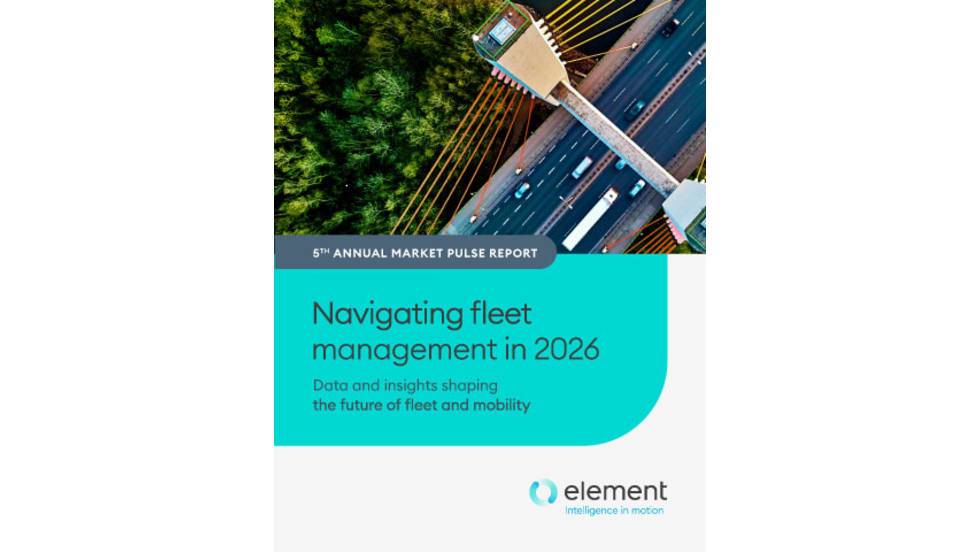
Fleet Costs Are Rising: Here’s How Leaders Are Responding
Fleet leaders are under pressure to reduce costs, adapt to economic uncertainty, and make smarter decisions. See how peers across North America are responding with real data, proven strategies, and forward-looking insights. Download the 2026 Market Pulse Report to benchmark your strategy and uncover where you can gain an edge.
Read More →
Enterprise Fleet Management Surpasses 900,000 Vehicles in U.S. & Canada
Enterprise Mobility connects with mobility solutions around the globe
Read More →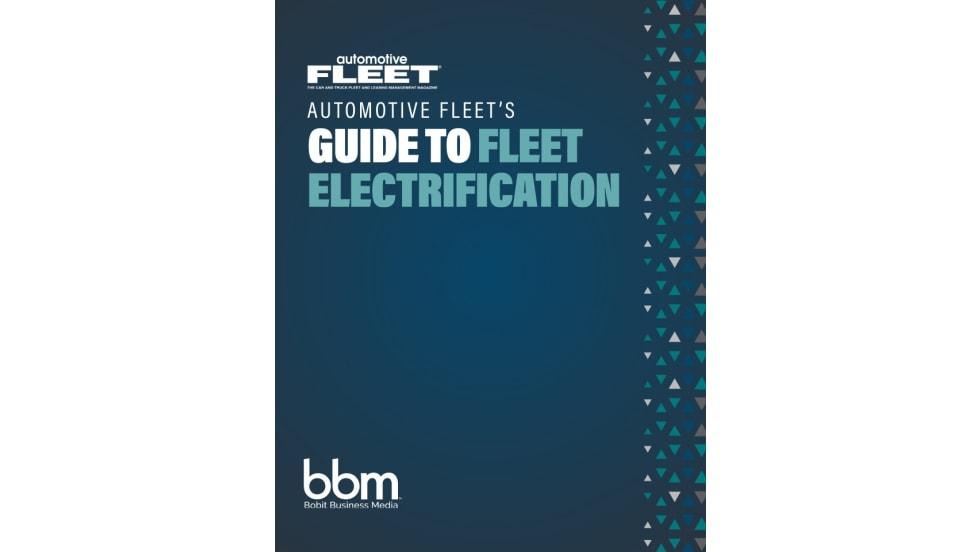
Automotive Fleet's Guide to Fleet Electrification
Unlock the secrets to a successful transition to electric fleets with Automotive Fleet's comprehensive Fleet Electrification Guide!
Read More →
Sumitomo Rubber Industries to Acquire Viaduct
Viaduct will join Sumitomo as an independent subsidiary. Partnership strengthens global reach and accelerates AI-driven innovation for fleets and manufacturing.
Read More →