




OnTerra Adds Multiple Routes to Route Planner
OnTerra Systems and Bing Maps licensing and services have introduced new features for optimizing multiple routes for fleets for its RouteSavvy route planner software and streamline the process of optimizing routes for multiple vehicles to a simple, three-step process.
OnTerra Systems and Bing Maps licensing and services have introduced new features for optimizing multiple routes for fleets for its RouteSavvy route planner software and streamline the process of optimizing routes for multiple vehicles to a simple, three-step process.
In addition, RouteSavvy is an affordable, highly functional alternative to Microsoft's MapPoint software, which is no longer being updated and supported. These new functions offered by RouteSavvy are functions not available in MapPoint, offering another compelling reason for MapPoint users to transition to RouteSavvy.
RouteSavvy's new "Cluster Into New Folders" function allows fleet managers to take a folder of planned locations (customer visits, delivery locations, etc.) and automatically organize those locations into smaller groups by geographic location. For example, if a folder contained 100 locations slated for five delivery trucks, RouteSavvy's new Cluster Into New Folders function can automatically group locations that are closest to each other in the same geographic area. Then each folder with stops all in the same area can be optimized for the most efficient route to minimize drive time and distance, saving time, labor, and fuel costs.
RouteSavvy's second new feature is Multiple Routes, which allows users to create, store, and visualize multiple routes on the same map, with each route depicted in a different color. By visualizing a variety of routes on the same web map in different colors, fleet and operations managers responsible for optimizing routes can visually review multiple routes, identify locations that could be more efficiently grouped into another route, and re-assign specific stops or delivery locations to a more appropriate route to increase efficiency.
RouteSavvy's third enhancement is a Change Stop Order feature. This new function allows users to move a stop from one position to another without using up/down arrows. This is particularly useful for larger routes. For example, if a user has 100 stops and would like to move stop 25 to position 75, they simply right click on the stop and select "Change Stop Order," enter the numeric value and save, and then use the "Get Directions" feature to get driving directions with the new stop order. (When this function is performed, users don't need to optimize the route again as that will reset the stop order and negate the change.
All three of these new functions offered by RouteSavvy are designed to streamline the route planning process for businesses and organizations with multiple vehicles. RouteSavvy's new multi-route functions will streamline and speed up the process of actually planning and optimizing routes, saving time for those in charge of optimizing routes for fleets.
Ideal industries that will benefit from RouteSavvy's new multi-route route optimization features include fleets used for service businesses, delivery, and pick-up businesses, such as: flower deliveries, plumbers, HVAC & electrical service companies, appliance deliveries, waste and recycling pick-up, couriers, product deliveries, commercial cleaning companies, sales and marketing professionals, and more.
"The new multi-route functions are significant enhancements to RouteSavvy that will help our customers optimize routes more quickly and efficiently," said Steve Milroy, OnTerra Systems' president and founder. "In addition, these significant enhancements to the RouteSavvy route planner tool underscore our ongoing commitment to RouteSavvy and our customer's success."
More Telematics
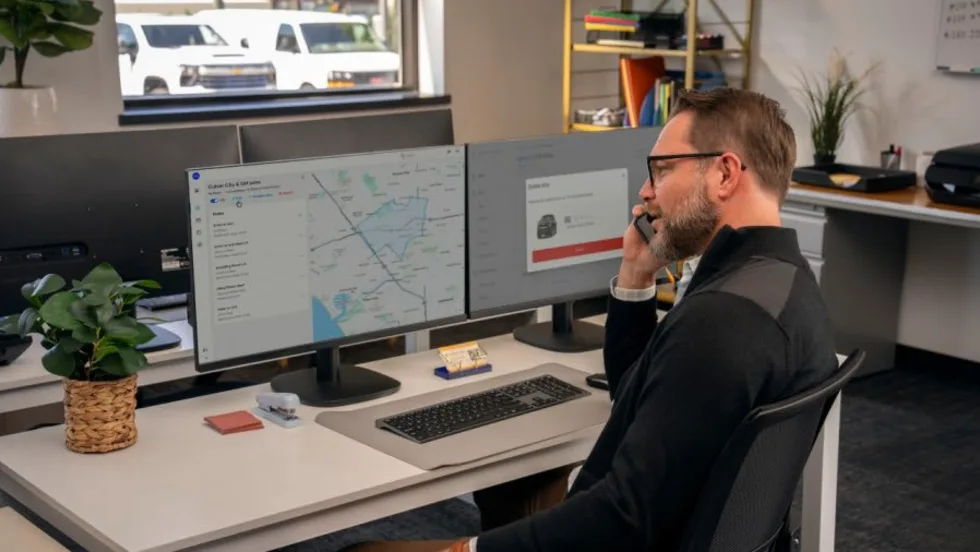
GM Launches OnStar Fleet Intelligence Platform With AI Assistant
The new platform brings vehicle data, order tracking, connected services and fleet analytics into one system, with an AI assistant that can answer fleet questions using natural-language prompts.
Read More →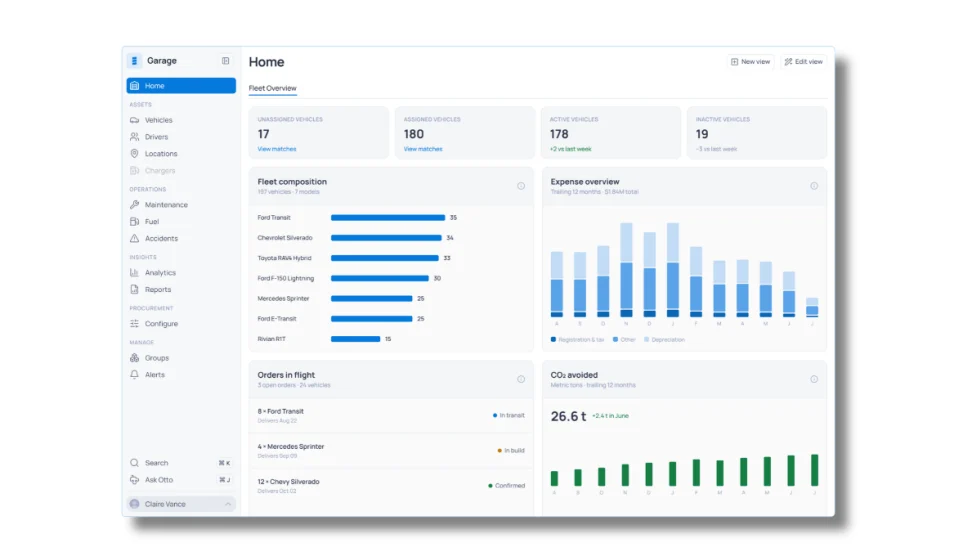
Inspiration Fleet Introduces Garage 2.0 Fleet Intelligence Platform
Fleet managers increasingly have access to data from vehicles, telematics, fuel, charging, and other systems, but those sources don't always communicate with one another. Inspiration Fleet's Garage 2.0 platform brings that information together while letting fleets keep working with different technology and service providers.
Read More →
Inside Inspiration Fleet’s New Platform for Connecting Fleet Data
Inspiration Fleet CTO Chris Getner explains how the new Garage 2.0 platform is designed to connect disparate fleet data and what that could mean for fleet managers in practice.
Read More →
Fleet Manager’s Ultimate Playbook: Navigating the New Standard in OEM Connectivity
Rising operating costs, driver safety concerns, and unplanned downtime are putting unprecedented pressure on modern fleets. Discover how fleet managers use embedded OEM connectivity and real-time vehicle data to cut TCO, prevent downtime, and protect drivers without aftermarket telematics hardware.
Read More →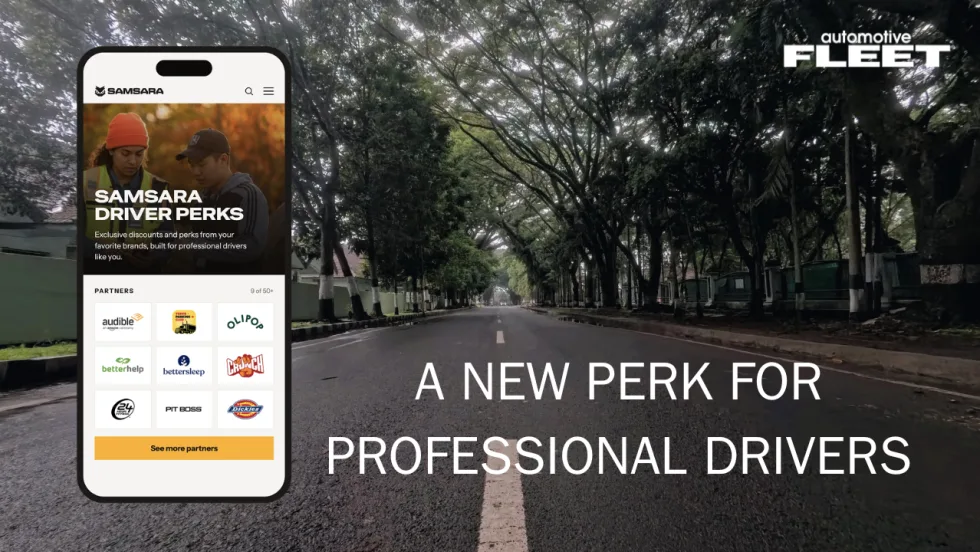
Samsara Driver Perks Adds New Benefit for Corporate Fleet Drivers
The rewards program gives eligible professional drivers access to discounts from more than 50 brands while giving fleets another way to support recruitment, retention, and the driver experience.
Read More →
Inside the Church of Jesus Christ of Latter-day Saints’ Two-Track Telematics Strategy
With 20,000 vehicles and two fundamentally different driver populations, the Church faced a fleet management problem that a single telematics program couldn't solve. How it responded offers a replicable framework for any fleet where one size doesn't fit every driver.
Read More →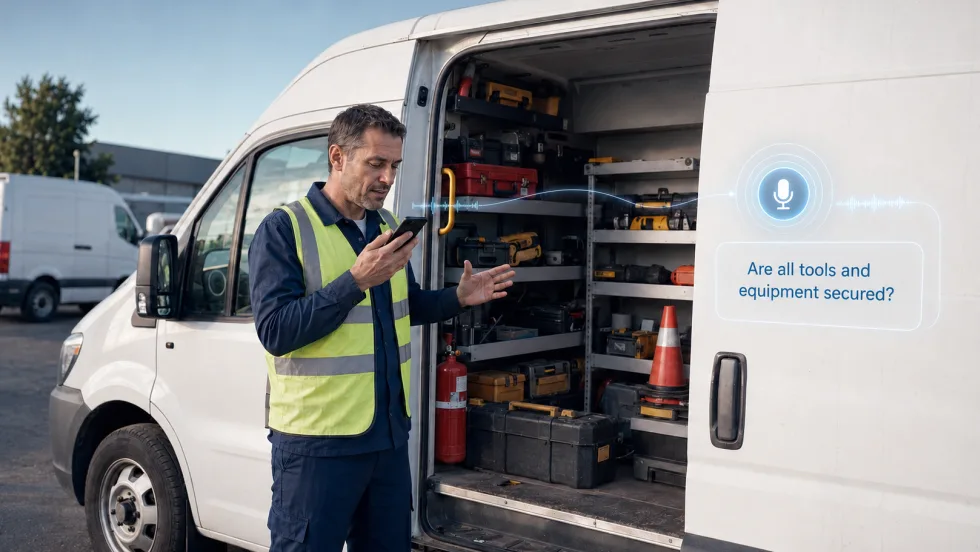
How Conversational AI Can Make Fleet Tasks Easier for Drivers
While most generative AI tools help fleet managers interpret data at their desks, Connex2X is applying voice interaction to tasks behind the wheel.
Read More →
Why Fleets Are Creating Dedicated Fleet Analyst Positions
Are fleet analyst positions the new norm? Listen here to find out.
Read More →
Teletrac Navman Begins Next Chapter as Standalone Private Company
What's new with Teletrac Navman and its new owner?
Read More →
Why Fleets Are Creating Dedicated Fleet Analyst Positions
Telematics, AI, EVs, and connected technologies are generating more fleet data than traditional teams can effectively manage. Reed Jackson explains why dedicated fleet analytics roles are emerging to turn that information into better operational decisions.
Read More →