




Only 2.5 % of Population Can Drive ‘Safely’ While on Phone
SALT LAKE CITY - In a new study, psychologists have identified a group of people who can successfully do two things at once, in this case talking on a cell phone while operating a driving simulator without noticeable impairment.
SALT LAKE CITY - In a new study, psychologists have identified a group of people who can successfully do two things at once, in this case talking on a cell phone while operating a driving simulator without noticeable impairment, according to LiveScience.com.
Supertaskers only make up about 2.5 percent of the general population, however, study team member James Watson of the University of Utah told LiveScience.com.
"Given the number of individuals who routinely talk on the phone while driving, one would have hoped that there would be a greater percentage of supertaskers," Watson said, according to LiveScience.
"And while we'd probably all like to think we are the exception to the rule, the odds are overwhelmingly against it. In fact, the odds of being a supertasker are about as good as your chances of flipping a coin and getting five heads in a row."
In the study, the researchers assessed the performance of 200 participants over a single task (simulated freeway driving), and again with a second demanding activity (a cell phone conversation that involved memorizing words and solving math problems). Performance was then measured in four areas: braking reaction time, following distance, memory, and math execution.
[PAGEBREAK]
As expected, the driving ability of most of the participants suffered if they simultaneously talked on their cell phones, reported LiveScience.
It took them 20 percent longer to hit the brakes when needed, and following distances increased 30 percent as the drivers failed to keep pace with the simulated traffic. Memory performance declined 11 percent, and the ability to do math problems fell 3 percent, LiveScience reported.
However, when supertaskers talked while driving, they displayed no change in their normal braking times, following distances or math ability, and their memory abilities actually improved 3 percent, according to LiveScience.
"There is clearly something special about the supertaskers," said study co-author David Strayer, also of the University of Utah.
"Why can they do something that most of us cannot? Psychologists may need to rethink what they know about multitasking in light of this new evidence. We may learn from these very rare individuals that the multitasking regions of the brain are different and that there may be a genetic basis for this difference."
Watson and Strayer are now studying expert fighter pilots under the assumption that those who can pilot a jet aircraft are also likely to be natural supertaskers, reported LiveScience.
The study will be published later this year in the journal Psychonomic Bulletin and Review.
More Safety

Nexar-Nauto Merger Aims to Give Fleets Better Safety Intelligence Through Larger Driving Dataset
Stefan Heck tells Automotive Fleet that combining more than 10 billion miles of driving history with Nexar's AI models will give fleets deeper insights into driver risk and roadway conditions than either company could provide independently.
Read More →
Don't Wait for a Crisis: 5 Ways to Build Mental Health Into Your Fleet Safety Program
For Suicide Prevention Month, fleet and safety leaders have an opportunity to put mental health where it belongs: at the center of workplace safety.
Read More →
How Camera Data Can Strengthen a Fleet’s Insurance Renewal
Insights from a commercial insurance carrier and a broker show how fleets can turn video telematic data, driver coaching, and improved claims results into a stronger case at insurance renewal.
Read More →
The Safest Fleets Aren’t the Ones with the Most Technology
You’ve made the telematics investment. Here’s how to capture the other half of its value and build the safest fleet on the road.
Read More →
Hidden in Plain Sight: Fleet Compliance Risks
Fleet compliance isn't just about having policies — it's about consistently enforcing them. This practical guide reveals six hidden compliance risks common in public sector and shared fleet operations and outlines proven strategies to improve visibility, accountability, and audit readiness
Read More →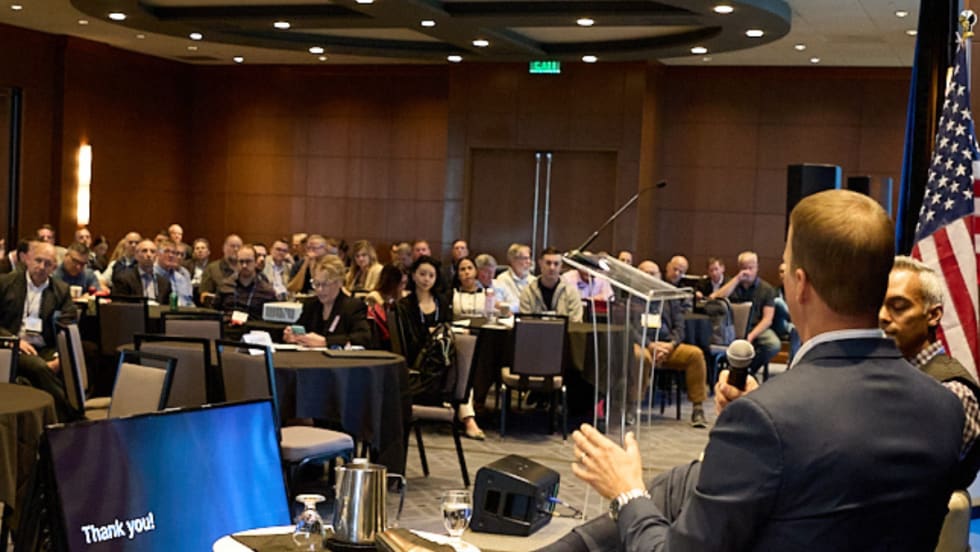
NETS Sets 2026 Fleet Safety Benchmark Conference for Indianapolis
The Sept. 15–17 program will feature fleet benchmarking data, case studies, emerging technologies, and implementation strategies while running alongside the NSC Safety Congress & Expo.
Read More →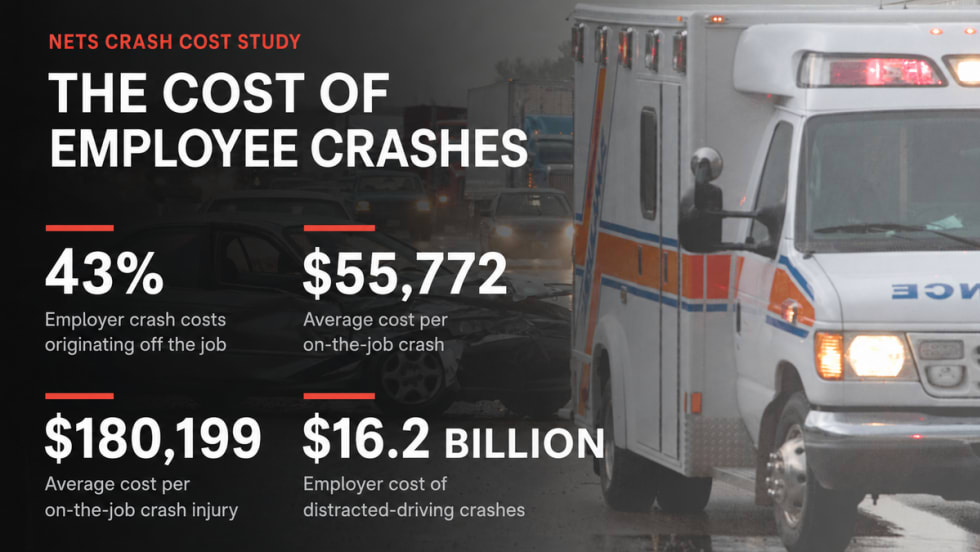
Off-the-Job Crashes Account for 43% of Employers’ $61.7 Billion Crash Burden
NETS quantifies costs dispersed across fleet, risk, HR, and other departments while providing new per-crash benchmarks for employers.
Read More →
Ram Recalls More Than 1.27 Million 1500 Pickups for Seat Belt Anchor Issue
The recall affects certain 2019-2026 Ram 1500 pickups that may have improperly attached second-row seat belt buckle anchors.
Read More →
How Better Visibility Cut Speeding Violations by 48%
Fleet leaders don't need more data, they need clearer visibility into what the data is saying. This case study explores how one utility replaced speeding-event counts with a single metric — miles driven in violation — to strengthen safety and significantly reduce speeding violations.
Read More →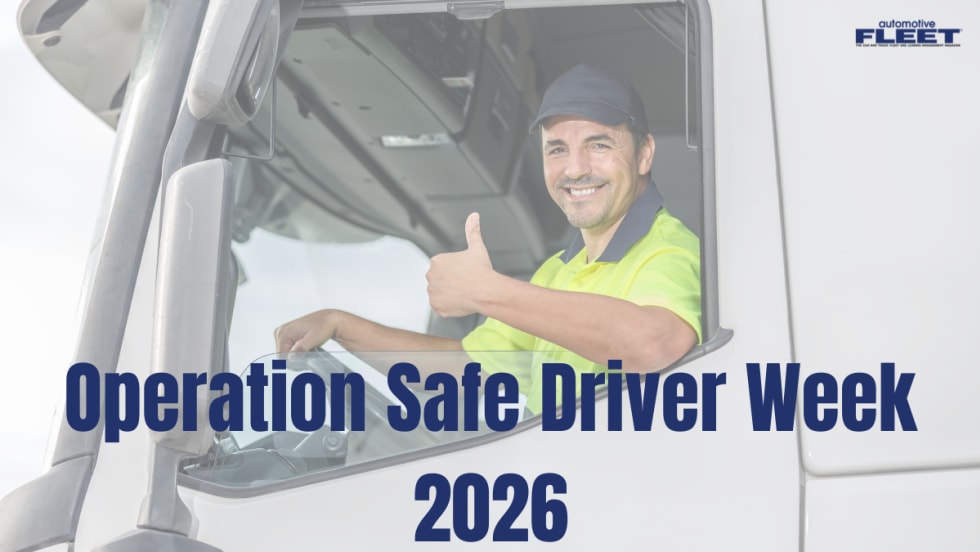
Operation Safe Driver Week: Why the Industry's Oldest Safety Campaign Still Matters to Fleets
A look at how a 2007 enforcement initiative became one of the most consequential weeks on the fleet safety calendar, and what it means for your drivers in 2026.
Read More →