





Catalytic Converter Theft Crisis: 6 Preventive Measures You Can Take
Older Toyota Prius Models Targeted by Component Thieves
Theft claim frequency for 2004-09 Toyota Prius models was a staggering 40 times higher in 2020 than in 2016.
November 30, 2021
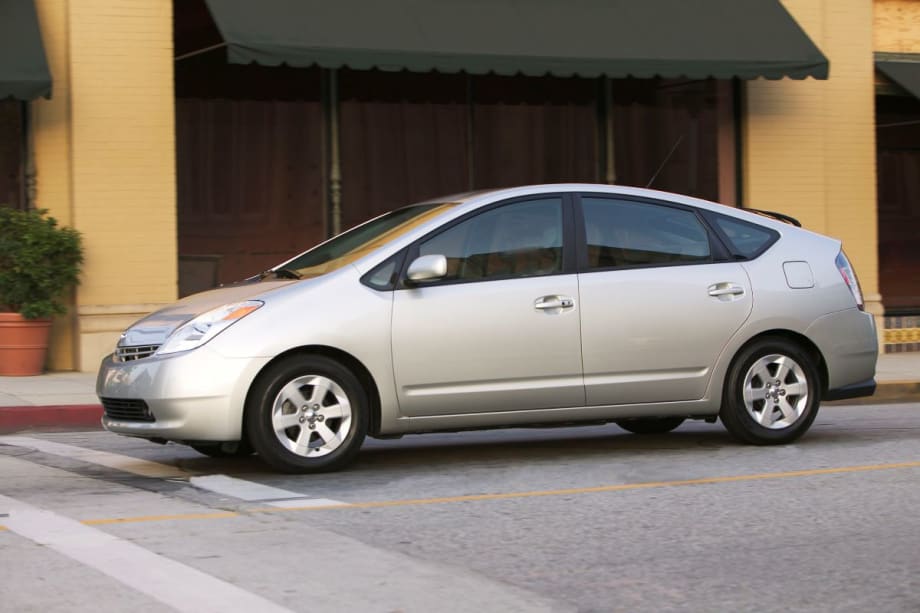
Older Prius vehicles such as this 2004 model are a hot target for thieves due to their catalytic converters, which contain more precious metals than the average vehicle.
Photo: Toyota
3 min to read
Due to the precious metals contained in its catalytic converter, theft claim frequency for 2004-09 Toyota Prius models was a staggering 40 times higher in 2020 than in 2016, according to a recent analysis by the Highway Loss Data Institute (HLDI).
Catalytic converter thefts have been on the rise nationwide, increasing from approximately 100 a month in 2018 to more than 1,200 a month in 2020. That’s because thieves can now command higher prices from recyclers for platinum, rhodium, palladium, and other metals found in the components.
Prices for the metals have soared due to lower mining production in recent years, a trend that was exacerbated by the pandemic.
Currently, Prius is being targeted because catalytic converters of hybrids need more of the precious metals to work properly because they don’t get as hot as those installed on conventional vehicles, since the combustion engines of hybrids only run part of the time. In other words, Prius models offer thieves a bigger bounty of precious metals.
The HLDI report provides some specific data that Prius fleet owners should know about.
For starters, the spike in claim frequency is noteworthy. Theft claim frequency was 58.1 claims per 1,000 insured vehicle years for 2004–09 Toyota Prius models in 2020, compared with 1.4 claims in 2016. Overall theft losses for those Prius vehicles in 2020 were nearly $137 per insured vehicle year — a more than 45-fold increase from $3 in 2016. By contrast, theft claim frequency for all other 2004-09 vehicles hardly changed from 2016 to 2020, and overall losses remained about $7.
The report also explores pricing. Catalytic converters from older Prius models are pulling in a pretty penny — and thieves seem to know it and are capitalizing on the trend.
For instance, the recent scrap price for the GD3+EA6 catalytic converter used in the 2004-09 second-generation Prius 1.5 was a whopping $1,022, according to marketplace website AutoCatalystMarket.com, while the scrap price for the GP1+TB1 converter used in the 2010-15 third-generation Prius was $548.
Now compare those numbers to the converter used in General Motors models such as the Chevrolet Impala and Pontiac Grand Am from 1999-2006. They were valued at $269, and the converter used in the 2007 Ford F-150 FX4 was priced at just $143.
The bottom line: When it comes to selling catalytic converters to recyclers who reprocess them, Prius models that are more than 10-years old fetch top dollar compared to newer Prius models and virtually any other vehicles on the market.
Catalytic converter crime is not going away anytime soon. In 2018, there were 1,298 catalytic converter thefts reported that rose to 3,389 reported thefts in 2019. In 2020, reported catalytic converter thefts jumped massively to 14,433, according to the National Insurance Crime Bureau.
More Safety

What’s Next for Fleet? Safety, AI & Industry Recognition | AF News Recap
Could your company's culture be encouraging distracted driving? This week, we're exploring how workplace expectations affect driver safety, what AI, EVs, and autonomous vehicles could mean for the future of fleet management, and how fleet professionals can strengthen their award nominations.
Read More →
Does Your Fleet's Culture Encourage Distracted Driving?
What happens when the people responsible for enforcing safety rules are the ones setting the wrong example? The answer may reveal why some of the biggest risks to fleet drivers have little to do with what's written in the employee handbook.
Read More →
Sponsored•October 1, 2026
Fleet Manager’s Ultimate Playbook: Navigating the New Standard in OEM Connectivity
Rising operating costs, driver safety concerns, and unplanned downtime are putting unprecedented pressure on modern fleets. Discover how fleet managers use embedded OEM connectivity and real-time vehicle data to cut TCO, prevent downtime, and protect drivers without aftermarket telematics hardware.
Read More →
From Driver Well-Being to EV Charging | AF News Recap
Mental health belongs in the fleet safety conversation. This week, we’re looking at five ways fleets can support employee well-being before a crisis, plus Holman’s expansion in Mexico, new one-day Fleet Forward passes, and why EV charging demand is outpacing infrastructure growth.
Read More →
Nexar-Nauto Merger Aims to Give Fleets Better Safety Intelligence Through Larger Driving Dataset
Stefan Heck tells Automotive Fleet that combining more than 10 billion miles of driving history with Nexar's AI models will give fleets deeper insights into driver risk and roadway conditions than either company could provide independently.
Read More →
Don't Wait for a Crisis: 5 Ways to Build Mental Health Into Your Fleet Safety Program
For Suicide Prevention Month, fleet and safety leaders have an opportunity to put mental health where it belongs: at the center of workplace safety.
Read More →
How Camera Data Can Strengthen a Fleet’s Insurance Renewal
Insights from a commercial insurance carrier and a broker show how fleets can turn video telematic data, driver coaching, and improved claims results into a stronger case at insurance renewal.
Read More →
The Safest Fleets Aren’t the Ones with the Most Technology
You’ve made the telematics investment. Here’s how to capture the other half of its value and build the safest fleet on the road.
Read More →
Sponsored•August 7, 2026
Hidden in Plain Sight: Fleet Compliance Risks
Fleet compliance isn't just about having policies — it's about consistently enforcing them. This practical guide reveals six hidden compliance risks common in public sector and shared fleet operations and outlines proven strategies to improve visibility, accountability, and audit readiness
Read More →
NETS Sets 2026 Fleet Safety Benchmark Conference for Indianapolis
The Sept. 15–17 program will feature fleet benchmarking data, case studies, emerging technologies, and implementation strategies while running alongside the NSC Safety Congress & Expo.
Read More →