




Nuro Introduces Third-Generation Autonomous Delivery Vehicle
Nuro's new autonomous delivery vehicle improves on past designs, including a custom external pedestrian airbag across the front of the bot.

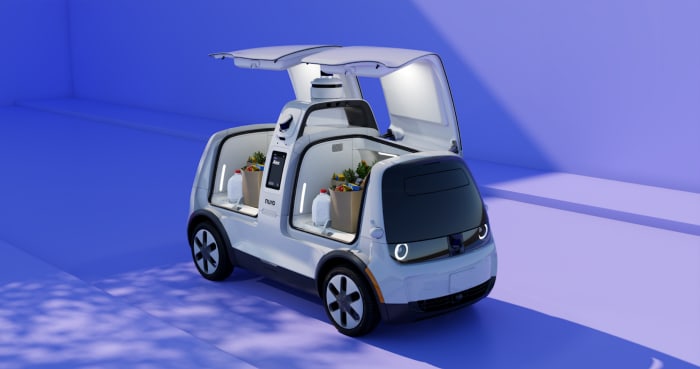
Pre-production for Nuro's third-generation delivery vehicle is underway now, and the company is partnering with BYD North America to assemble globally sourced hardware components for the vehicle platforms.
Photo: Nuro
Nuro unveiled its third-generation autonomous delivery vehicle, featuring several upgrades to its design. The vehicle is produced in partnership with BYD Co., Ltd.
The new vehicle is approximately 20% smaller in width than average passenger cars.
It also features a custom external pedestrian airbag across the front of the bot. This is optimized to reduce the force of impact and number of injuries in the event of collision.
Nuro factored in weather conditions when designing its new delivery vehicle. it is designed to safely operate in the same environment as all motor vehicles. That allows Nuro to serve a wide variety of geographies that experience various weather conditions throughout the year.
For the interior, the vehicle is designed the compartments to keep individual orders separate and secure. The 27 ft3 compartments combined can fit about 24 bags of groceries and handle almost 500 lbs. Modular inserts that fit inside the compartments allow for heating and cooling, with a range of temps from 22ºF or hot to 116ºF.
There is also a touchscreen that allows Nuro to design new curbside commerce experiences such as mobile marketplaces.
The new model will be able to reach a top operating speed of 45 mph.
Among the number of features are sensors that work together to give an in-depth, 360º view of the world in which it operates. It also has the ability to clean its own sensors.
Aside from the interior and exterior features, the new vehicle from Nuro has defensive and detection mechanisms into the system for early warning about potential attacks and ensure its safety margin is maintained in every conceivable scenario. Early detection throughout its system is continuously evaluated by an internal offensive security test and evaluation team that conducts penetration testing emulating highly funded and exceptionally skilled attacks.
Pre-production for Nuro's third-generation delivery vehicle is underway now.
More Fleet Forward

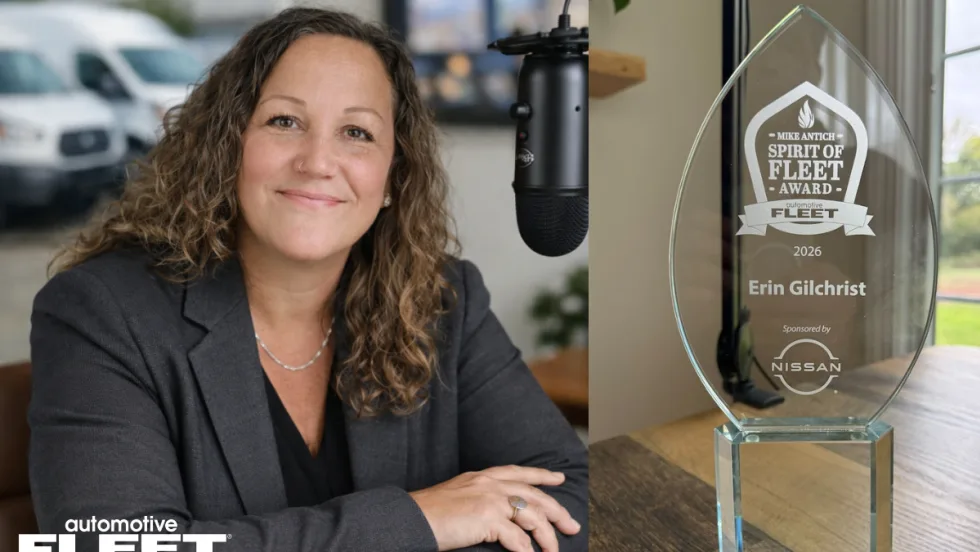
Erin Gilchrist Receives Mike Antich Spirit of Fleet Award
Last week at AFLA in Vegas, Erin Gilchrist received the inaugural, brand-new Spirit of Fleet Award.
Read More →
Dominika Leja Named the 2026 Fleet Manager of the Year
The AstraZeneca associate director of fleet was recognized for her leadership in fleet electrification, cost savings, and operational transformation.
Read More →
Jamie McKay Named the 2026 Fleet Visionary Award Winner
The Aptive Pest Control fleet manager was recognized for her approach to operations, data, lifecycle management, and driver needs.
Read More →
Fleet Forward Conference Introduces One-Day Passes for 2026
New one-day registration gives fleet professionals the flexibility to attend Tuesday, Wednesday, or Thursday, with passes available for $199 through Sept. 18.
Read More →
Vibe Coding: When Fleet Managers Become Software Builders
Five fleet professionals — none with programming skills — discuss how they’re using AI to build fleet solutions in-house and in a fraction of the time.
Read More →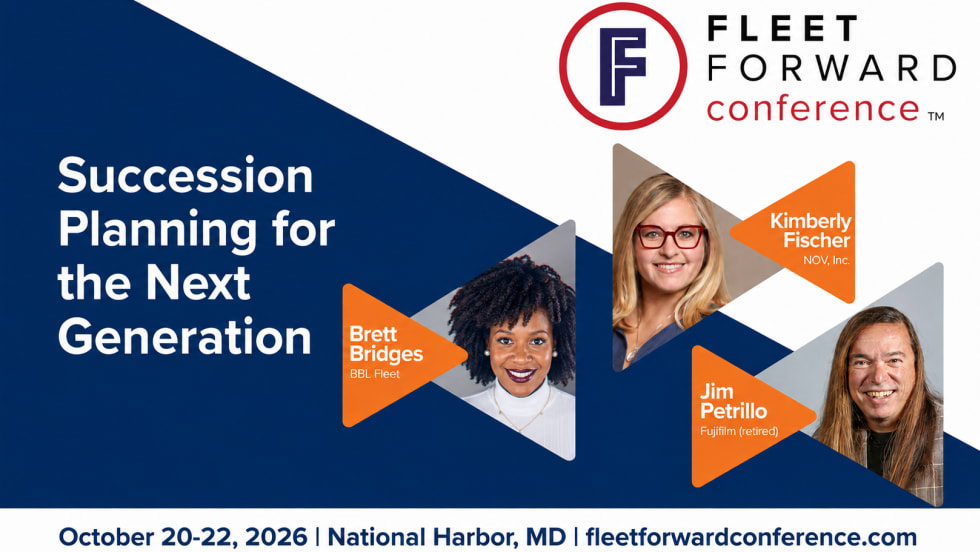
Fleet Forward Conference Tackles Fleet Industry’s Growing Leadership Gap
This session will examine succession planning, knowledge transfer, and the skills the next generation of fleet leaders will need as veteran professionals leave the industry.
Read More →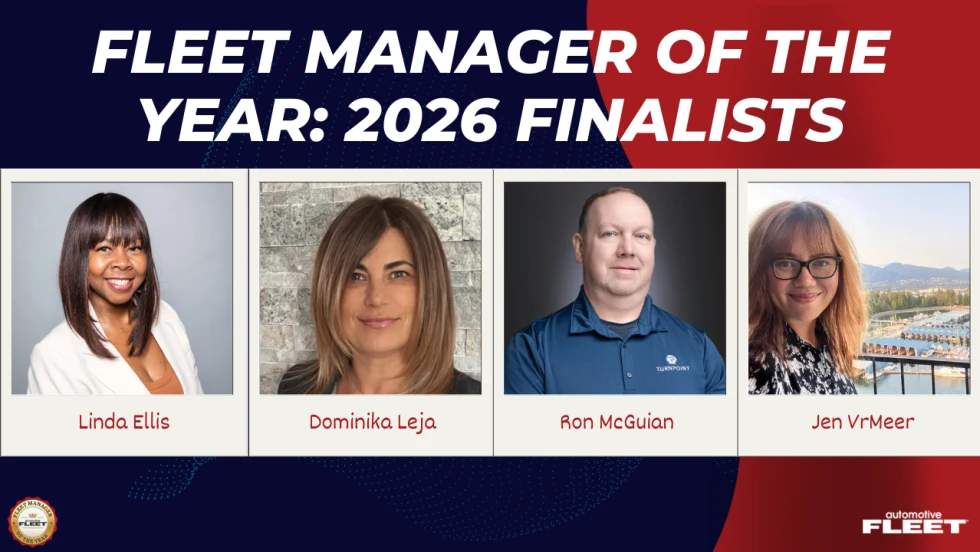
2026 Fleet Manager of the Year Finalists Announced
Who are the 2026 Fleet Manager of the Year finalists?
Read More →
John Rossant to Deliver Opening Keynote at 2026 Fleet Forward Conference
The CoMotion founder will draw on developments across Europe, China, the Middle East, and other international markets to identify trends that could influence how U.S. fleets plan for the coming decade.
Read More →
How to Build Custom Fleet Tools With AI and Vibe Coding [Webinar]
A new Automotive Fleet webinar explores how fleet managers are using AI and vibe coding to automate routine work and create simple operational tools without traditional programming skills.
Read More →