




NTSB Recommends Nationwide Ban on Driver Use of Portable Electronic Devices
WASHINGTON – The National Transportation Safety Board (NTSB) issued a recommendation to the 50 states, and D.C., to ban driver use of all portable electronic devices in a vehicle, including hands-free devices.
WASHINGTON – The National Transportation Safety Board (NTSB) issued a recommendation to the 50 states, and D.C., to ban driver use of all portable electronic devices in a vehicle, including hands-free devices. The NTSB’s Chairman Deborah A.P. Hersman addressed the press regarding the issue and some of the specifics about the recommendation.
"According to NHTSA, more than 3,000 people lost their lives last year in distraction-related accidents," said Hersman. "It is time for all of us to stand up for safety by turning off electronic devices when driving. No call, no text, no update, is worth a human life."
Hersman said the exceptions to this rule would be devices that assist the driver in getting to a destination and for use in emergency situations.
She said that this recommendation would also apply to communications technologies such as Bluetooth, but that the NTSB is not proving a list of “acceptable” devices for use in vehicles by drivers. The organization is leaving development of actual laws, and enforcement, up to the individual states.
“Our recommendation is to the states that pass and enforce the laws,” Hersman said. “We’re not looking at passengers being able to text and talk; we’re looking at the safe operation of the vehicle by the driver. And yes, that applies to Bluetooth and hands-free technology.”
In terms of enforcing such a ban, Hersman said she is confident law enforcement will be able to develop methods for doing so.
“Law enforcement is talented. They can recognize impaired drivers. They also can recognize when drivers are distracted,” Hersman said. “Our law enforcement agencies deal with aggressive driving. I know they will be able to come up with ways to enforce these rules.”
She said the NTSB is also calling for more aggressive efforts by law enforcement to enforce such a ban.
In addition, Hersman called on companies to help enforce distracted driving rules as well and said that NTSB research had found that bans on driver use of electronic devices while the vehicle is moving had improved their safety records.
Hersman said the NTSB has issued recommendations to cell phone manufacturers to develop additional ways to prevent portable device use by drivers. She also said she believes technology can help provide a solution to this problem.
Regarding communication technologies built into vehicles by the automakers, Hersman said that although the organization’s recommendation is only directed at states currently, the NTSB plans to look into the issue of rules regarding those technologies at an event next year.
This announcement follows an NTSB call for a ban on use of mobile phones by commercial drivers.
By Greg Basich
More Safety

What’s Next for Fleet? Safety, AI & Industry Recognition | AF News Recap
Could your company's culture be encouraging distracted driving? This week, we're exploring how workplace expectations affect driver safety, what AI, EVs, and autonomous vehicles could mean for the future of fleet management, and how fleet professionals can strengthen their award nominations.
Read More →
Does Your Fleet's Culture Encourage Distracted Driving?
What happens when the people responsible for enforcing safety rules are the ones setting the wrong example? The answer may reveal why some of the biggest risks to fleet drivers have little to do with what's written in the employee handbook.
Read More →
Fleet Manager’s Ultimate Playbook: Navigating the New Standard in OEM Connectivity
Rising operating costs, driver safety concerns, and unplanned downtime are putting unprecedented pressure on modern fleets. Discover how fleet managers use embedded OEM connectivity and real-time vehicle data to cut TCO, prevent downtime, and protect drivers without aftermarket telematics hardware.
Read More →
From Driver Well-Being to EV Charging | AF News Recap
Mental health belongs in the fleet safety conversation. This week, we’re looking at five ways fleets can support employee well-being before a crisis, plus Holman’s expansion in Mexico, new one-day Fleet Forward passes, and why EV charging demand is outpacing infrastructure growth.
Read More →
Nexar-Nauto Merger Aims to Give Fleets Better Safety Intelligence Through Larger Driving Dataset
Stefan Heck tells Automotive Fleet that combining more than 10 billion miles of driving history with Nexar's AI models will give fleets deeper insights into driver risk and roadway conditions than either company could provide independently.
Read More →
Don't Wait for a Crisis: 5 Ways to Build Mental Health Into Your Fleet Safety Program
For Suicide Prevention Month, fleet and safety leaders have an opportunity to put mental health where it belongs: at the center of workplace safety.
Read More →
How Camera Data Can Strengthen a Fleet’s Insurance Renewal
Insights from a commercial insurance carrier and a broker show how fleets can turn video telematic data, driver coaching, and improved claims results into a stronger case at insurance renewal.
Read More →
The Safest Fleets Aren’t the Ones with the Most Technology
You’ve made the telematics investment. Here’s how to capture the other half of its value and build the safest fleet on the road.
Read More →
Hidden in Plain Sight: Fleet Compliance Risks
Fleet compliance isn't just about having policies — it's about consistently enforcing them. This practical guide reveals six hidden compliance risks common in public sector and shared fleet operations and outlines proven strategies to improve visibility, accountability, and audit readiness
Read More →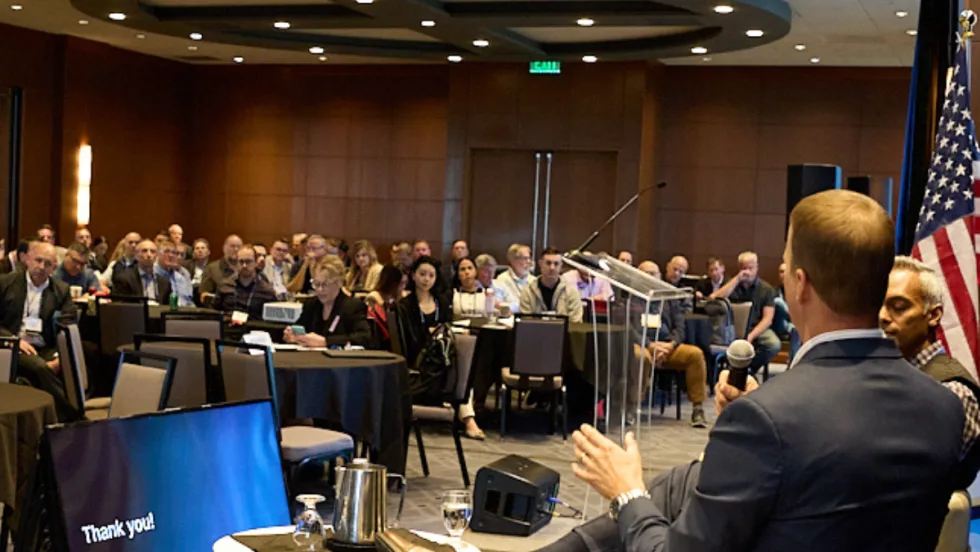
NETS Sets 2026 Fleet Safety Benchmark Conference for Indianapolis
The Sept. 15–17 program will feature fleet benchmarking data, case studies, emerging technologies, and implementation strategies while running alongside the NSC Safety Congress & Expo.
Read More →