




NREL Study Finds Hybrid Delivery Vans Get at Least 13 Percent Improved Fuel Economy
GOLDEN, CO – The U.S. Department of Energy’s National Renewable Energy Laboratory (NREL) issued a report that shows the fuel economy benefits of hybrid electric delivery vans when compared with similar conventionally powered vans.
GOLDEN, CO – The U.S. Department of Energy’s National Renewable Energy Laboratory (NREL) issued a report that shows the fuel economy benefits of hybrid electric delivery vans when compared with similar conventionally powered vans. The report is titled Eighteen-Month Final Evaluation of UPS Second Generation Diesel Hybrid Electric Delivery Vans.
NREL evaluated fuel economy, maintenance, and other data from 11 hybrid and 11 conventional step vans operated by UPS in Minneapolis. NREL Project Engineer Michael Lammert said that during the on-road part of the organization’s study, it found the hybrid vans achieved 13 to 20% better fuel economy. During dynamometer testing, NREL put the vans through three standard drive cycled to simulate a range of delivery routes. The hybrid vans showed a 13 to 36% improvement in fuel economy, and up to a 45% improvement in ton-miles-per-gallon.
According to NREL, the hybrid vans utilize 44 kW electric motors, lithium-ion batteries, and regenerative braking. The The vans operated by UPS were the same age as the hybrid vans and ran under similar conditions. The two groups of vans switched route assignments during the study so NREL could get see how the vans operated on the same routes.
NREL stated it has been working with UPS for five years to track and evaluate the company’s hybrid vehicle performance. NREL performed its first study on first-generation hybrid vans operated by UPS in Phoenix in 2008. In 2010, UPS deployed 200 second-generation hybrid vans in eight U.S. cities, including the 11 evaluated in the recent study in Minneapolis. The second-generation vehicles feature “engine off at idle” technology that automatically stops and restarts the engine during brief stops.
You can read the NREL report here.
More Green Fleet

EV Charging Use Is Outpacing Infrastructure Growth
ChargePoint’s 2026 Charging Forward Report points to rising charger use, higher-powered charging, commercial vehicle electrification, and energy-management technology. Here’s what fleets should know.
Read More →
Merchants Fleet Reports 290M EV Miles as Fleets Navigate Changing Electrification Market
From millions in operating savings to hundreds of millions of EV miles, Merchants Fleet’s latest report reveals what’s working and what’s changing in fleet electrification.
Read More →
The EV Breakdown Nobody's Talking About: Why Most Electric Vehicle Roadside Calls Aren't Mechanical Failures
Here's why EV breakdowns are widely misunderstood.
Read More →
ChargePoint Now Available in Energy Pass
ChargePoint and additional planned charging network integrations were added to GM's Energy Pass.
Read More →

First Look: Slate Auto's Electric Fleet Pickup
Could an affordable, modular EV pickup make electrification more practical for fleets?
Read More →
Slate Debuts Colorful, Unique EV Models
A recent media and client event, studded with electric vehicles dressed up on platforms, planted a new position for the manufacturer in the wider EV market. Fleets will find cost-saving advantages.
Read More →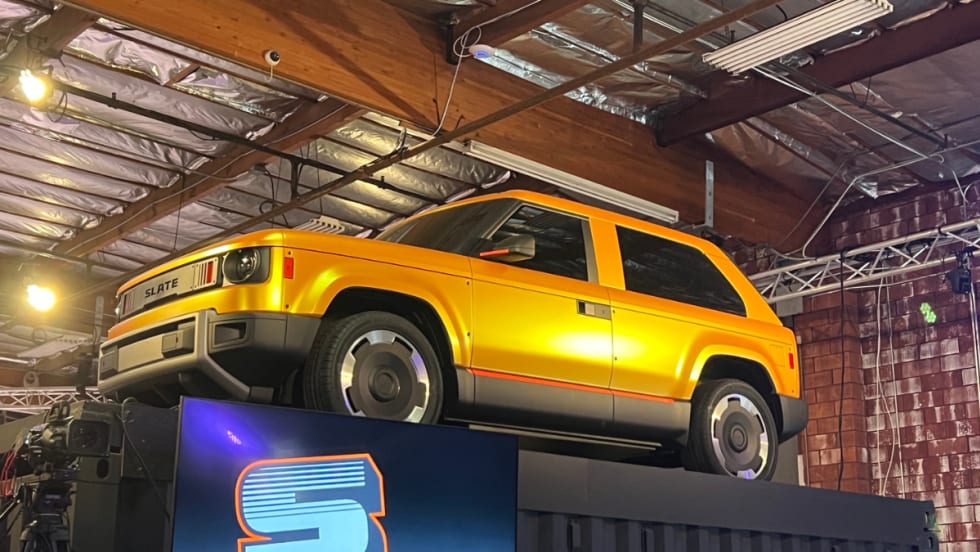
Slate Electric SUV, Pickup Switchable Model Aims For Light-Duty Fleets
Everything about this EV is counterintuitive and understated, making it stand out from the crowd.
Read More →
Inspiration Mobility Acquires Key Electrada Assets
Inspiration Mobility Group has acquired select assets of Electrada, adding the fleet electrification provider's team, technology, and charging infrastructure development capabilities to its energy management business.
Read More →
Turning Connected Vehicle Data Into Decisions That Matter
Fleet leaders have more data than ever, but turning that data into clear, actionable decisions remains a challenge. This white paper shows how leading organizations are using connected vehicle data to improve safety, reduce costs, and optimize fleet performance. Learn how to turn insight into action across your fleet.
Read More →