Automotive Fleet
MenuMENU
SearchSEARCH

NHTSA Unveils New '10-Year-Old Child' Crash Test Dummy

WASHINGTON – The National Highway Traffic Safety Administration has unveiled a new crash test dummy that will be used to evaluate the growing number of child safety seats and boosters made for children weighing more than 65 pounds.

by Staff
February 27, 2012
2 min to read


WASHINGTON – The National Highway Traffic Safety Administration has unveiled a new crash test dummy that will be used to evaluate the growing number of child safety seats and boosters made for children weighing more than 65 pounds. 

The NHTSA’s "10-year-old child" dummy is the latest addition to the agency's family of test dummies and is considered the best tool available for measuring the risk of injury to a child using a higher-weight child restraint system in the event of a vehicle crash.

Ad Loading...

"It's good news that manufacturers are making more car seats and boosters than ever before designed to keep older and heavier children safer on our roadways," said U.S. Transportation Secretary Ray LaHood. "As the marketplace evolves to accommodate changing consumer needs, it's important that safety regulators also have the best tools possible for evaluating how well these products work.” 

The 10-year-old child test dummy was developed in concert with new safety seat requirements updated to keep pace with the latest scientific research and child restraint system technologies. The new test dummy will provide never-before-available information capturing the risk of injuries using head and knee excursions, as well as chest acceleration, the NHTSA said. 

The final rule newly issued by the NHTSA amends the current federal child safety seat standard to include car seats and boosters specified for children weighing more than 65 pounds and up to 80 pounds. The expanded standard will evaluate how well the higher-weight restraint systems manage crash energy and whether the seat's structure stays intact. This is made possible by the use of the new dummy for the first time ever in compliance tests. 

Manufacturers will have two years to certify their higher-weight car seats and boosters to meet the new requirements.

"Our new dummy is an excellent addition to NHTSA's extensive child seat compliance testing program and will enable the agency to gather the best data yet on the performance of higher-weight child seats," said David Strickland, NHTSA administrator. "Even as we begin to reap the benefits of this new tool, NHTSA is already looking down the road and has research under way to further improve the dummy."

Ad Loading...

This month’s announcement follows more stringent child safety seat recommendations issued by NHTSA last year encouraging parents and caregivers to keep children in a car seat with a harness for as long as possible, up to the height and weight specifications of the seat. The agency's updated child seat guidance also recommends that children ride in a booster seat until they are big enough to fit in a seat belt properly, which is typically when the child is somewhere between eight to 12 years old and about 4 feet 9 inches tall.


More Safety

Chris Brown sits across from safety experft at Lifesaver mobile in an interview about distracted driving and phone use tech.
Safetyby Chris BrownMay 1, 2026

Reducing Risk by Eliminating Phone Use Behind the Wheel

Distracted driving remains one of the most persistent risks in fleet operations. New approaches focus on removing mobile device use entirely while adding real-time safety support.

Read More →
Safetyby Jeanny RoaApril 15, 2026

Distracted Driving in the Age of Smart Tech – Part 2

As distraction risks evolve, fleets are turning to smarter, more connected technologies to better understand what’s happening behind the wheel. Part 2 explores how these tools are helping identify risky behaviors and improve visibility across operations.

Read More →
Safetyby Jeanny RoaApril 11, 2026

 Data Rights, Risks, and Responsibilities After a Crash

What fleets capture to improve safety can also expose them in litigation, forcing leaders to rethink how data is managed, stored, and shared.

Read More →
Ad Loading...
Driver holding a phone while steering, illustrating distracted driving and the importance of mental awareness and attention on the road for fleet safety.
Safetyby Judie NuskeyApril 10, 2026

From Distraction to Detection: Strengthening Awareness in Fleet Drivers

Distracted driving is often measured by what we can see—phones in hand, eyes off the road. But what about the distractions we can’t? A recent incident raises a bigger question about awareness, attention, and why subtle risks so often go unnoticed.

Read More →
Safetyby StaffApril 8, 2026

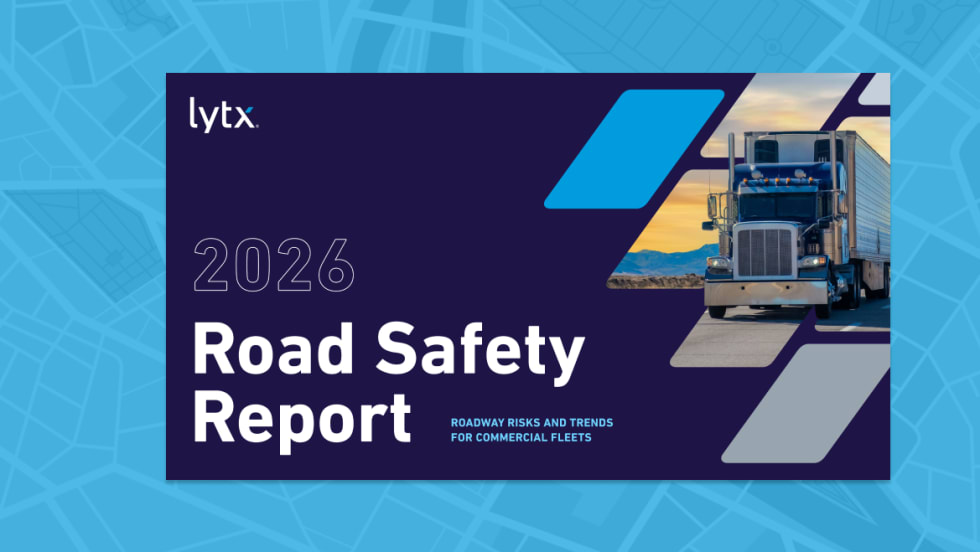
Lytx 2026 Road Safety Report

While serious crashes are declining, a rise in minor incidents and ongoing risk hotspots underscore the need for continued fleet safety investment.

Read More →
Driver’s hands on steering wheel in a sunlit vehicle, representing real-world driver behavior and the shift from data monitoring to hands-on training in fleet safety programs.
Safetyby Judie NuskeyApril 7, 2026

Behind-the-Wheel vs. Classroom Training: What Actually Changes Driver Behavior?

Fleets have more driver data than ever, so why isn't behavior changing? Training requires more than reports and coaching — it requires real-world practice.

Read More →
Ad Loading...
A person in a car on their phone behind the steering wheel.
Safetyby Jeanny RoaApril 1, 2026

Distracted Driving in the Age of Smart Tech – Part 1

A two-part conversation with Stefan Heck on how AI is transforming the fight against distracted driving. As fleets adopt smarter tools, the focus shifts from reacting to preventing risk. In Part 1, we look at where AI is making an impact for fleets today.

Read More →
Pedestrians crossing a busy street, highlighting the importance of driver awareness and caution to prevent pedestrian accidents.
Safetyby StaffMarch 30, 2026

Pedestrian Safety Starts With the Driver

More people on foot means more risk for drivers. These pedestrian safety tips can help prevent serious injuries and keep everyone safer on the road.

Read More →
SponsoredMarch 30, 2026

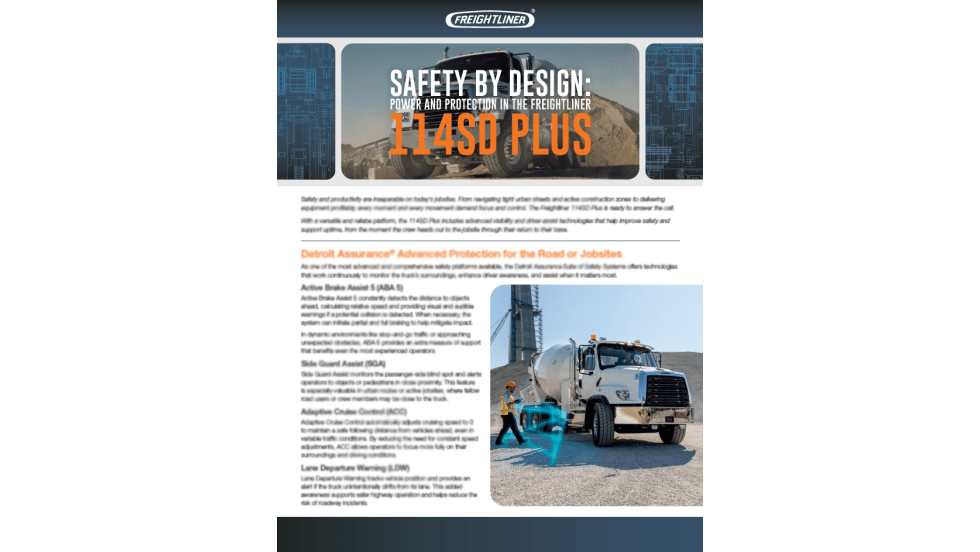
Safety by Design: Power and Protection in the Freightliner 114SD Plus

Fleet managers are under pressure to reduce accidents, control costs, and improve operational efficiency. See how advanced vehicle safety technologies are helping fleets operate smarter and safer.

Read More →
Ad Loading...
Safetyby StaffMarch 26, 2026

Pedestrian Deaths Drop in First Half of 2025, Marking Largest Decline in Years

An 11% drop in pedestrian fatalities in early 2025 signals progress in U.S. road safety, but elevated death rates and ongoing risks underscore the need for continued action from fleets and policymakers.

Read More →