




NHTSA Sets Final Rule for Fuel Efficiency Testing
WASHINGTON - The National Highway Traffic Safety Administration (NHTSA) has released its final rule that establishes test procedures for consumer tire rolling resistance, safety, and durability.
WASHINGTON- The National Highway Traffic Safety Administration (NHTSA) has released its final rule that establishes test procedures for consumer tire rolling resistance, safety, and durability, reported Modern Tire Dealer.
There are many details that still need to be worked out, however.
"When this program is fully established, this information will be provided to consumers at the point of sale and online," say agency officials.
The rule, as well as its associated tire consumer education program, will require tiremakers to rank their products for fuel efficiency, safety and durability "based on test procedures specified," say NHTSA officials.
"Comparing these three different ratings for different replacement tires will enable consumers to see how different replacement tires can affect the fuel economy they are getting from their vehicles. This will enable consumers to see the tradeoffs they may be facing between fuel efficiency, safety (i.e. wet traction) and durability (i.e. treadwear life), and how the balance of these factors may differ from tire to tire. Providing information regarding all three types of performance will help to ensure that no single aspect is given disproportionate attention."
[PAGEBREAK]
In developing the rule, the agency conducted tire testing research "to determine which test procedure would best standardize a fuel efficiency rating and provide accurate discrimination among replacement tires.
"The agency is specifying a test procedure by which NHTSA will evaluate the accuracy of the rolling resistance rating assigned by the tire manufacturer. For the safety and durability ratings, this final rule specifies that the agency will use previously established test procedures for wet traction and treadwear to evaluate the accuracy of the safety and durability ratings assigned by the tire manufacturer."
NHTSA says it is not specifying the content or requirements of the consumer education portion of the program at this time.
"We are continuing to work to improve the content and format of the consumer information so that consumers will, in fact, be adequately informed. NHTSA will be conducting additional consumer testing to explore how consumers will best comprehend information in each of the three categories discussed above."
After additional testing, NHTSA plans to publish a new proposal for the consumer education element of the program.
More Safety
How 5-Second Telematics Data Is Changing Fleet Safety
This episode connects with Steve Santostasi of Ford Pro and covers how a few seconds of data can make a difference in fleet safety.
Read More →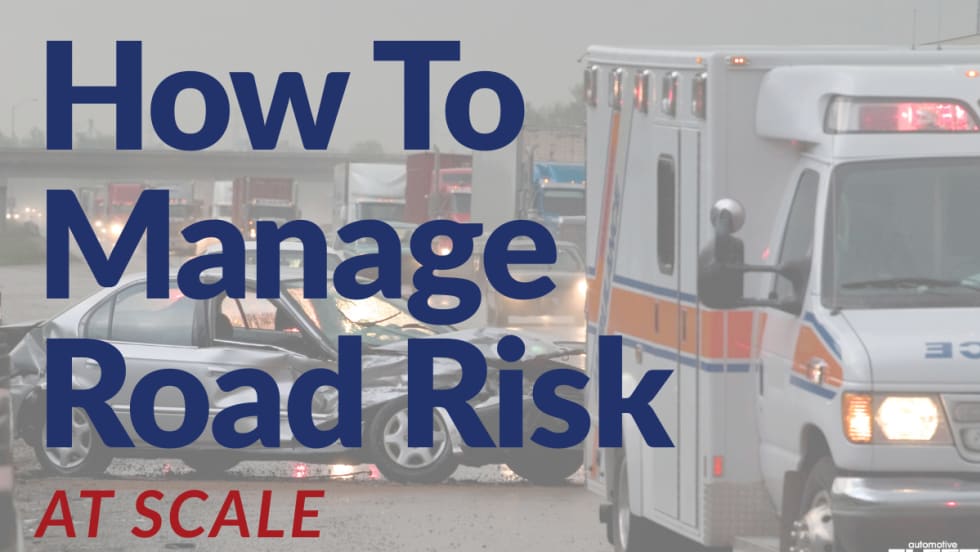
Managing Road Risk at Scale: Why Fleet Safety Needs a Data-Driven Framework
Insights from the FIA Road and Driver Safety Indexes reveal how to manage road risk on a larger scale.
Read More →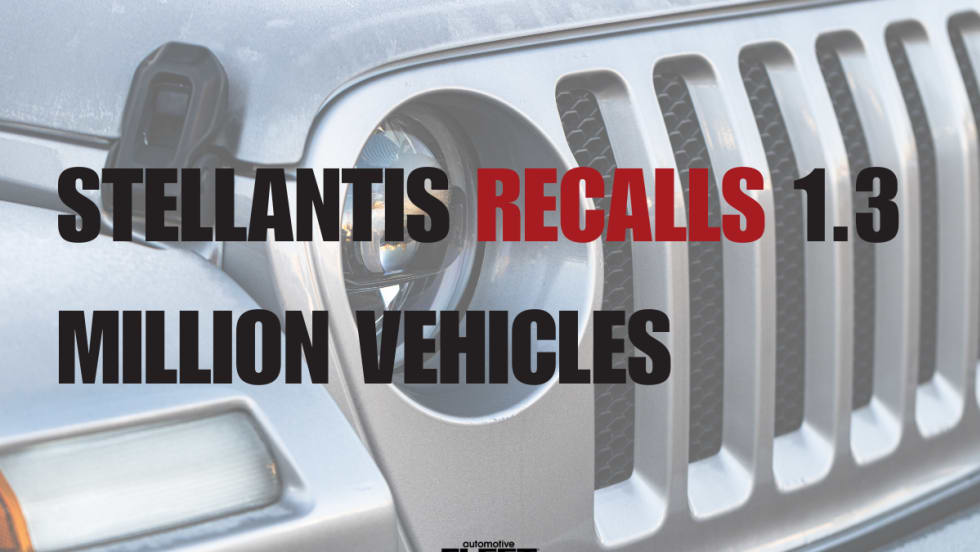
Stellantis Recalls 1.3 Million Jeep Vehicles Worldwide Over Fire Risk
Stellantis is recalling more than 1.3 million Jeep Wrangler and Gladiator models worldwide over a fire risk linked to power steering pump wiring.
Read More →

Coaching Is Not Training, Even When AI Is Doing It
AI-powered safety platforms can detect risky behaviors and deliver immediate feedback. But effective driver development still requires a foundation of training followed by coaching that reinforces those skills.
Read More →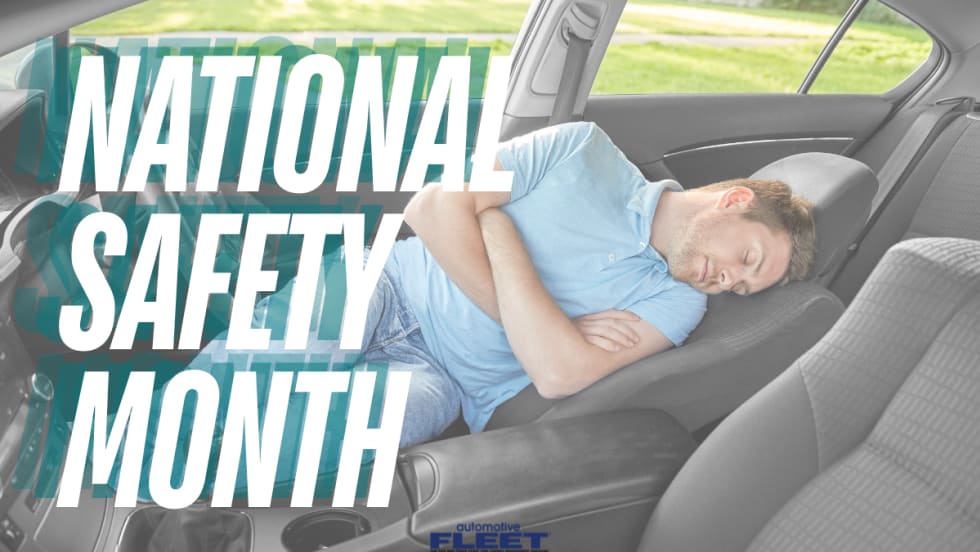
How Emotions Behind the Wheel Can Affect Fleet Safety
During National Safety Month, fleets are encouraged to look beyond distracted driving and recognize how stress, fatigue, and emotional well-being influence driver performance and crash risk.
Read More →
Nominations Open for 2026 Fleet Safety Award
Nominations have officially opened for the 2026 Fleet Safety Award Winner.
Read More →
Turning Connected Vehicle Data Into Decisions That Matter
Fleet leaders have more data than ever, but turning that data into clear, actionable decisions remains a challenge. This white paper shows how leading organizations are using connected vehicle data to improve safety, reduce costs, and optimize fleet performance. Learn how to turn insight into action across your fleet.
Read More →
Cameras, Safety and Insurance: From Reactive Claims to Real-time Prevention
Commercial auto remains one of the most challenging and costly lines of coverage for fleet operators and insurers alike. Learn more about how to effectively address these issues from Onur Aksan, Enterprise Business Development Executive, Geotab.
Read More →
NAFA Fleet Safety Symposium to Collocate With 2026 Fleet Forward Conference
The daylong certificate program will precede the Fleet Forward Conference at the Gaylord National Harbor in Maryland.
Read More →
The Distractions You Can’t Turn Off: What Drivers Face Outside the Vehicle
Fleet drivers face constant visual, cognitive, and environmental interruptions the moment they hit the road. From roadside chaos to mental fatigue and digital overload, today’s biggest driving risks often come from outside the vehicle itself.
Read More →