




NHTSA Rolls Out 5-Year Safety Plan for Older Drivers
The agency's plan focuses on advanced vehicle safety technologies, improved data collection, and public education about driver behavior and identifying functional changes in older drivers.
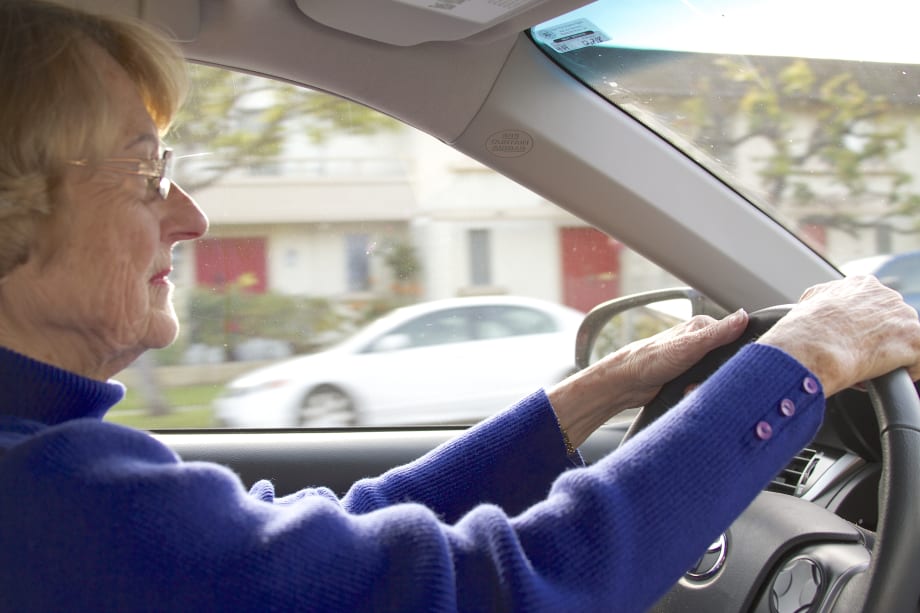
In 2011, about 35 million licensed drivers in the U.S. were age 65 and older.
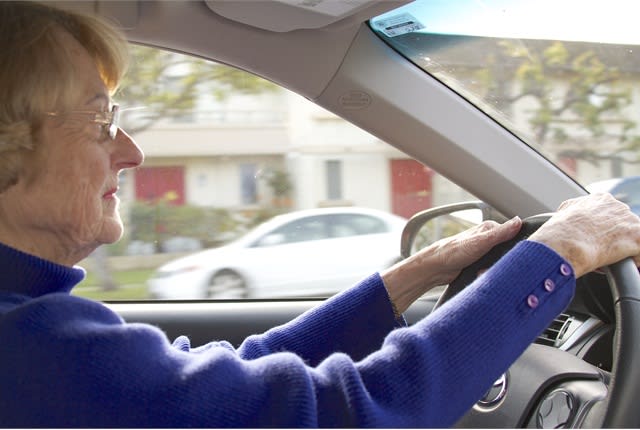
In 2011, about 35 million licensed drivers in the U.S. were age 65 and older.
In support of Older Driver Safety Awareness Week (Dec. 2-6), the National Highway Traffic Safety Administration (NHTSA) introduced a new strategic plan aimed at protecting the safety of older drivers and passengers.
NHTSA is part of the U.S. Department of Transportation.
"Safety is our highest priority and that includes ensuring the safety of our older drivers, who represent a growing population on our roads," said U.S. Transportation Secretary Anthony Foxx. "This plan will help enhance safety for everyone by helping states address the mobility needs of their older drivers."
Since 2003, the population of older adults, defined as age 65 and older, has increased by 20 percent. The number of licensed older drivers increased by 21 percent -- to 35 million in 2011 (2012 data not yet available).
According to NHTSA, the most common types of crashes for older drivers are:
1. Turning left at an intersection with a stop sign.
2. Turning left at an intersection on a green light without a dedicated green turn arrow.
3. Turning right at a yield sign to merge with traffic at speeds of 40 to 45 mph.
4. Merging onto a highway from a ramp that has a yield sign.
5. Changing lanes on a road that has four or more lanes.
In 2012, according to NHTSA's latest issue of Safety in Numbers, 5,560 people over the age of 65 died and 214,000 were injured in motor vehicle crashes. Those figures represent a 3-percent increase in the number of fatalities and a 16-percent increase in the number of injuries from the previous year. The data also show that older adults are at greater risk of dying or sustaining serious injuries, even in low-severity crashes.
To address these concerns, NHTSA is focusing on the following:
Vehicle Safety -- NHTSA is researching a number of advanced vehicle technologies -- including vehicle-to-vehicle communications, collision avoidance and crashworthiness -- that could help reduce the risk of death or injury to older occupants in the event of a crash. Crash avoidance technologies will benefit all drivers, but may be of special benefit to older drivers, while certain crashworthiness improvements could help address the special vulnerabilities of older occupants. The agency is also considering upgrades to its New Car Assessment Program, including a new "Silver" rating system for older occupants.
Improved Data Collection -- NHTSA is refining its data collection systems and will continue to evaluate crash rates, real-world injuries, as well as physical, cognitive and perceptual changes associated with driver behaviors. In addition, NHTSA plans to conduct clinical and naturalistic driving studies to better understand the effects of age-related medical conditions, including dementia.
Driver Behavior -- Recognizing that age alone is not a determining factor for safe driving, NHTSA continues to focus its efforts on public education and identifying functional changes including vision, strength, flexibility and cognition to help at-risk drivers. This effort includes the newly released Older Driver Highway Safety Program Guidelines, which states can implement to help keep older people safely mobile.
"Although older drivers are some of the safest drivers on our roads, our plan builds upon the NHTSA's current work to help older people drive as safely and as long as possible," said NHTSA Administrator David Strickland.
NHTSA's Older Driver Highway Safety Program Guidelines are based on best practices around the country and include countermeasures aimed at protecting the safety of older drivers, including at-risk drivers. The guidelines encourage state highway safety offices to work closely with driver license officials, state departments of transportation, medical providers and service providers, among others.
More Safety
Managing Road Risk at Scale: Why Fleet Safety Needs a Data-Driven Framework
Insights from the FIA Road and Driver Safety Indexes reveal how to manage road risk on a larger scale.
Read More →
Stellantis Recalls 1.3 Million Jeep Vehicles Worldwide Over Fire Risk
Stellantis is recalling more than 1.3 million Jeep Wrangler and Gladiator models worldwide over a fire risk linked to power steering pump wiring.
Read More →
Coaching Is Not Training, Even When AI Is Doing It
AI-powered safety platforms can detect risky behaviors and deliver immediate feedback. But effective driver development still requires a foundation of training followed by coaching that reinforces those skills.
Read More →
How Emotions Behind the Wheel Can Affect Fleet Safety
During National Safety Month, fleets are encouraged to look beyond distracted driving and recognize how stress, fatigue, and emotional well-being influence driver performance and crash risk.
Read More →
Nominations Open for 2026 Fleet Safety Award
Nominations have officially opened for the 2026 Fleet Safety Award Winner.
Read More →
Turning Connected Vehicle Data Into Decisions That Matter
Fleet leaders have more data than ever, but turning that data into clear, actionable decisions remains a challenge. This white paper shows how leading organizations are using connected vehicle data to improve safety, reduce costs, and optimize fleet performance. Learn how to turn insight into action across your fleet.
Read More →
Cameras, Safety and Insurance: From Reactive Claims to Real-time Prevention
Commercial auto remains one of the most challenging and costly lines of coverage for fleet operators and insurers alike. Learn more about how to effectively address these issues from Onur Aksan, Enterprise Business Development Executive, Geotab.
Read More →
NAFA Fleet Safety Symposium to Collocate With 2026 Fleet Forward Conference
The daylong certificate program will precede the Fleet Forward Conference at the Gaylord National Harbor in Maryland.
Read More →
The Distractions You Can’t Turn Off: What Drivers Face Outside the Vehicle
Fleet drivers face constant visual, cognitive, and environmental interruptions the moment they hit the road. From roadside chaos to mental fatigue and digital overload, today’s biggest driving risks often come from outside the vehicle itself.
Read More →
FLASH Weather AI Launches First Deep-Learning Hail Prediction Model With High-Resolution Forecasting
FLASH Weather AI has launched a first-of-its-kind hail prediction model capable of forecasting hail size and arrival time at 1-kilometer resolution up to 55 minutes ahead, giving fleets and insurers critical time to prepare for severe storms.
Read More →