




Nextel Poll Finds Transportation Companies Choosing BlackBerry Devices, Deploying WLANs and Preparing for RFID
RESTON, VA — A new opinion poll of information technology and telecom decision makers at U.S. transportation companies released on February 4 shows increased adoption of wireless technology in day-to-day business operations as a cost-effective way to improve operations and customer service.
RESTON, VA — A new opinion poll of information technology and telecom decision makers at U.S. transportation companies released on February 4 shows increased adoption of wireless technology in day-to-day business operations as a cost-effective way to improve operations and customer service. This movement is being fueled by the availability of push-to-talk service, wireless local area network (WLAN) and global positioning systems (GPS) solutions, as well as a desire by companies to extend their wireless barcode scanning capabilities. The survey, commissioned by Nextel and conducted by Harris Interactive, which polled 78 transportation executives across the United States, found the industry’s top four uses of wireless technology as cellular calls (98 percent) for use by executives and sales staff, push-to-talk service (69 percent), BlackBerry devices (58 percent) and barcode scanning (60 percent). In addition, transportation firms highlighted the growing use of WLANs for their office campuses and warehouses. The transportation sector also identified geographic coverage (67 percent) as the primary criterion for selecting a wireless carrier, far outpacing data network speeds (9 percent) and pricing (11 percent), opening the door for providers who can extend their geographic reach to include deeper in-building coverage. GPS technology is more widely used within the transportation industry, with 69 percent of respondents using GPS for navigation and routing updates. A majority (61 percent) of transportation firms also said they see a need for a combination of cellular and WiFi capabilities, while nearly half (45 percent) of respondents thought a wireless phone integrated with a handheld PC or BlackBerry device would be useful.
More Operations
How to Manage Conflict for Your Fleet Operations
Conflict management is becoming a core leadership skill. Here are five strategies fleet leaders should know.
Read More →
Turning Connected Vehicle Data Into Decisions That Matter
Fleet leaders have more data than ever, but turning that data into clear, actionable decisions remains a challenge. This white paper shows how leading organizations are using connected vehicle data to improve safety, reduce costs, and optimize fleet performance. Learn how to turn insight into action across your fleet.
Read More →
Cameras, Safety and Insurance: From Reactive Claims to Real-time Prevention
Commercial auto remains one of the most challenging and costly lines of coverage for fleet operators and insurers alike. Learn more about how to effectively address these issues from Onur Aksan, Enterprise Business Development Executive, Geotab.
Read More →

Are You Tracking Your Fleet's True Total Cost of Ownership?
Bobit Business Media surveyed 190 fleet professionals and found that while most fleets are tracking costs, fragmented systems and data gaps are keeping true TCO visibility out of reach. With rising pressure to control spend in an increasingly volatile environment, the gap between what fleets think they know and what the data actually shows is wider than you might expect. See how your peers are managing costs today and where the industry still has room to improve.
Read More →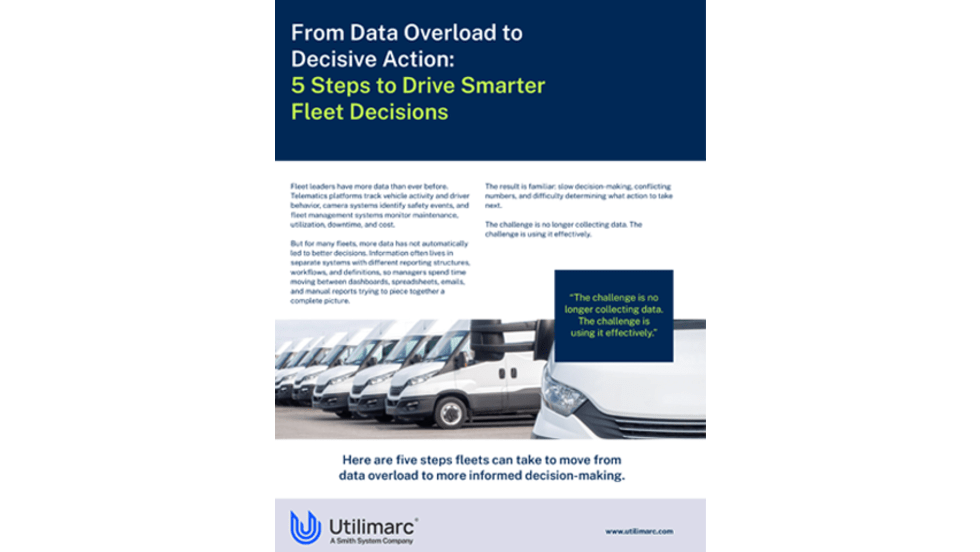
Turn Fleet Data Into Smarter Decisions
Fleet leaders have access to more operational data than ever, but disconnected systems and unclear metrics often slow decision-making instead of improving it. This article outlines five practical steps fleets can take to transform fragmented data into actionable insights that improve planning, safety, utilization, and long-term performance.
Read More →
Hybrids: Electrification Without the Challenges
For fleet managers, fuel is one of the biggest line items in the budget — and it's one hybrids can shrink without changing how your people work. Download the eBook to see the numbers, understand the technology, and get a step-by-step guide to making the switch.
Read More →
How NOV Uses Telematics to Improve Fleet Safety Across 160 Locations
James Victory of NOV discusses how the company manages fleet safety, maintenance, and telematics across more than 150 locations supporting oilfield operations throughout the U.S.
Read More →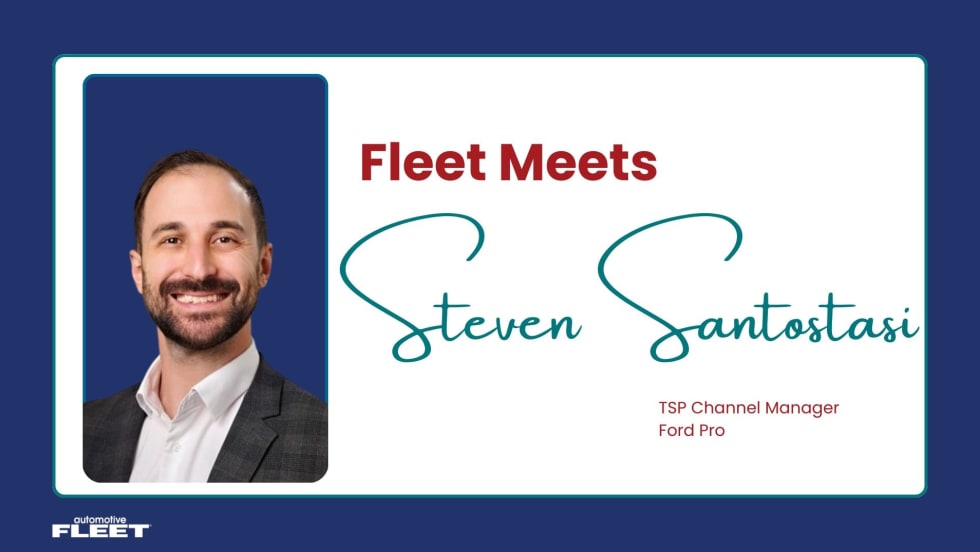
Fleet Meets: Steven Santostasi
This edition of the Fleet Meets series features Steven Santostasi, the current TSP channel manager for Ford Pro.
Read More →
Why Fleet Managers Are Replacing Departmental Vehicles with Shared Motor Pools
Departmentally assigned vehicles often create hidden costs through underutilization, poor visibility, and increased administrative burden. This white paper explores how shared motor pool strategies help fleets reduce costs, improve accountability, and optimize vehicle utilization.
Read More →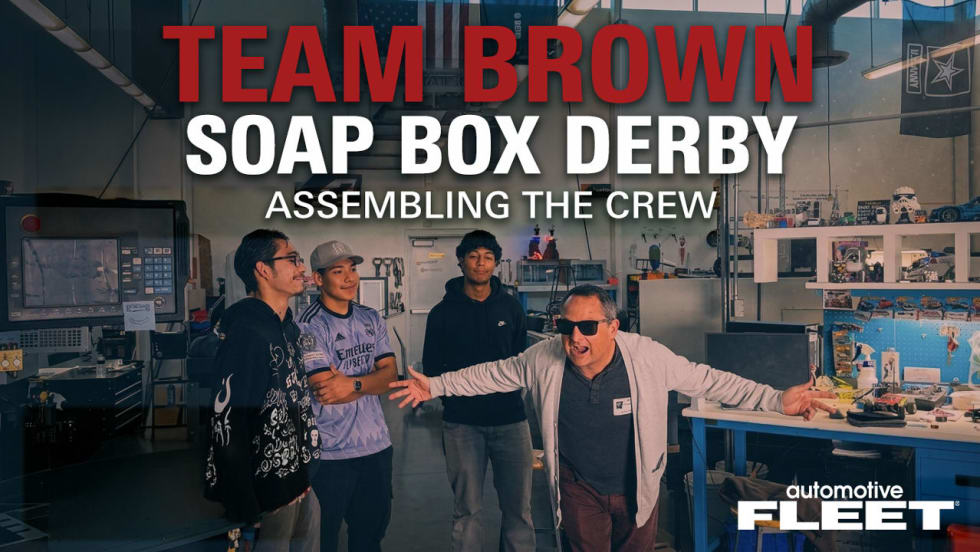
Soap Box Derby Challenge: Assembling the Crew
Meet Gabriel, Matthew, and Angel — the team helping bring this soap box derby build to life.
Read More →